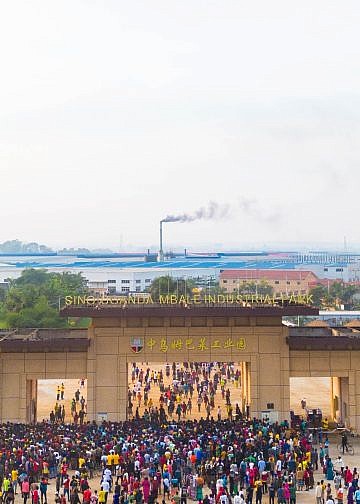
























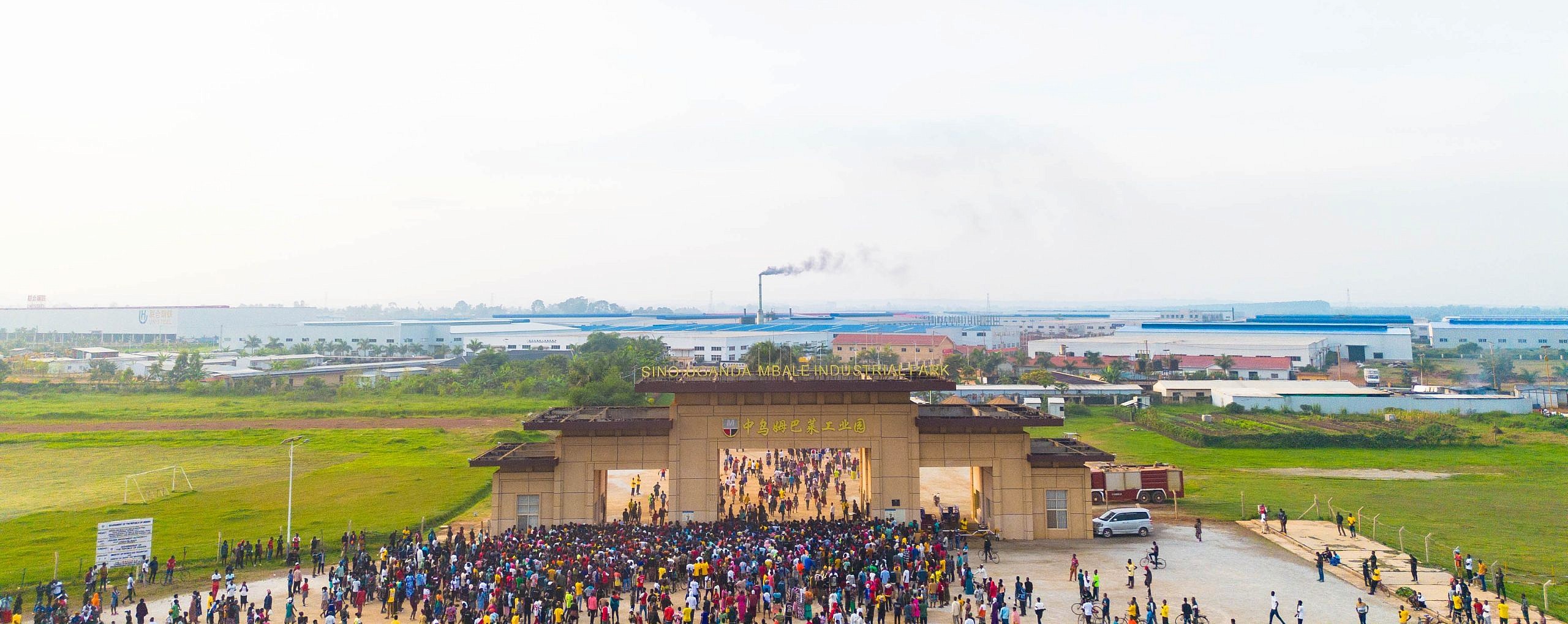
As Uganda joins the rest of the world in marking Labour Day, industrial parks have been highlighted as key drivers of employment for both skilled and unskilled workers across the country, with Sino Mbale Industrial Park emerging as one of the largest contributors in eastern Uganda.
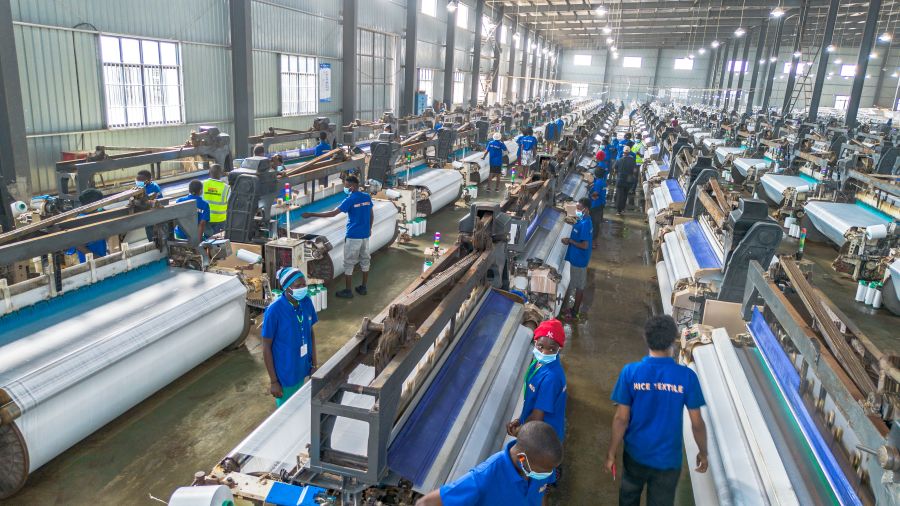
Located in Mbale City and covering 2.51 square kilometres, the industrial park hosts 82 factories and employs an estimated 13,500 workers, according to management. Officials say the park has significantly contributed to job creation, skills development, and economic growth in the region.
Many workers interviewed at different factories described how employment at the park has transformed their livelihoods, moving them from informal survival to stable income earners.
“Before getting this job, I was in the village. My friends told me I only needed a national ID to apply. I now work as a sewing machine operator and I am able to feed my family and pay school fees for my children,” said Adong Mary, an employee at Grace Textiles from Katakwi District.
She encouraged unemployed Ugandans to apply for opportunities at the park, noting that willingness to learn was key.
At Tianao Furniture, Abdullah Muswale said his daily income had improved significantly since joining the industrial park.
“My income has grown from Shs 6,000 per day to Shs 15,000, plus bonuses. I have been able to buy animals and support my household needs,” he said.
Similarly, Nabong Yasin of Grace Textiles said his earnings had improved since joining the factory in 2025, urging more young people to seek employment at the park.
Workers also pointed to skills development as one of the key benefits of industrial employment.
Brenda Nagutti, an electrician at CHINT and a graduate of electrical engineering, said she had gained technical and digital skills through her work experience.
“We are provided with protective gear and trained in computer skills. Personally, I now understand how to use a computer and I am more confident in my technical abilities,” she said, encouraging young women to embrace industrial jobs.
Sino Mbale Industrial Park Public Relations Officer Kennedy Mushemeza said the factories in the park support thousands of direct and indirect jobs.
“One of our companies, Timber Paper Industries, produces printing paper, toilet paper and napkins using raw materials such as eucalyptus and sugarcane husks that were previously wasted,” he said.
Mbale City Resident City Commissioner George Wapuwa said the industrial park has changed the economic outlook of the region and strengthened Uganda–China cooperation.
“What used to be a swamp is now a major industrial hub creating jobs and generating revenue for government,” he said, adding that labour officers and community structures were in place to handle worker concerns.
He urged workers to remain disciplined and use their earnings to invest in income-generating activities outside employment.
Mbale City Mayor-elect Joyce Kidulu said local authorities were focusing on skilling young people to meet labour market demands through partnerships with employers.
“We are engaging employers to identify skills gaps so that training can match industry needs,” she said.
Sino Mbale Industrial Park Administrator Laurant Zhang said the park currently has 62 operational factories and plans to expand to 100 in the coming years.
He noted that while the park has created thousands of jobs, language barriers between Chinese employers and Ugandan workers remain a challenge, which management is working to address.
“We are working on solutions to improve communication between workers and employers,” Zhang said.