








For many aspiring filmmakers, the ultimate goal is not just to create films, but to build sustainable careers through the art form they love.
To achieve that dream, filmmakers need training that equips them with industry-relevant skills of the highest standard. For the MultiChoice Talent Factory (MTF), this understanding is central to all its programmes. Graduates from the academy leave with the practical expertise and professional discipline required to thrive in the television and film industry.
As a MultiChoice initiative, MTF operates three academies in Lusaka, Nairobi, and Lagos, providing specialised training tailored to the evolving needs of Africa’s leading content producer.
MultiChoice, a Canal+ company, remains the continent’s largest producer of authentic African storytelling. In 2025 alone, the company produced 5,340 hours of original local content.
MTF students are trained to meet these exacting industry standards, positioning them strongly for success after graduation.
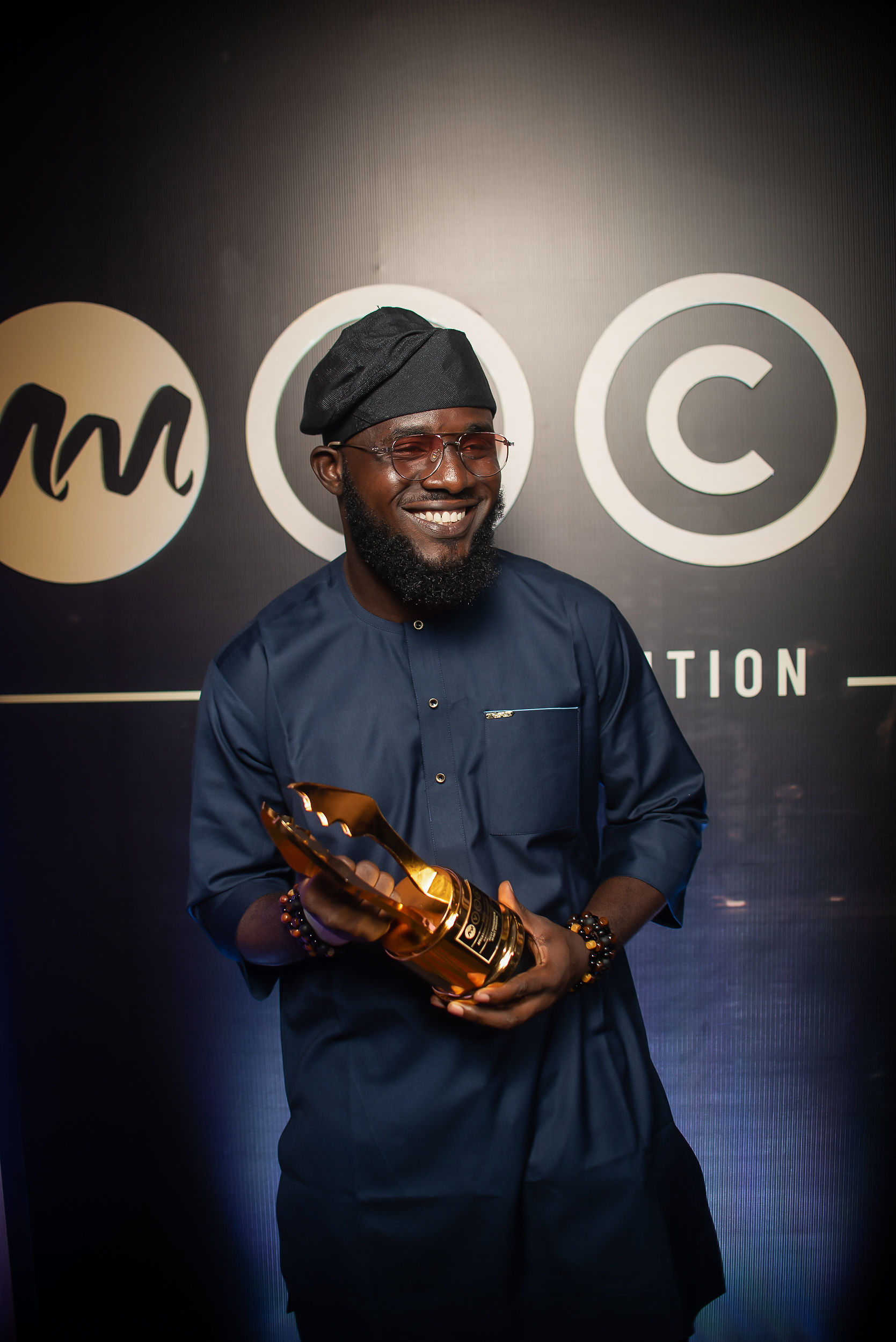
Actor, producer, writer, and storyteller Myde Glover, a graduate of the MTF West Africa Academy, has since gone on to host film festivals and win Africa Magic Viewers’ Choice Awards (AMVCAs).
He credits much of his success to the storytelling techniques and technical standards he acquired during his time at MTF.
“The storytelling skills I gained at MTF helped me become a better actor, producer, and director. It taught me to always put the story first,” Glover says.
“However, I was also trained in the technical and delivery requirements needed for submitting projects to platforms like DStv, GOtv, and Showmax. I approach every project with those standards in mind because quality matters in every aspect of production.”
Glover says aspiring filmmakers should prioritise teamwork, remain open to constructive criticism, and stay focused on their long-term goals.
“Strong collaboration improves the quality of any production, feedback helps you grow creatively, and focus ensures you complete projects without losing sight of why you started,” he adds.
Beyond technical training, MTF provides graduates with professional networks that often last a lifetime. Alumni regularly collaborate and hire one another as they progress through their careers, creating a self-sustaining ecosystem of African creatives.
For Democratic Republic of Congo filmmaker Bahati Kajigi Benjamin, MTF provided the network and platform needed to tell meaningful stories.
“My experience with MTF was incredible,” Benjamin says. “I formed a family with my fellow students, and we bonded deeply. We collaborated on numerous films and even wrote one that was particularly meaningful to me because it reflected the struggles of my people.”
That production later became The Canvas, a Zee World project.
Benjamin currently works as a camera operator and editor at Sauti Media Hub in Uganda, where he contributes to Kampala Creme, one of East Africa’s leading reality television shows. He says he secured the opportunity through a recommendation from a fellow MTF alumnus.
He credits MTF with sharpening his expertise in cinematography and colour grading.
“I gained extensive knowledge in camera techniques, lighting, and colour harmony in film, all of which I now apply in my role on Kampala Creme,” he says.
Benjamin also believes in paying opportunities forward. Recently, he shared his cinematography expertise through a three-month online platform called Film Chat, aimed at empowering emerging African creatives.
His advice to young filmmakers is to never underestimate the importance of self-marketing and understanding filmmaking as a business.
“Funders want to understand more than just the script or story,” he explains. “You should also discuss the financial aspects and the impact the film will create. That is what appeals to investors because, ultimately, filmmaking is an investment expecting a return.”
MTF West Africa graduate Allen Onyige describes his time at the academy as “transformative.”
After leaving university and working in live broadcasting, Onyige pursued his passion for storytelling and human behaviour through MTF.
“MTF refined my creative vision, strengthened my technical skills, and played a pivotal role in shaping my journey as a filmmaker,” he says. “The experience changed my life and set me on the path toward meaningful visual storytelling.”
He says understanding the business side of broadcasting proved just as important as mastering the creative aspects of filmmaking.
Following his graduation, Onyige’s production company was commissioned by Africa Magic to produce several television series and feature films, including Ikenna’s Trial, Sikiru, Elenini, Kadara, and Dear Future Me.
In 2024, Onyige won the AMVCA award for Best Indigenous Language Series for Irora Iya. He also served as director of photography on Grind, now streaming on Amazon Prime.
His documentary Sunset in Makoko received an AMVCA nomination for Best Documentary, while he also worked as a cinematographer on the Emmy Award-winning documentary Mothers of Chibok.
Onyige encourages young creatives pursuing careers in film and television to first learn both the craft and business of filmmaking while mastering at least one specialised skill.
Secondly, he advises aspiring filmmakers to embrace teamwork and uphold high professional standards.
“Be a man or woman of excellence,” he says. “Integrity will get you jobs that talent alone may not be able to secure.”