










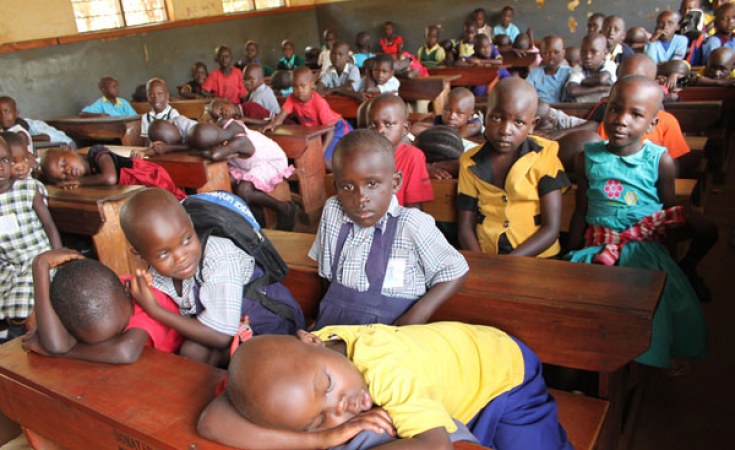
A new National School Feeding Baseline Survey has revealed that 63% of pupils in Uganda’s government-aided Universal Primary Education (UPE) schools spend the entire school day without eating, exposing stark inequalities in access to school meals.
The findings were released by the Ministry of Education and Sports at Four Points by Sheraton Kampala during a workshop organised by World Food Programme (WFP) Uganda and World Vision Uganda.
The report shows that children in UPE schools are disproportionately affected by hunger compared to the national average, where 30% of primary school learners go through the school day without any food.
According to the survey, only 46% of learners nationwide receive meals prepared at school, while 14% bring food from home, 7% return home for lunch, and 3% purchase snacks within school premises. However, three in every 10 learners do not access any food during the school day.
The survey also highlights significant regional disparities in school feeding. Karamoja recorded the highest coverage, with 98% of learners accessing school meals, followed by Kampala (92%) and Buganda North (86%).
At the other end of the scale, West Nile (17%), Ankole (18%), Toro (20%), Acholi (21%), and Lango (22%) recorded the lowest levels of access to school meals.
The regions where children are most likely to spend the entire school day hungry include Ankole (77%), Elgon (76%), Lango (64%), and West Nile (61%), underscoring persistent inequalities in child welfare and school support systems.
Beyond access, the report raises concerns about the nutritional quality of meals served in schools. Most schools (85%) provide maize-based meals such as porridge or posho with beans, while only 7% include vegetables, 1% serve rice, and very few offer animal-source foods.
Only 28% of schools provide meals containing at least five food groups, indicating that the majority of learners are not receiving balanced diets essential for healthy growth, cognitive development and concentration.
The survey further reveals that school feeding remains overwhelmingly financed by households, with 96% of schools relying on parental contributions to provide meals.
In contrast, external support plays a much larger role in Karamoja, where 89% of schools receive assistance from development partners and non-governmental organisations.
The report also points to weak linkages between school feeding and local agriculture. It found that 86% of schools procure food from private businesses, while only 20% source food from smallholder farmers, limiting opportunities to strengthen local food systems and rural livelihoods.
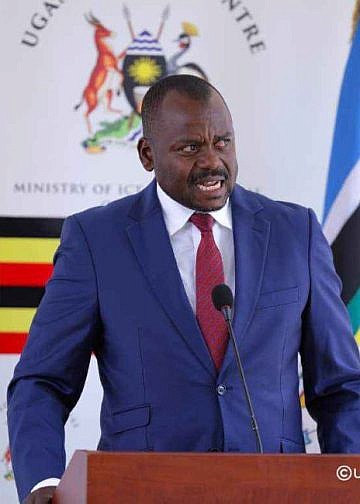
Speaking at the launch, Frances Atima, Head of the Directorate of Education Standards at the Ministry of Education and Sports, said the findings provide a clear picture of the challenges that require urgent attention.
“The findings give us a clear picture of what is happening on the ground and what we need to do better,” Atima said.
She noted that school feeding is increasingly being viewed as a national development issue rather than solely a household responsibility.
“The agenda has moved from being the responsibility of households to a national discussion on systems, financing and local food economies,” she added.
Marcus Prior, Acting Country Director of WFP Uganda, said the survey highlights both progress and persistent inequalities in access to school meals.
“Three in every 10 students still spend the whole day at school without having anything to eat,” he said.
Prior emphasized that school feeding should be regarded as a long-term investment in education, nutrition and economic development.
“Every school meal has the potential to improve attendance, concentration and learning, while creating predictable markets for farmers and stimulating rural economies,” he said.
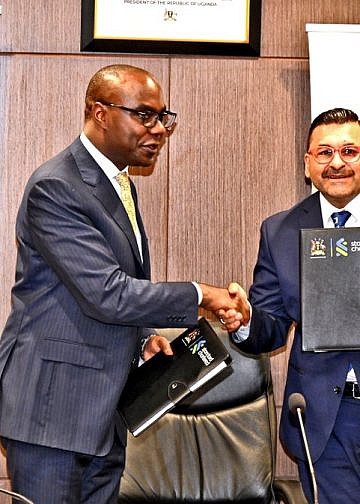
Edward Khaukha, Programmes Director at World Vision Uganda, said the findings reinforce the urgency of finalising and implementing the National School Feeding Policy.
“When only 46% of our children are able to have a meal at school, it is a major challenge for our country,” he said.
Khaukha said Uganda should aim for universal access to school meals.
“We are looking at how to ensure that at least 90% to 100% of children receive a hot meal at school,” he said.
He warned that hunger continues to undermine education outcomes.
“Thirty percent of children have no access to a meal at school. That means their enrolment, attendance, academic performance and overall learning outcomes are affected,” he added.
The report recommends increased investment in school feeding programmes, improved dietary diversity, stronger links with local farmers, and the establishment of a coordinated national school feeding system as Uganda moves towards implementing a comprehensive National School Feeding Policy.