








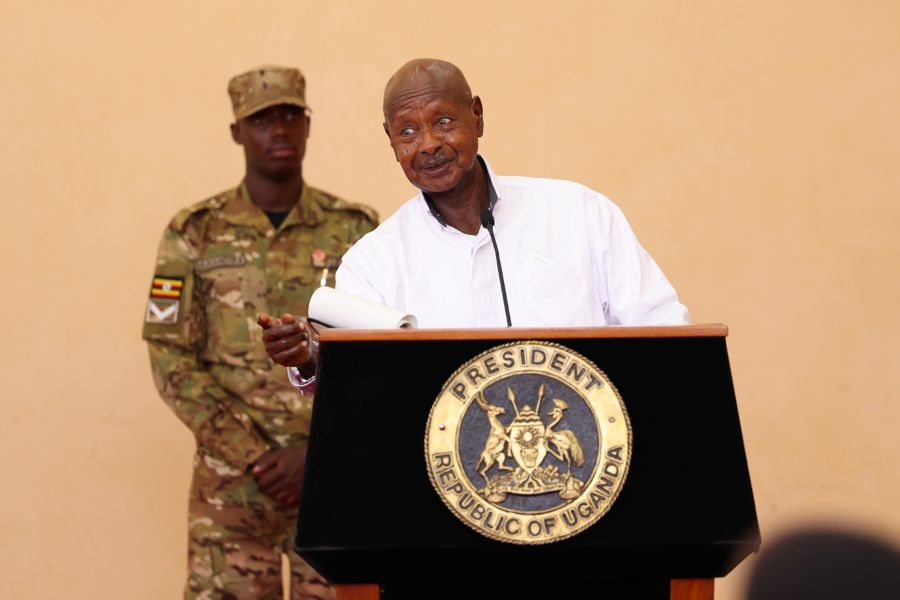
President Museveni has urged Ugandans to intensify efforts towards wealth creation and economic transformation, saying the country must address persistent challenges, including household poverty, transport congestion, drought and fuel price shocks.
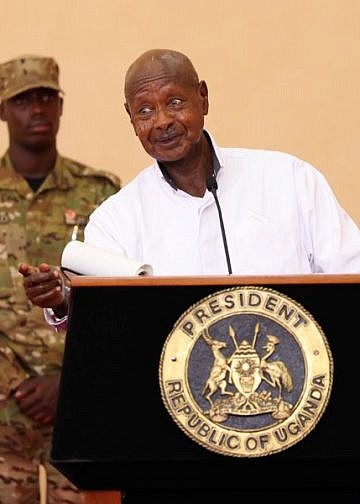
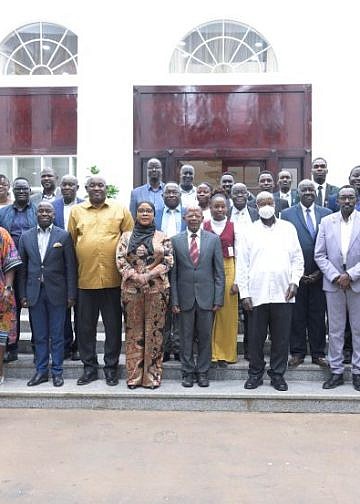
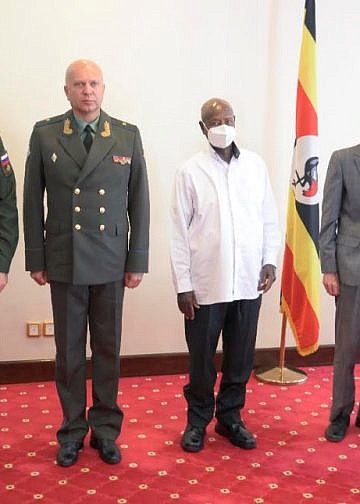
Museveni made the call during celebrations to mark Uganda’s 64th Independence Anniversary at State House Entebbe, where he reflected on the country’s economic progress since the National Resistance Movement (NRM) came to power in 1986.
Addressing Ugandans, particularly young people whom he affectionately referred to as Bazukulu, Museveni said the country had progressed from recovering from years of conflict and economic decline to expanding and diversifying its economy.
“Since 1986, we have worked to overcome the wasted years of conflict and economic decline, moving from recovery to expansion and diversification, and now to knowledge-based production, including electric vehicles and pharmaceuticals,” Museveni said.
However, the President cautioned that Uganda’s economic transformation remained incomplete, urging citizens to work harder to consolidate the progress made over the years.
“Our task is not yet complete,” he said, identifying transport infrastructure, household poverty, value addition, irrigation and fuel distribution as key areas requiring greater attention.
On transport infrastructure, Museveni called for increased investment in railway networks, pipelines and lake transport to ease congestion and reduce the movement of heavy cargo on roads.
He said strengthening alternative transport systems would help address the challenges associated with Uganda’s heavy reliance on road transport while improving the efficiency of moving goods across the country.
The President also emphasised the need to bring more households into the money economy through government programmes, including the Parish Development Model (PDM), which aims to support households in transitioning from subsistence production to commercial economic activities.
He urged Ugandans to embrace wealth creation initiatives as a means of improving household incomes and livelihoods.
On production, Museveni called for increased value addition to agricultural products and minerals, saying Uganda needed to move beyond exporting raw materials and strengthen its domestic processing capacity.
He said expanding value addition would support economic diversification and increase the benefits the country derives from its natural and agricultural resources.
The President further identified drought as a major challenge requiring expanded irrigation and greater investment in systems that support agricultural production despite changing weather conditions.
He urged stakeholders to strengthen irrigation efforts to reduce dependence on rainfall and improve the reliability of agricultural output.
Museveni also highlighted the impact of fuel price shocks, calling for stronger domestic fuel distribution systems and increased exports as part of broader efforts to strengthen Uganda’s economic resilience.
He urged political, religious and cultural leaders to support government initiatives aimed at improving household incomes and promoting sustainable livelihoods.
“I urge our political, religious and cultural leaders to join the effort to ensure that every household creates wealth and improves its livelihood,” he said.
Despite acknowledging the progress made since 1986, Museveni maintained that sustained effort was necessary to address the remaining challenges and secure the country’s economic future.
“Yes, we have made progress, but we must work harder to secure Uganda’s economic transformation,” he said.