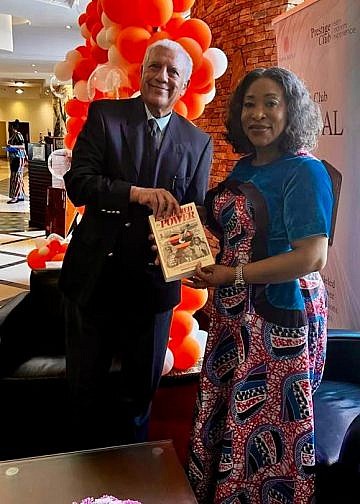











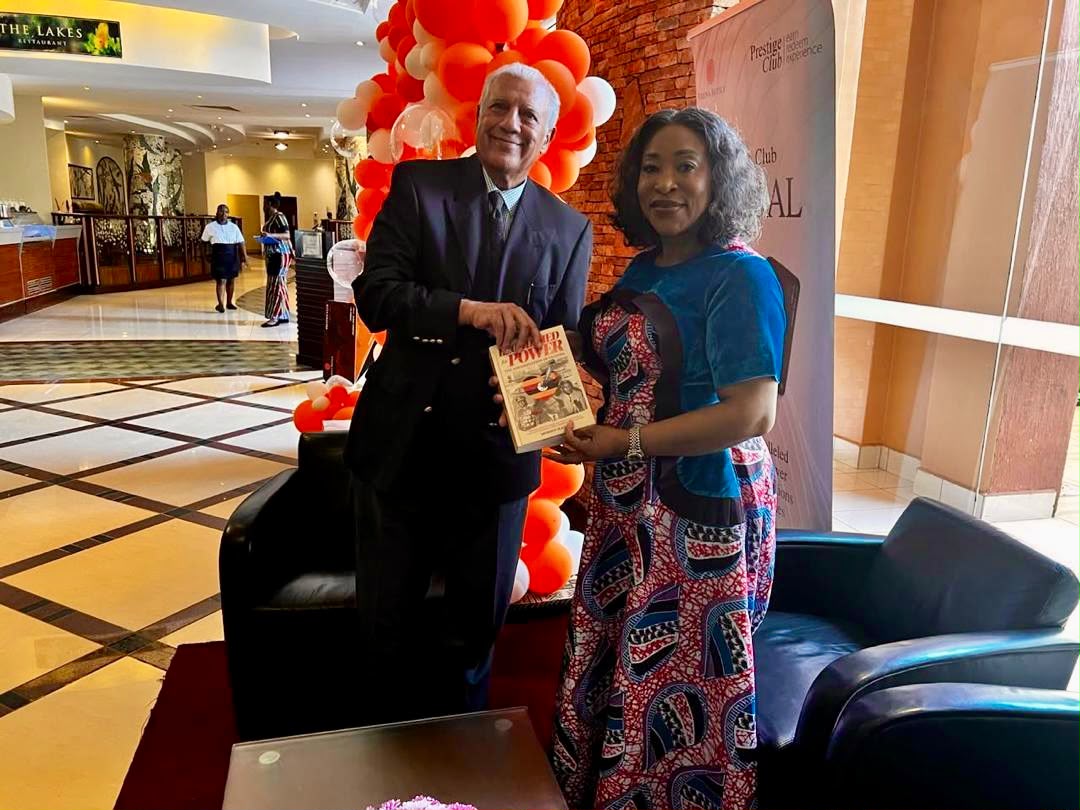
A survivor’s account of detention, killings and the recovery of a murdered police chief’s body emerged as one of the most moving moments at the launch of Bloodshed for Power: The Assassination of Uganda, a book by Mohsin Hassan examining a turbulent chapter in the country’s history.
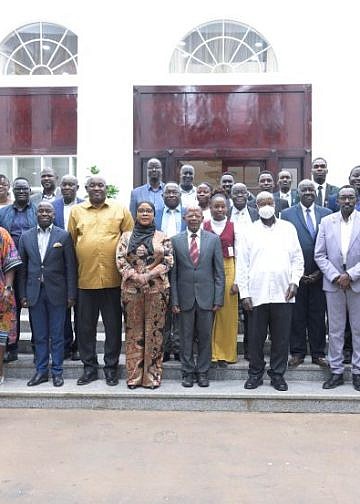
The book was launched on Tuesday, October 6, at Four Points by Sheraton Kampala, bringing together invited dignitaries, friends and well-wishers to reflect on political violence during Idi Amin’s regime.
Prof. Charles Kwesiga, who was detained at Mutukula alongside the author’s father, Mohamed Hassan, recounted experiences that offered guests a personal account of the events explored in the book.
Kwesiga described how he and fellow detainees were ordered to bury the former head of the Criminal Investigation Department (CID) and later exhume his body for transportation to Kampala.
His testimony brought an eyewitness perspective to the book’s account of imprisonment, executions and the fate of Mohamed Hassan, who served as head of the CID before his death during Amin’s rule.
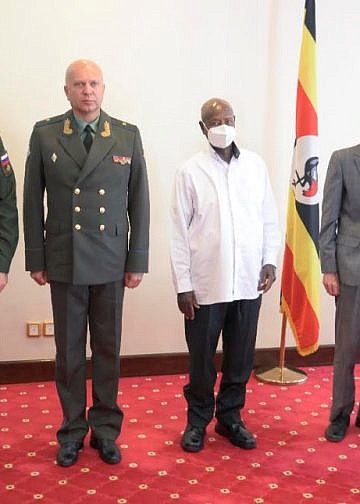
Retired Gen. Ivan Koreta attended the launch as chief guest, while Gen. Katumba Wamala, Minister of Public Service, delivered the closing remarks.
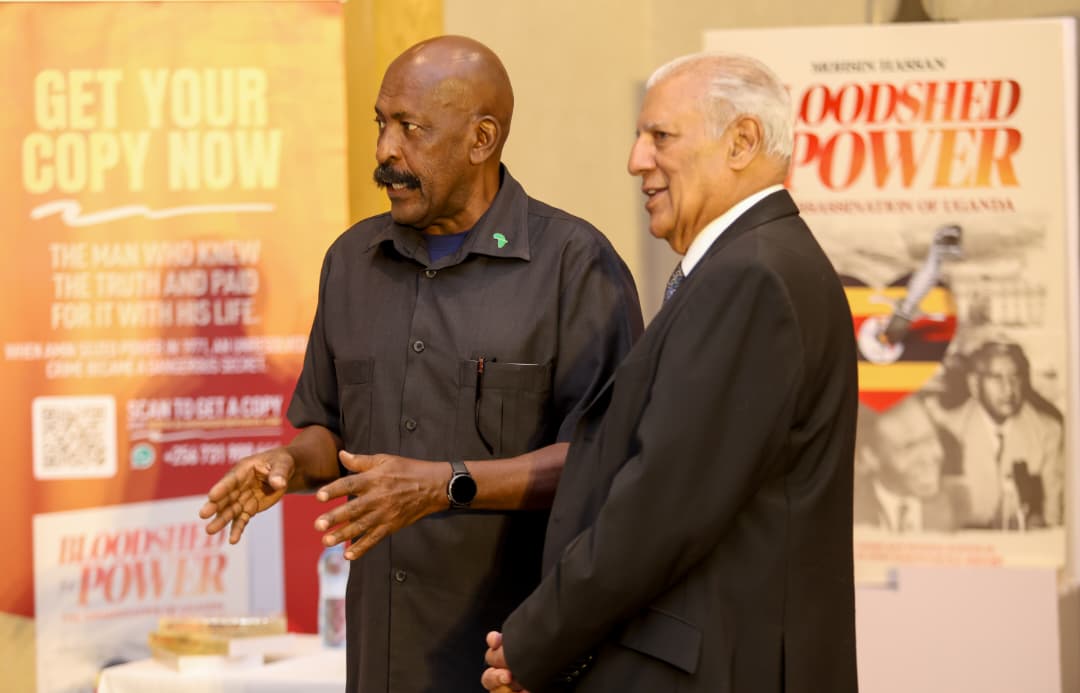
For Mohsin Hassan, the event marked the public sharing of a family history he said he had carried for decades, as well as an opportunity to encourage Ugandans to examine the human cost of political violence.
“Ladies and gentlemen, I have spent many years silently carrying the story of my father. Tonight, I am placing that story in your hands — and with it, something larger: a piece of Uganda’s history,” Hassan said.
Book revisits a turbulent chapter in Uganda’s history
Bloodshed for Power traces Mohamed Hassan’s career in the Uganda Police Force, his rise to head the CID, and the events surrounding his imprisonment and killing under Amin’s regime.
The book situates his story within the political tensions and institutional breakdown that characterised Uganda’s early post-independence years.
A central part of the narrative examines Mohamed Hassan’s investigation into the murders of Brigadier Pierino Okoya and his wife, Anna. During his address, the author described the investigation as a significant episode in the political developments preceding Amin’s consolidation of power.
Hassan also emphasised the importance of distinguishing evidence collected during an investigation from allegations established in court.
“My father did not set out to change Uganda’s history. He was a policeman investigating a double murder and simply following the evidence, wherever it led,” he said.
Kwesiga’s testimony provided a direct personal connection to the historical events discussed in the book.
He recalled being arrested in February 1971, detained at Luzira Prison and later transferred to Mutukula, where prisoners lived under the constant threat of execution.
“We started to do manual labor. Clearing the bushes, digging trenches and ditches,” Kwesiga said. “I would later learn that we were digging our own graves!”
He also recounted being forced to bury fellow detainees and later retrieve Mohamed Hassan’s body from a mass grave.
His account underscored the importance of preserving eyewitness testimony, particularly as survivors of Uganda’s periods of political violence grow older and the opportunity to document their experiences diminishes.
Author calls for preservation of historical evidence
Hassan said the book draws on historical records, police and court documents, personal papers, recollections and eyewitness testimony. He added that sources had been cross-referenced wherever possible in an effort to examine the evidence and preserve the historical record for future generations.
“The consequences of political violence do not end when the brutality stops. They pass from one generation to the next,” he said.
In his closing remarks, Gen. Katumba Wamala thanked Hassan for documenting the story and Kwesiga for sharing his experiences.
He described the book as a work of history and encouraged young Ugandans to read it to gain a deeper understanding of the country’s past.
The launch also attracted attention on social media. According to the organisers, the event trended on X, with posts shared under the hashtags #BloodShedForPower and #BookLaunch.
Hassan urged readers to approach the book critically, engage with its evidence and discuss its interpretation of Uganda’s history.
“I hope you will read this book with an open mind. I hope you will question it, discuss it with others, and where necessary, challenge it. History should not be afraid of questions — indeed, it becomes stronger when questions are asked,” he said.