








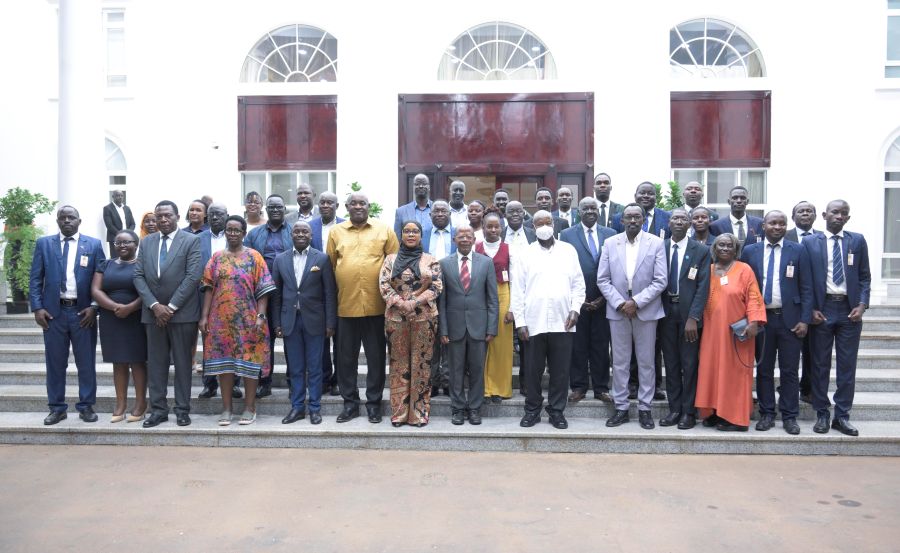
President Museveni has pledged Shs125 billion to the Uganda Medical Association (UMA) Savings and Credit Cooperative Organisation (SACCO) to help health workers access affordable credit, pursue further training and establish businesses.
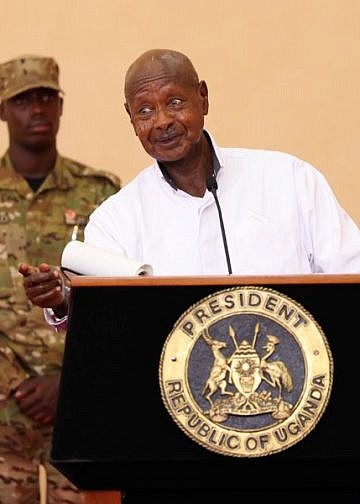
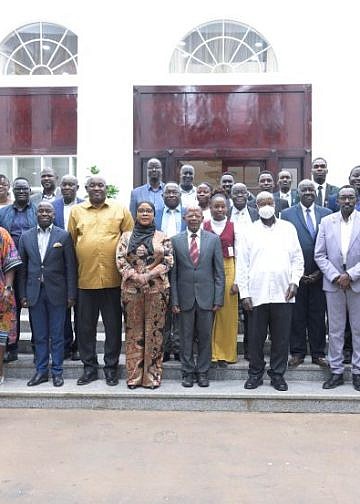
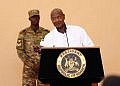
The President made the commitment , while meeting medical interns and leaders of the Uganda Medical Association, led by its president, Dr Frank Asiimwe, at State House Entebbe.
Museveni described the proposed fund as a worthwhile, one-time intervention that would enable doctors and other health workers to borrow money to finance professional development and create employment opportunities.
He said the fund would also support doctors seeking further specialisation through private institutions, while the government continued investing in priority medical specialisation programmes.
Regarding the proposed Shs125 billion fund, Museveni said he would support the initiative because it was not a recurrent government expenditure but a one-time investment.
The President also criticised the policy linking graduation from medical school to the completion of internship, saying the two processes should be treated separately.
He said the Ministry of Education and Sports had erred by requiring medical graduates to complete their internship before graduating, adding that the policy would be corrected.
On the long-standing dispute over medical interns’ allowances, Museveni said the government would pay Shs2 million in allowances this year while discussions on the broader question of intern remuneration continued.
He questioned why families or institutions that had sponsored students throughout their medical education would withdraw financial support during the one-year internship period. However, he said the matter remained open for further discussion, taking into account the welfare of interns and the government’s financial capacity.
The issue has been a source of disagreement between medical interns and the government for several years. In 2021, Museveni announced a monthly allowance of Shs2.5 million for medical interns, but the government later reduced the amount to Shs1 million, citing financial constraints.
The proposed arrangement requiring private sponsors to continue supporting medical students during internship also attracted opposition from interns, who staged strikes that disrupted services in several regional referral hospitals.
Museveni said government interventions must be guided by affordability and sustainability, stressing that public commitments should reflect the resources available.
He cited previous challenges in university admissions to illustrate the need to expand educational opportunities through private sponsorship where public institutions lack sufficient capacity.
The President also expressed support for tax exemptions for health workers and proposed a duty-free arrangement for essential items used in delivering health services.
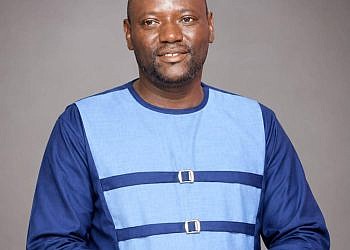
Dr Asiimwe thanked Museveni for the proposed financial support and for providing medical interns with an opportunity to present their concerns directly to him.
He revealed that the Shs1 billion extended to the UMA SACCO by the President in 2017 had grown to Shs13 billion, which he said demonstrated the initiative’s potential to improve access to financial services for health workers.
Asiimwe emphasised the importance of public-private partnerships in medical training, deployment, promotion, accountability, monitoring, quality control and data sharing. He also called for recognition of doctors working in both public and private health facilities.
He said UMA was working with the Ministry of Health to address absenteeism among health workers and requested that the President hold two face-to-face meetings with the association annually to review priorities in the health sector.
On interns’ welfare, Asiimwe said approximately 300 medical interns had not received their allowances. He noted that interns report for duty in August and provide round-the-clock services despite being classified as students.
He also proposed the introduction of three additional professional career grades—Chief Consultant, Principal Consultant and Senior Consultant—to strengthen career progression for doctors below the Director General level.
Other proposals included raising staffing levels in referral hospitals to 75 per cent by the next general election, establishing a retirement package for health workers comparable to those provided to security personnel, and creating regional medical hubs with capacities of between 50 and 100 beds for mentorship and practical training.
The Minister of Health, Dr Chris Baryomunsi, thanked the President for his continued commitment to improving Uganda’s health sector.
Baryomunsi said government policies and programmes, including universal education, had contributed to expanding the number of universities training doctors from one to 13.
He also cited immunisation programmes and interventions against HIV as contributors to improvements in life expectancy and reductions in infant and maternal mortality.
The Permanent Secretary in the Ministry of Health, Dr Diana Atwiine, said the ministry regularly consulted stakeholders but had to prioritise activities according to its allocated budget.
She explained that funds were sent to institutions training medical interns once the ministry received the money, adding that consultations on outstanding concerns were ongoing.
Atwiine said the ministry was preparing a paper for submission to Cabinet for consideration, including matters relating to the disbursement of intern allowances.
At the end of the meeting, medical interns welcomed the President’s commitment to address their concerns and pledged continued cooperation with the Ministry of Health and other stakeholders to improve healthcare delivery in Uganda.