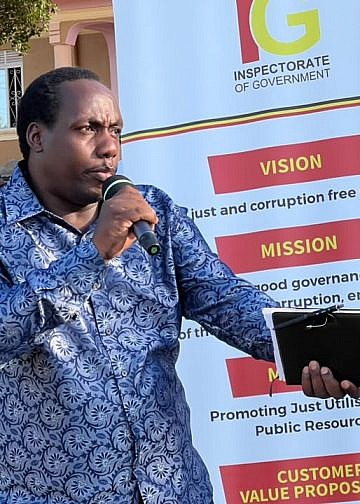







Uganda Media Centre Executive Director, Alan Kasujja has challenged Members of Parliament to adopt disciplined, strategic communication or risk losing control of their public image in an increasingly complex media landscape.
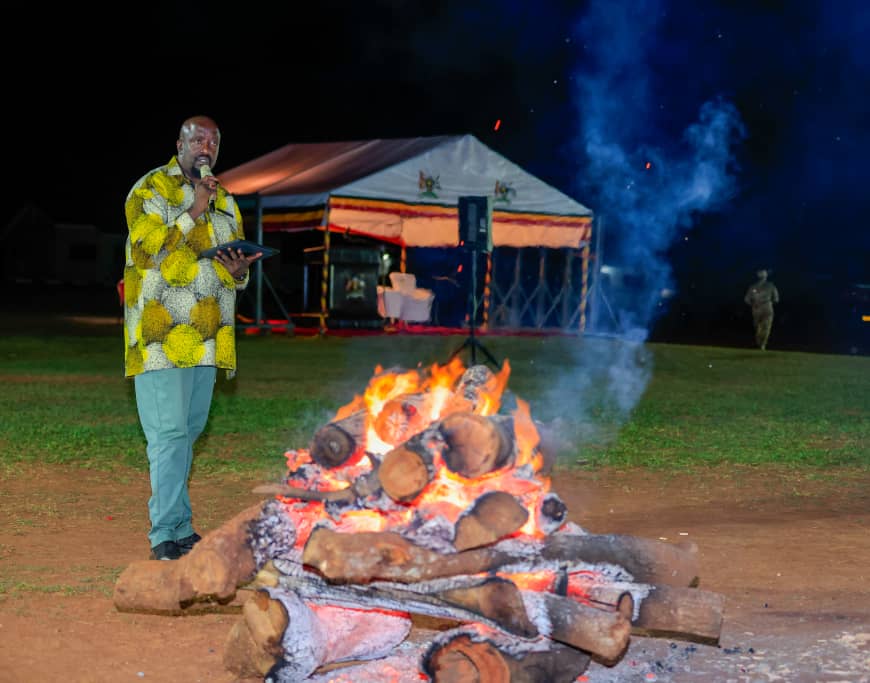
Addressing the NRM Parliamentary Caucus retreat on Monday, Kasujja outlined a bold vision for government messaging anchored on a unified approach he described as “One Uganda, One Voice.”
He warned legislators that in today’s fast-moving media environment, failure to define their own message allows others—especially the media—to define it for them.
“If you don’t define your message, the media will define it for you,” Kasujja said.
Kasujja painted a picture of a rapidly evolving media ecosystem where traditional platforms like radio still dominate, reaching up to 70 percent of the population, while digital platforms are expanding quickly—particularly among Uganda’s youthful population.
He noted that with over 78 percent of Ugandans under 35 and millions accessing content via mobile phones, political leaders must rethink how they communicate, blending traditional outreach with digital engagement.
However, he cautioned that the landscape is fragmented, competitive, and increasingly vulnerable to misinformation, including AI-generated political content.
In a candid tone, Kasujja criticized reactive and unprepared media engagement by some politicians, warning that careless remarks—whether on camera or online—can have lasting consequences.
He urged MPs to always prepare key messages before speaking, avoid emotional reactions, and treat every interaction as public.
“Most political damage comes from unguarded reactions,” he said, advising leaders to pause and verify facts before commenting on sensitive issues.
Kasujja also discouraged the growing trend of politicians seeking viral moments, emphasizing that credibility—not theatrics—builds long-term trust.
“What excites today may harm your reputation tomorrow,” he warned.
While acknowledging the power of platforms like TikTok, WhatsApp, and YouTube in reaching younger audiences, Kasujja stressed that social media must be treated with the same caution as traditional media.
He warned against impulsive posting, particularly during late hours or emotional moments, noting that online content forms a permanent public record.
Kasujja further urged MPs to build constructive relationships with journalists, warning that hostility toward the press often results in negative coverage.
He encouraged leaders to remain calm under pressure, steer conversations effectively during interviews, and avoid commenting on matters outside their expertise.
Beyond individual conduct, Kasujja linked effective communication to Uganda’s broader development agenda, including the government’s ambition to grow the economy tenfold to $500 billion by 2040.
He emphasized that achieving such targets will require stronger, more coordinated messaging across all government institutions.
Kasujja urged MPs to speak not just as individuals, but as representatives of national institutions, stressing the importance of consistency, accountability, and clarity.
“Your words carry institutional weight,” he said.
He urged leaders to align their messaging across platforms and remain committed to truth and transparency, especially in an era of misinformation and fragmented audiences.
The address positioned strategic communication as a central pillar of political leadership, with Kasujja making it clear that in today’s Uganda, how leaders communicate is just as important as what they deliver.