










As Uganda moves closer to its first oil production, the East African Crude Oil Pipeline (EACOP) is stepping up efforts to restore land and protect ecosystems affected by the construction of the 1,443-kilometre pipeline.
EACOP is now more than 90% complete, with the project expected to be ready to transport crude oil before the end of the year.
While the pipeline is being built to unlock Uganda’s petroleum resources, the company says restoring areas disturbed by construction is a key part of the project.
EACOP’s environmental management plans provide for erosion control, revegetation, reseeding and bio-restoration of affected areas.
The plans also include the restoration of watercourses, wetlands and temporary work sites.
The company says its restoration work does not stop at returning excavated soil to the ground. It includes permanent erosion and scour control, stabilisation of watercourse banks and monitoring vegetation recovery until restoration targets are achieved.
Tree replacement is also part of the programme. EACOP says trees removed during construction are recorded by species and size, with replacement guided by conservation value and the suitability of the species to the local environment.
Beyond the pipeline corridor, EACOP is supporting conservation activities in other environmentally important areas.
Through partnerships with the National Forestry Authority, the company is supporting the restoration of remaining natural habitat in Taala Forest Reserve while working with communities around the reserve.
The Rwizi River watershed and its associated wetlands have also been identified for biodiversity offsetting aimed at strengthening the wetland ecosystem and supporting important species such as the grey crowned crane.
EACOP Deputy Managing Director John Bosco Habumugisha said environmental conservation is part of the company’s sustainability agenda.
“EACOP remains committed to contributing to environmental conservation and uplifting communities through targeted initiatives that align with the SDGs,” Habumugisha said during the 2024 Sustainable Development Goals Run.
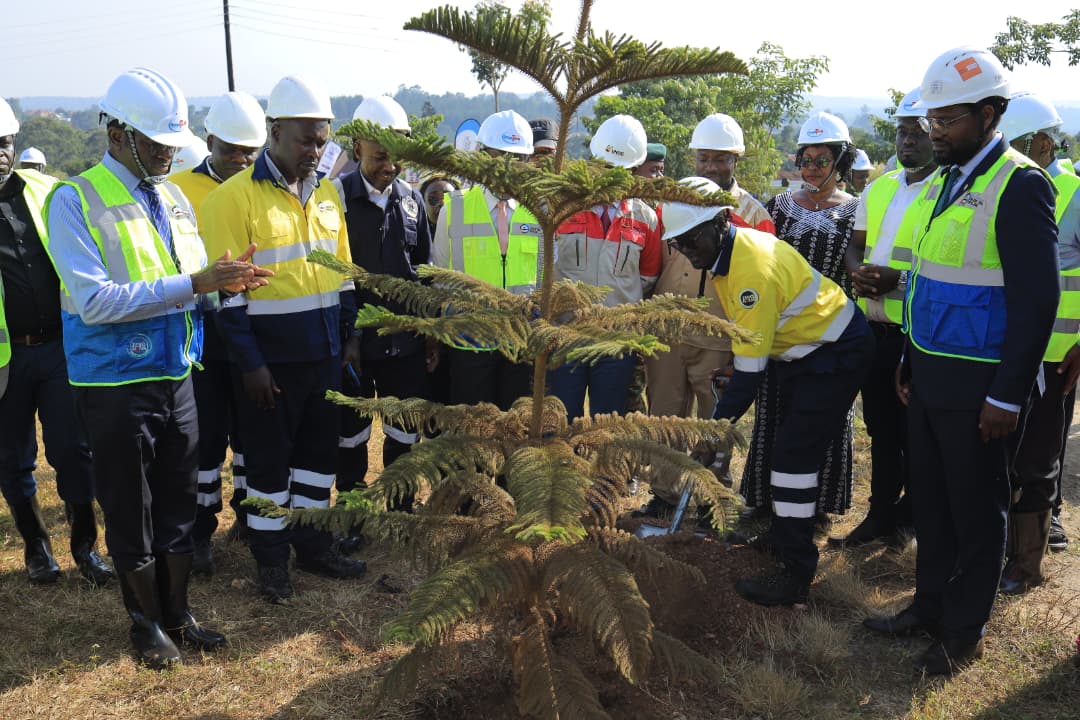
EACOP says it has so far planted more than 130,000 trees and has pledged to plant indigenous trees along the pipeline route.
The company is also working with the Ministry of Water and Environment under the Running Out of Trees (ROOTS) campaign, which targets planting 200 million trees over five years.
The environmental restoration efforts come as Uganda prepares for a new phase of oil production and wider infrastructure development.
With roads, energy projects, industrial parks and other investments increasingly interacting with forests, wetlands, rivers and agricultural land, environmental restoration is becoming an important part of responsible infrastructure development.
For EACOP, the focus is now not only on completing the pipeline and enabling Uganda to begin producing oil, but also on ensuring that areas affected by construction are restored and remain capable of supporting communities, agriculture and biodiversity.
As first oil approaches, the company says its environmental responsibility will continue beyond construction, with restoration and conservation expected to remain part of the project’s long-term sustainability.