


















As Uganda prepares to join the world in celebrating International Literacy Day on September 8, the government has announced plans to scale up nationwide literacy programs in response to the country’s persistent illiteracy challenge.
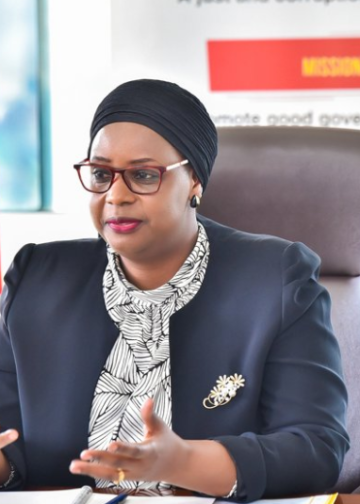
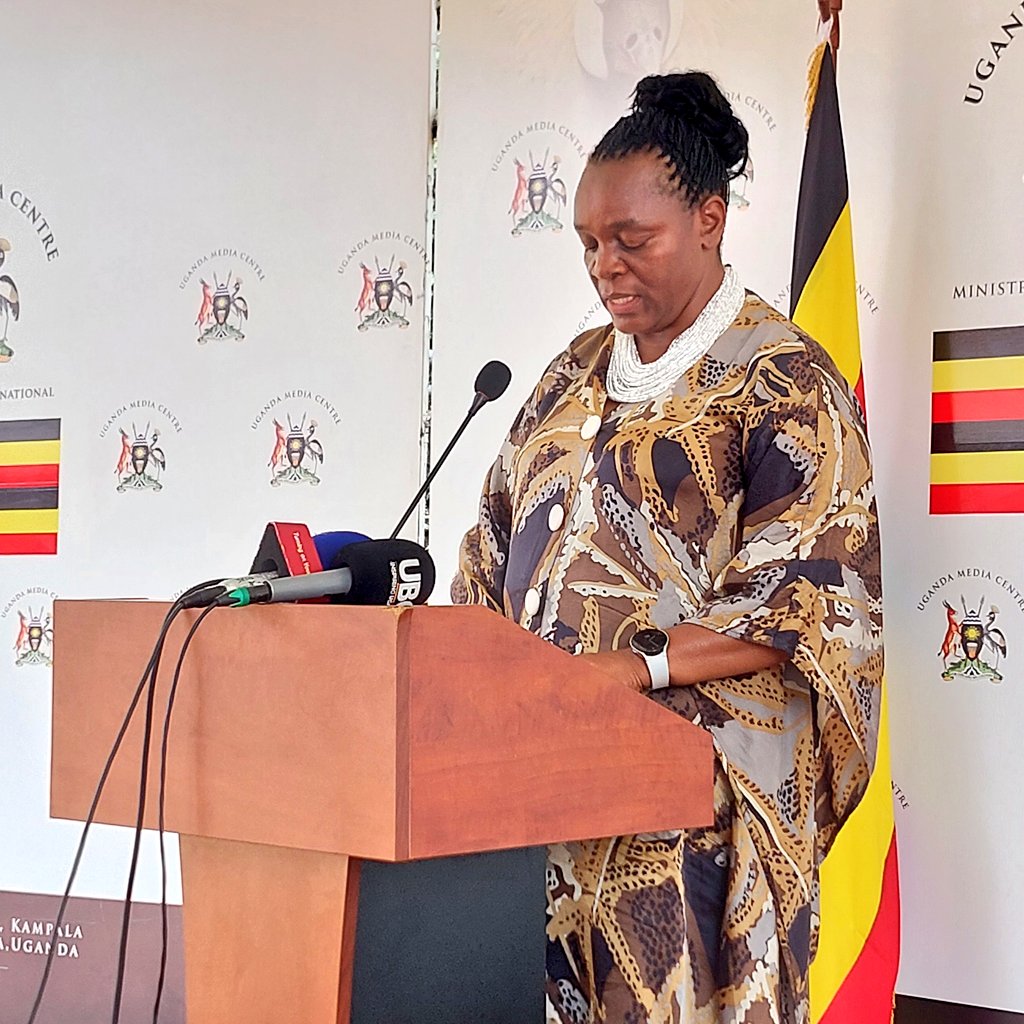
Speaking at the Uganda Media Centre on Wednesday, the Minister of State for Gender and Cultural Affairs, Peace Regis Mutuuzo, described literacy as “a fundamental human right and a cornerstone of national development.”
“As we approach International Literacy Day on September 8, 2025, it is with great pride and renewed determination that I address you today. This global observance stands as a powerful reminder of the transformative power of literacy,” Mutuuzo noted.
Despite progress registered through Universal Primary Education, Universal Secondary Education, vocational training, and the Functional Adult Literacy programme—which has already reached more than 3.3 million learners—Uganda still faces a significant literacy gap.
“While we celebrate our progress—evidenced by a literacy rate of 76% (UBOS 2024)—we must also acknowledge the ongoing challenges. Despite significant strides, 24% of our population remains illiterate; in absolute numbers there are approximately 11.9 million Ugandans,” the minister said.
To bridge this gap, Mutuuzo revealed that government is scaling up the Support to the Implementation of Integrated Community Learning for Wealth Creation (SUICOLEW) programme, backed by a Shs 83 billion investment over the next five years.
The initiative will expand community learning centres and boost digital literacy across the country.
“A major contribution of the project is in advancing human capital development, particularly among marginalized groups such as women, youth, and persons with disabilities,” Mutuuzo explained.
This year’s celebrations—held under the theme “Promoting Literacy in the Digital Era”—will feature literacy boot camps, symposiums, reading competitions, and graduation ceremonies for adult learners.
Mutuuzo urged all stakeholders to unite behind the literacy cause: “The advancement of literacy requires a unified approach, and each of us has a critical role to play in this collective endeavour.”
She also applauded development partners for their role in Uganda’s literacy journey: “Your contributions are instrumental in advancing our literacy goals and shaping a brighter future for Uganda.”