










The Judiciary and the United Nations Children’s Fund (UNICEF) have pledged to deepen cooperation aimed at improving access to justice for children through stronger child protection systems, enhanced capacity building and technology-driven reforms.
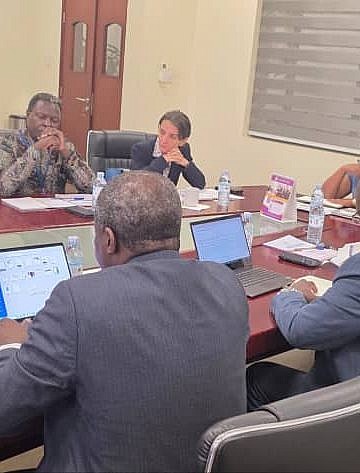
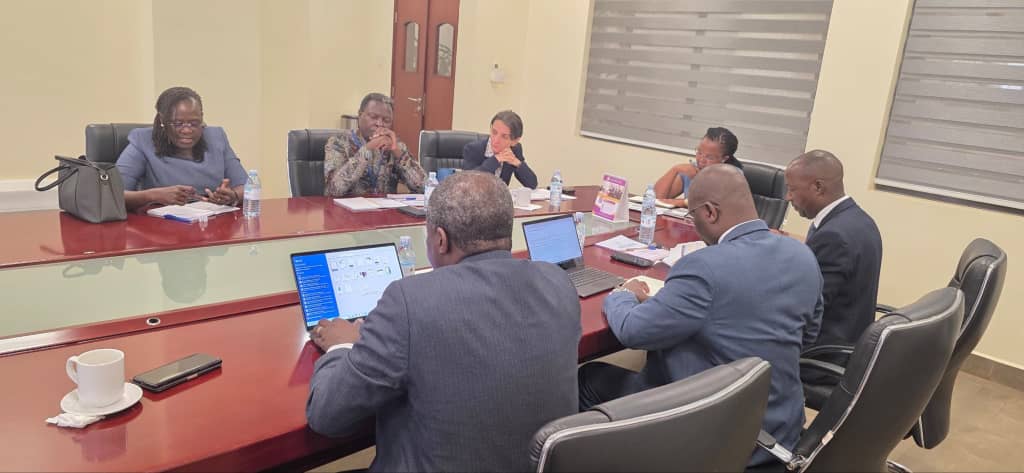
The commitment was made during a high-level engagement at the Supreme Court in Kampala between a UNICEF delegation led by Chief Child Protection Officer Veronica Avat and Judiciary Under Secretary Maureen Kasande.
The meeting centred on aligning areas of partnership under the Government of Uganda–UNICEF Country Programme (2026–2030), with both institutions highlighting the need for coordinated interventions that place children at the centre of the justice system.
Kasande said effective collaboration among development partners was critical in ensuring resources and expertise are optimally utilised while avoiding duplication of efforts.
“Stronger collaboration and alignment with the Judiciary’s strategic priorities will maximise the impact of development partner support and promote efficient and sustainable justice sector reforms,” Kasande said.
She added that partnerships should contribute to the Judiciary’s vision of delivering justice for all, especially by addressing barriers that limit children’s ability to access justice services.
On her part, Avat said child protection remains one of UNICEF Uganda’s flagship priorities under the new five-year Country Programme, with justice for children identified as a key area of engagement with the Government of Uganda.
She congratulated the Judiciary on the launch of the Administration of Justice Programme, noting that UNICEF was ready to work with the institution to identify areas where support can deliver meaningful and lasting impact.
“Understanding the Judiciary’s priorities and operational challenges will enable UNICEF to align its interventions with the most pressing needs and ensure available resources are invested strategically,” Avat said.
The UNICEF official acknowledged the challenges posed by reduced global funding but stressed the importance of strengthening partnerships and focusing resources on interventions with the greatest impact on children.
Among the areas proposed for collaboration are expanding audiovisual and virtual court hearings to make justice services more accessible to children, institutionalising child protection and juvenile justice training through the Judicial Training Institute, and strengthening legal aid services for children.
The partnership will also focus on supporting the implementation of diversion guidelines to reduce unnecessary contact between children and the formal justice system, improving court inspection and quality assurance mechanisms, and enhancing case management systems for evidence-based decision-making.
UNICEF further proposed strengthening coordination through Regional and District Coordination Committees and Technical Working Groups, as well as improving interoperability between child protection information systems and the Electronic Court Case Management Information System (ECCMIS).
The two institutions noted that improved data sharing, coordination and institutional capacity would be critical in building a justice system that is more responsive to the needs and rights of children across Uganda.