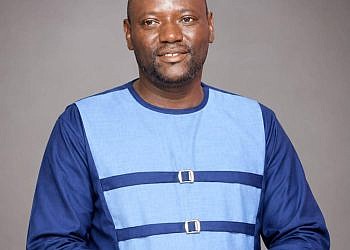









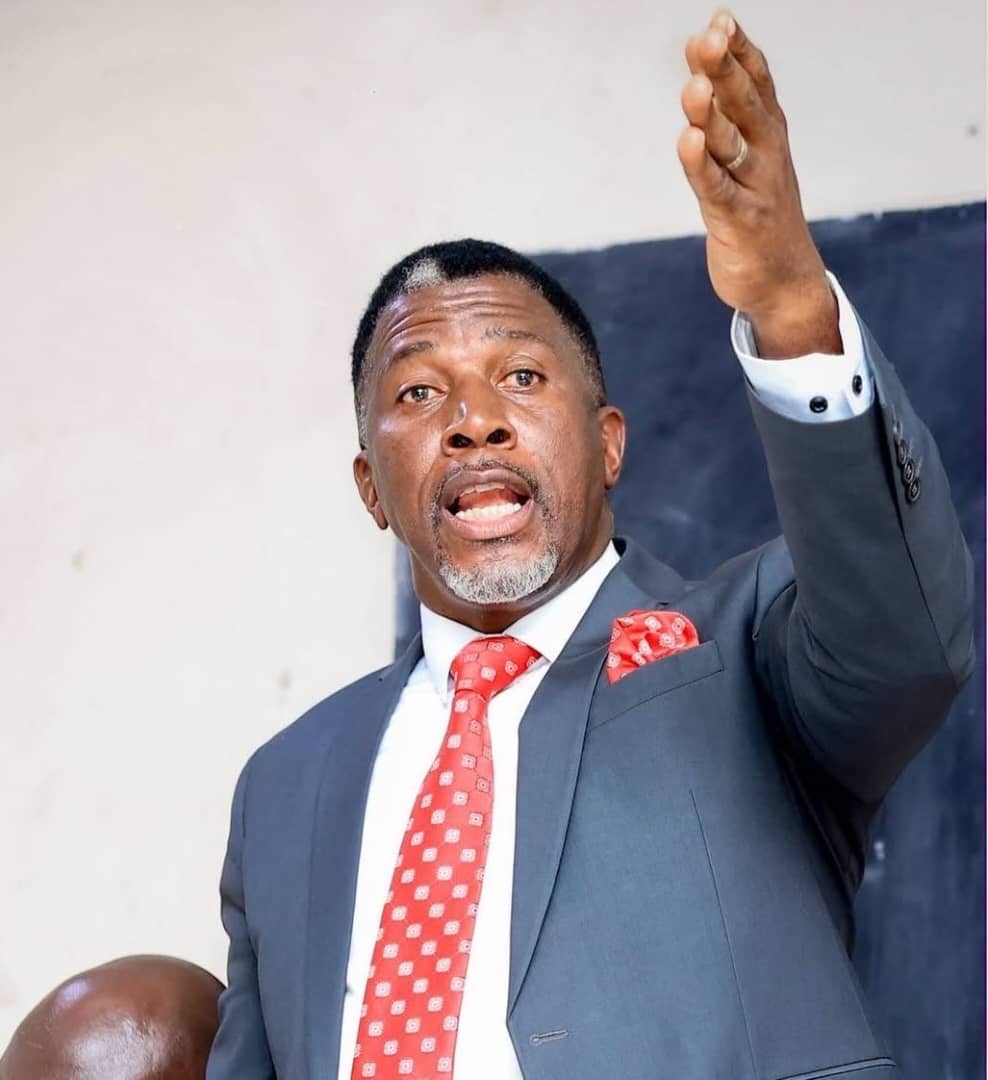
Kampala Lord Mayor Ronald Balimwezo has challenged a proposal to relocate Uganda’s capital from Kampala to Nakasongola, arguing that such a major decision requires broad public consultation and proper constitutional processes.
Balimwezo’s remarks follow a proposal by Minister of State for Urban Development Margaret Muhanga to revisit the Vision 2040 plan and consider establishing a new capital city in Nakasongola District.
Muhanga last week argued that Kampala had become difficult to manage and was increasingly unlivable, suggesting that building a new city from scratch could provide a long-term solution to the challenges facing the capital.
However, Balimwezo said Kampala’s status cannot be changed through a government announcement, stressing that Ugandans, particularly residents of Kampala, must be involved in any decision concerning the city’s future.
“Kampala became the capital of Uganda in 1962, and any decision to change the capital would require careful consideration of the constitutional and legal implications,” Balimwezo said.
He added that the proposal should be subjected to “proper consultation, public participation, and, where required, the appropriate constitutional processes.”
Balimwezo defended Kampala’s importance to the country, describing it as Uganda’s economic centre and noting that more than 4.5 million people live, work and conduct business in the wider metropolitan area.
“Kampala is not just a city; it is the heartbeat of Uganda,” he said.
The Lord Mayor argued that instead of abandoning Kampala, government should invest in improving its infrastructure while simultaneously developing other cities across the country.
He called for increased investment in roads, public transport, waste management, housing and other essential services to address the challenges facing Kampala.
Balimwezo also raised concerns over funding for the Kampala Capital City Authority (KCCA), saying the authority requires significantly more resources to implement its development plans.
“KCCA Budget is 2.4 trillion per financial year, but the government only manages to avail 40% which is too small to manage all the projects we intend to do. This leaves us with a gap of 60%,” he said.
According to Balimwezo, Kampala’s congestion could be addressed through major investments in public transport, including Bus Rapid Transit (BRT), trains and a metro system.
“We want to decongest Kampala by improving public transportation through the introduction of Bus Rapid Transit (BRT), trains, and a metro system. However, we currently have limited funds to implement these projects,” he said.
He further warned that relocating the capital could disrupt businesses, displace families and affect livelihoods that depend on Kampala.
“Moving the capital would have a significant impact. It could disrupt businesses, displace families, and affect many people whose livelihoods depend on Kampala,” Balimwezo said.
While supporting the development of other urban centres, Balimwezo said government should ensure that newly created cities receive adequate funding instead of shifting the country’s capital.
“The solution is not to abandon Kampala. The solution is to develop Kampala while strengthening and properly funding other cities across Uganda,” he said.
Balimwezo called for dialogue among government leaders, ministers, Kampala leaders, Members of Parliament and other stakeholders to find practical solutions to the capital’s challenges.
“The people of Kampala are not resistant to progress. We are resistant to decisions being made without our involvement,” he said.
He maintained that Kampala belongs to all Ugandans and that its future should therefore be determined through inclusive dialogue and a shared national vision.