











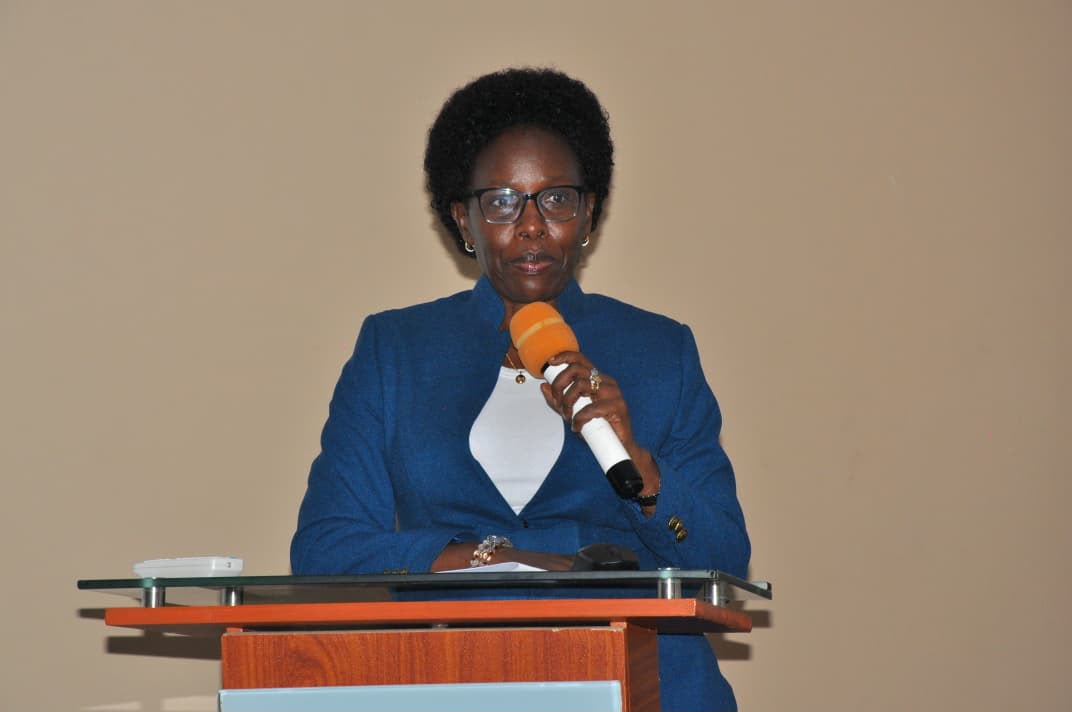
Uganda’s ability to withstand worsening droughts, floods and land degradation will increasingly depend on how effectively the country protects land rights and improves land governance, Lands Minister Judith Nabakooba has warned.
Nabakooba said insecure land tenure, weak land administration and limited access to reliable climate information could undermine efforts to transform Uganda’s food systems and help communities adapt to growing climate pressures.
She made the remarks on August 6 at Protea Hotel in Entebbe while presiding over the national inception workshop for the three-year Accelerating Food Systems Transformation for Resilience to Climate Change in Africa project.
The initiative is supported by the United Nations Economic Commission for Africa, the African Union, the Intergovernmental Authority on Development and other development partners.
Nabakooba argued that climate resilience cannot be achieved through agricultural interventions alone, saying the way land is owned, managed and accessed directly influences farmers’ ability to invest in production and adapt to climate change.
“Resilient food systems require secure land rights, reliable climate information, sound policies and strong institutions working together,” Nabakooba said.
Uganda’s dependence on agriculture makes the issue particularly critical, as climate shocks affecting crops and livestock can quickly translate into food shortages, loss of household incomes and wider economic disruptions.
According to Nabakooba, farmers who lack secure rights to the land they use may also be less willing or able to make long-term investments in soil conservation, irrigation and other measures that can protect production from climate shocks.
She said this was among the reasons the Ministry of Lands, Housing and Urban Development had joined the initiative.
Four areas targeted
The project will focus on four key areas — land tenure security, livestock value chains, index-based livestock insurance, and climate-land information systems.
The assessments are expected to generate evidence to guide policy reforms and investments designed to make Uganda’s food systems more resilient to climate change.
Nabakooba said the land component would build on ongoing government efforts to improve land administration, strengthen security of tenure and expand access to land information.
“Our Ministry continues to advance reforms that improve land administration, promote responsible land management and enhance access to land information,” she said.
“These efforts are essential for protecting land rights while supporting agricultural transformation, climate resilience and sustainable investment.”
The minister urged participants to ensure that the project’s implementation framework reflects Uganda’s social, economic and environmental realities rather than producing recommendations that remain disconnected from communities.
She also called for closer collaboration among government ministries and agencies, local governments, researchers, development partners, civil society organisations and the private sector.
Nabakooba said the ultimate test of the initiative would be whether its findings translate into practical changes in land management, climate planning and support for communities whose livelihoods depend on agriculture and livestock.
“The findings from this project should not remain on paper. They should inform better policies, guide future investments and strengthen decision-making at both national and local levels,” she said.
The government is expected to work with development partners throughout the three-year implementation period, with emphasis on strengthening land tenure security, improving climate-land information systems, building institutional capacity and promoting evidence-based policymaking.
For Nabakooba, placing land governance at the centre of Uganda’s climate and food-security agenda is increasingly necessary as changing weather patterns continue to put pressure on the country’s agricultural systems.