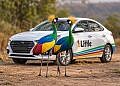












African mobility platform Little is setting its sights on Uganda’s ride-hailing market, seeking to attract riders and driver-partners with promises of reliable transport, competitive earnings and improved convenience.
The company says it is positioning itself for long-term growth in Uganda as demand for convenient and accessible urban transport continues to increase.
Little’s entry comes at a time when app-based transport has become an increasingly important part of urban mobility, particularly in Kampala, with operators competing for passengers as well as drivers.
The company says it wants to differentiate its service by placing reliability, safety and convenience at the centre of the rider experience.
Whether commuting to work, attending meetings, travelling to the airport or running errands, Little says its objective is to make everyday journeys easier for Ugandans.
“Little is here for Uganda, and we are committed for the long term,” the company said.
Casper Njoga, Country Manager of Little Uganda, said the company’s ambitions go beyond simply providing rides.
“Mobility is not simply about getting from one point to another. It is about giving people the confidence to plan their day knowing they have access to transport they can depend on,” Njoga said.
He said Little would continue adapting its services based on feedback from customers and driver-partners.
“We are committed to Uganda and to creating a mobility experience that works for both riders and driver-partners. We are here to serve the market, understand what our customers need, and keep improving the experience,” he said.
As it seeks to establish itself in the market, Little is also targeting drivers, whose numbers and availability are critical to the success of ride-hailing platforms.
The company says it offers low commission rates and instant access to earnings, which it argues can provide drivers with greater flexibility and stronger earning opportunities.
Joseph, a Little driver-partner, said the platform had enabled him to earn while maintaining flexibility in his work.
“Little has given us more opportunities to earn while giving us flexibility and faster access to our earnings,” he said.
He said a positive relationship between the platform and its drivers could also improve the quality of service offered to customers.
Little says it intends to grow its footprint in Uganda through investment in platform accessibility, service quality and strategic partnerships.
For the company, winning a share of the market will depend on convincing riders that its platform can provide dependable transport while giving drivers an attractive alternative for earning an income.
Njoga said the company remained focused on building a service that responds to Uganda’s changing mobility needs.
“Ugandans deserve a mobility service they can count on every day,” he said. “We are listening to our customers and driver-partners, and we are continuing to invest in making mobility better for Uganda.”
Little’s Uganda push is expected to add another layer of competition to the country’s evolving ride-hailing sector as mobility companies seek to capture a growing base of digitally connected passengers and drivers.