










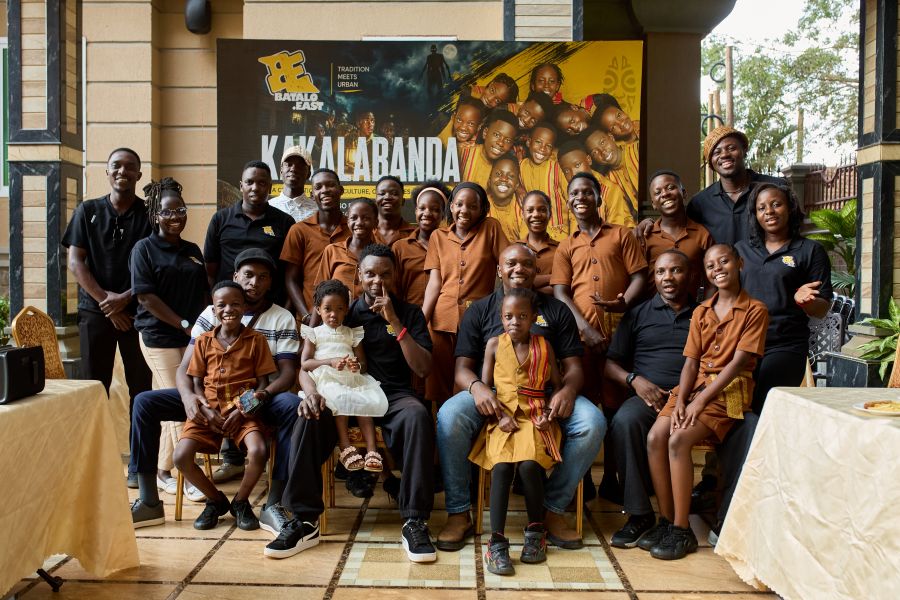
A piece of central Uganda’s boarding-school folklore is getting a new life on stage as Batalo East and Wakiso Dance Kids prepare to present Kakalabanda, a 60-minute dance theatre production inspired by one of the region’s enduring schoolyard tales.
The production will premiere at the Uganda National Theatre in Kampala on September 9, 2026, before moving to Kavumba Recreation Centre in Wakiso on September 12. Both performances are scheduled for 7:30pm to 8:40pm, with tickets priced at Shs30,000.
Kakalabanda draws on the folklore surrounding a mysterious creature said to have haunted school dormitories, particularly in central Uganda during the 1990s.
Sometimes referred to as nkalabanda, the figure is variously described in oral accounts as a mythical, ghostly or skeletal creature that appeared at night to frighten boarding-school students. Stories associated with Kakalabanda include claims that the creature stole personal belongings, cut students’ hair or clipped their nails while they slept.
The stories became part of boarding-school culture, with some learners reporting unexplained incidents at night and others claiming to have seen the mysterious figure moving through dormitories.
Rather than simply reproduce the frightening tales, Batalo East is using dance, theatre and music to explore the cultural meanings behind them.
Performed by the Wakiso Dance Kids, the production combines traditional Ugandan dance with contemporary and urban movement, reflecting Batalo East’s “Tradition Meets Urban” creative approach.
Albert Mubiru, the production manager and director, said the involvement of young performers was deliberate, with the project intended to transfer cultural knowledge and artistic skills to a new generation.
“We want to pass this kind of art to the next generation for purposes of sustainability, and this explains why we chose Wakiso Dance Kids,” Mubiru said.
Davis Sebulime, the company’s creative producer, said the stories associated with Kakalabanda went beyond frightening children and contained lessons about discipline and behaviour.
“There were hidden meanings in those stories. These stories shaped discipline and behaviour among the young people,” he said.
Sebulime said the production seeks to use art, music, dance and storytelling to bridge generational gaps while encouraging younger audiences to engage with stories that formed part of Uganda’s cultural memory.
Founded by young artists in 2013, Batalo East works across traditional, contemporary and urban dance, theatre and other forms of creative expression. The company has built its practice around connecting traditional cultural forms with contemporary artistic styles.
The team behind Kakalabanda includes Farouk Muyimbwa as general manager, Abdul Kinyenya as artistic director, Albert Mubiru as production manager and director, Davis Sebulime as creative producer, Rose Mary Atim as dramaturge, Levi Elasu as lead choreographer, Ulokcwinyu Ubia as production coordinator, Veronic Mukyala as production accountant and Roland Lukundo as media and communications manager.
Following the Kampala and Wakiso performances, Batalo East hopes to develop Kakalabanda into a touring production for theatres, festivals, schools and communities in Uganda and internationally.
The company also intends to use the production as a platform for mentoring young performers, ensuring that the stories, movement traditions and performance practices associated with Uganda’s cultural heritage continue to evolve with younger generations.