











Health experts have raised concern over the growing number of breast cancer cases in Uganda, with more than 4,000 new diagnoses recorded annually.
The Uganda Cancer Institute (UCI) warns that the majority of these cases are detected late, significantly reducing the chances of survival.
According to the Global Cancer Observatory (GLOBOCAN 2024), breast cancer now accounts for over 23% of all new cancer cases among women in the country, making it the most common cancer affecting Ugandan women.
Alarming trends also show that more women between 30 and 50 years are being diagnosed, indicating a rise in cases among younger age groups.
Late presentation remains a major challenge, with up to 80% of patients arriving at health facilities when the disease is already at an advanced stage, making treatment more difficult and outcomes poorer.
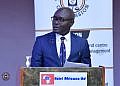
Speaking during the commemoration of Breast Cancer Awareness Month under the theme “Early Detection Saves Lives,” UCI Executive Director Dr. Jackson Orem stressed the urgent need for public awareness and routine screening.
“Each year, Uganda records more than 4,000 new cases of breast cancer, and tragically, many women still present with the disease at advanced stages. Yet, with early detection and timely treatment, up to 90% of breast cancers are curable,” Dr. Orem said.
Experts attribute the rising burden of breast cancer to lifestyle changes, low screening uptake, and misinformation.
They encourage women to carry out regular breast self-examinations, go for clinical screenings, and seek medical attention immediately if they notice unusual changes.
Dr. Orem urged women to take advantage of the screening services offered at regional hospitals and encouraged regular self-examinations to spot early warning signs.
He further called on the public to take advantage of available screening services and urged women to perform regular breast self-examinations and report any unusual breast changes to a health facility.
Health experts note that while the exact cause of breast cancer remains unknown, several factors have been identified that significantly increase a woman’s risk of developing the disease.
They highlight age as a key factor, explaining that the risk rises as a woman grows older. Women with a family history of breast or ovarian cancer are also considered to be at higher risk.
According to specialists, hormonal factors, such as experiencing menstruation at an early age or reaching menopause later than usual, can heighten vulnerability. They further point out that lifestyle choices, including obesity, physical inactivity, smoking, and alcohol consumption, contribute to the growing number of cases.
Experts also mention that reproductive factors, such as not breastfeeding or having a first child after the age of 30, have been linked to increased breast cancer risk. They emphasize the importance of awareness and lifestyle modification as part of prevention efforts.