










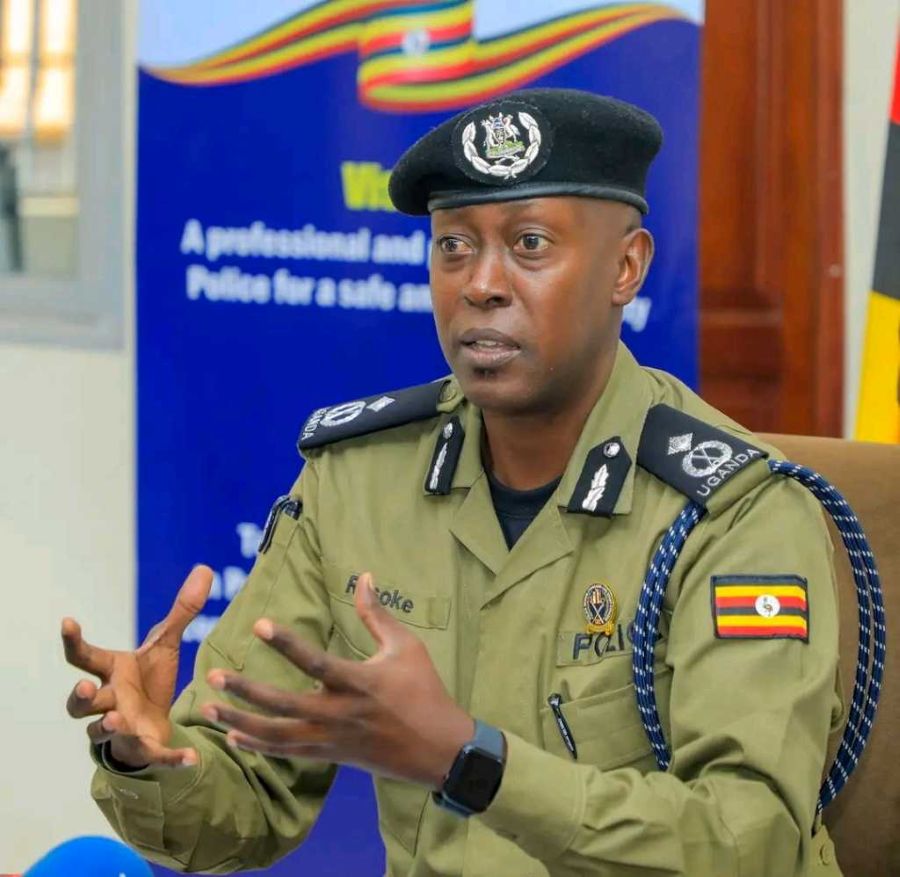
Police Force has cautioned political candidates and their supporters against engaging in unlawful processions, saying such activities pose serious security and public safety risks during the ongoing campaign period.
According to Police Spokesperson Kituuma Rusoke, the Electoral Commission guidelines clearly prohibit procession-style movements, and candidates are expected to conduct their meetings strictly at designated campaign venues.
“Processions are prohibited. Candidates should find their supporters at the campaign grounds,” Rusoke said, noting that unregulated movement of crowds often leads to clashes between rival political camps, traffic obstruction, and opportunities for criminals to take advantage of the chaos.
He further warned political actors against the growing trend of misusing emergency vehicles during campaign activities.
“The use of ambulances as lead vehicles is strictly prohibited. Drivers of ambulances are warned against misusing these vehicles,” Rusoke emphasized.
Police said they have observed cases where campaign teams deploy ambulances to maneuver through traffic or create unlawful right-of-way, a practice they described as dangerous, deceptive, and punishable under traffic laws.
Rusoke said the ban is intended to maintain order, prevent violence, and ensure coordinated campaign activities.
He cautioned candidates to respect the operational guidelines.
“Campaigns for presidential, parliamentary, local government, and Special Interest Groups (SIGs) are underway nationwide. We urge all candidates to strictly adhere to the established guidelines.”
He warned that violations of campaign protocols could trigger clashes among supporters.
“Follow agreed-upon protocols to avoid collusion and conflicts. We do not want to see rival candidate supporters fighting among themselves.”
Rusoke also highlighted growing security concerns, including defacing campaign posters, cyber-crimes, and criminals disguising themselves as party supporters.
“There are cases of criminals disguising themselves in party T-shirts and paraphernalia to rob people of phones, cash, and other valuables. Our teams are tasked to deal decisively with these groups,” he noted.
He further raised alarm over persistent traffic violations and urged campaign organizers to coordinate closely with security agencies.
“Work closely with the police because crowds attract security risks and accidents. Coordination with traffic police, emergency medical services, and the fire brigade is essential to maintain safety and security during campaign events.”
Rusoke warned that anyone violating the law will be held accountable.
“Any offenders will be held individually responsible. If not arrested at the scene, security personnel will pursue them at a later convenient time,” he said.