








Buganda Kingdom has warned that the proposed Protection of Sovereignty Bill, 2026, could damage Uganda’s economy instead of protecting the country’s national interests.
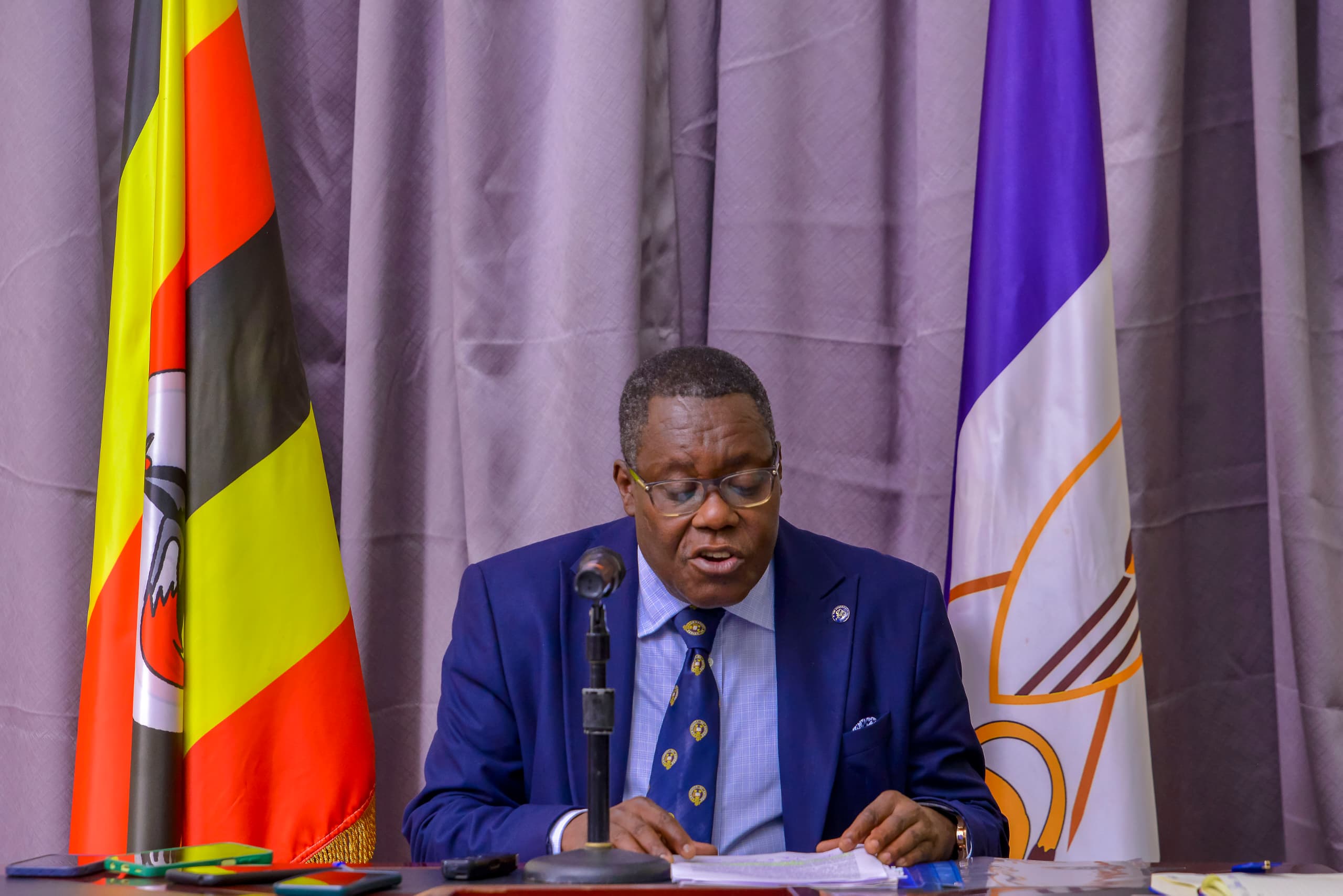
In a letter to the Attorney General of Uganda, Buganda’s Attorney General Christopher Bwanika said the bill, if passed in its current form, would increase the cost of doing business, discourage investors, and weaken Uganda’s position as an attractive investment destination.
“This law will not protect the sovereignty and interests of Uganda, but on the contrary doom our economy and increase the cost of doing business in Uganda and give the country a low rating globally as an investment destination,” Bwanika said.
He explained that Uganda has for years been seen as an ideal investment destination with minimal regulation, and government had previously focused on deregulation to attract more capital inflows.
However, he said the proposed bill now seeks to overregulate foreign remittances and financial support, which could reverse the progress made and drive investors away.
“The damage likely to be caused by this legislation may outstrip the benefits of concerns sought to be protected,” Bwanika stated.
Bwanika noted that the proposed law could scare away both new and existing investors, as businesses and institutions carefully assess a country’s regulatory environment before committing or maintaining capital flows.
“Uganda does not exist in an economic vacuum. She competes for investment, diaspora remittances, and development financing with neighboring East African Community states, each of which maintains comparatively lighter regulatory burdens on cross-border transactions,” he said.
He warned that if the bill is passed without major changes, capital that would have come to Uganda could instead be redirected to neighboring countries, leading to capital flight from Uganda’s existing investment base.
“In effect, there is a real danger that, should the Bill be enacted in its current form, capital flows that would otherwise be directed into Uganda will be re-directed to these competing economies,” Bwanika added.
The kingdom also raised concerns over the bill’s treatment of diaspora remittances, saying Ugandans living abroad should not be treated as foreigners simply because of where they live.
Buganda argued that many Ugandans in the diaspora support family members, cultural institutions, and development programmes back home, and these contributions should not be restricted.
The kingdom further said strict approval requirements for foreign financial support and heavy penalties for non-compliance could disrupt important programmes in health, education, agriculture, and cultural preservation.
Bwanika urged government to allow more time to review and refine the bill so that it protects Uganda’s sovereignty without hurting the economy or traditional institutions.