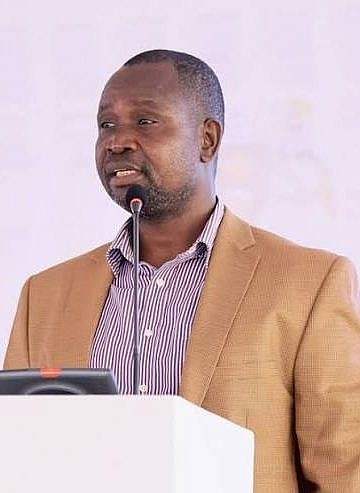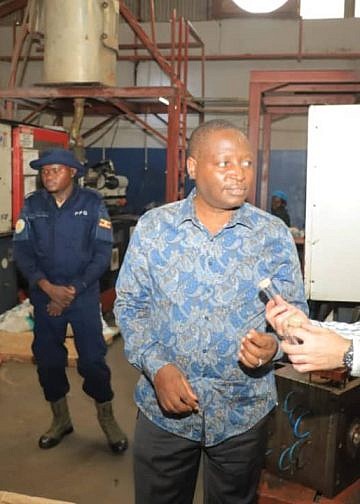









The Permanent Secretary and Secretary to the Treasury, Ramathan Ggoobi, has defended ongoing trade order reforms, acknowledging that they may disrupt some livelihoods in the short term but arguing that they are necessary for Uganda’s long-term economic transformation.
Ggoobi said the government’s push to enforce orderly business practices is aimed at improving urban planning, attracting investment, and ensuring that public spaces are used appropriately.
“Trade order will inconvenience people going forward, but it will be appreciated with time,” Ggoobi said.
“We are enforcing a more orderly way of doing business in Uganda. This tendency of everybody saying ‘I am an orphan, I am a widow, so I should sell in the middle of the road, I should make a noise because I’m looking for money, walking around with a loudspeaker’—that business is not good. It is affecting our ability to grow and attract serious investors.”
He added that the government expects cooperation from stakeholders, including private sector actors and development partners, in supporting the enforcement of structured trading environments.
“We are going to get organized. We expect Private Sector Foundation Uganda and others not to tell us that people are now very broke so leave them on the roadside. No. Let’s get organized,” he said.
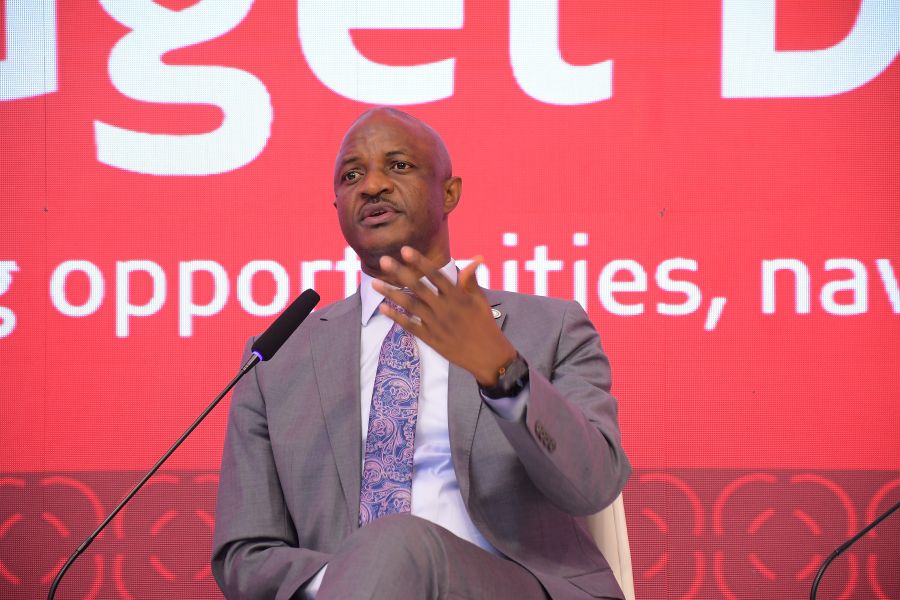
Ggoobi made the remarks on Friday during the 5th edition of the Absa Post-Budget Forum held at the Kampala Serena Hotel.
The high-level engagement brought together government officials, private sector leaders, and development partners to discuss the implications of the 2026/27 national budget.
The comments come as government intensifies efforts to enforce trade order across urban centres, part of a broader policy direction aimed at formalising informal economic activity and improving city planning.
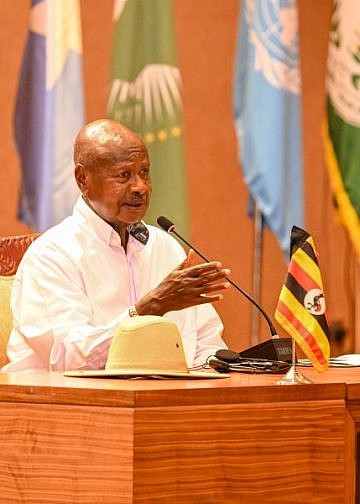
During the reading of the 2026/27 national budget, President Museveni also defended the ongoing enforcement of trade order, particularly the removal of roadside vendors from streets and highways.
Museveni questioned why some individuals choose to conduct business in areas not designated for trade, arguing that such practices undermine order and public safety. He said public spaces must be used for their intended purposes, comparing their use to the natural functioning of the human body.
The President likened roadside trading to a person attempting to eat through their ears or nose instead of the mouth, saying each part of the body has a defined function.
He also criticized political leaders who support roadside vending, describing such positions as misguided and inconsistent with efforts to maintain order in urban areas.