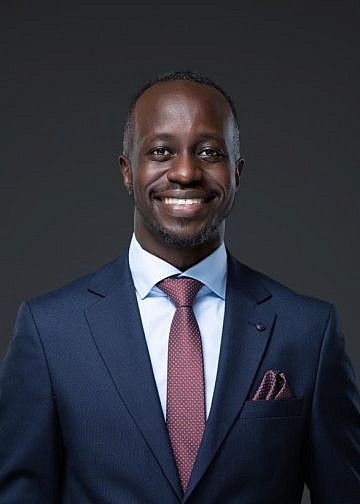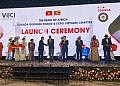











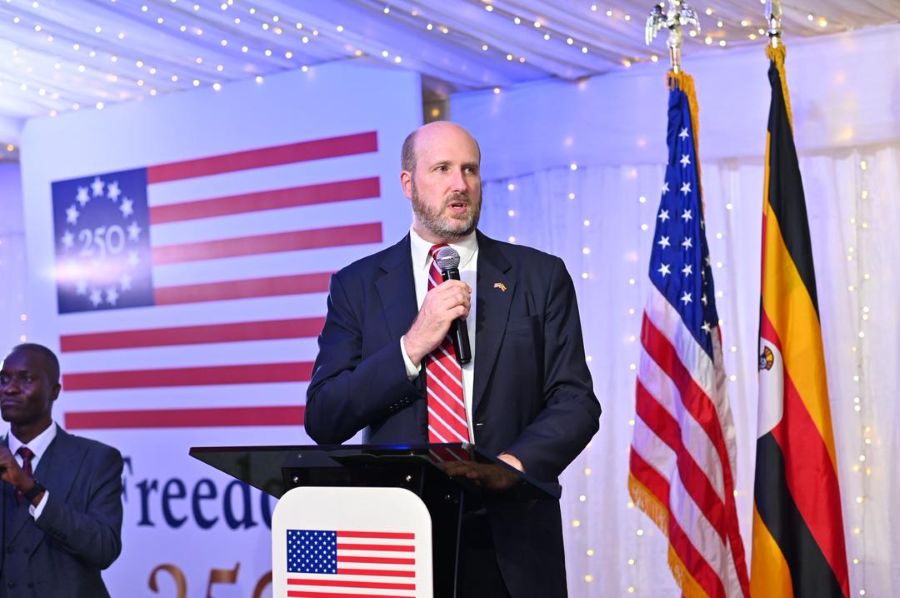
The United States Ambassador to Uganda, William Popp, has officially launched the “Freedom250: The American Edge” campaign, a year-long initiative marking 250 years of American independence while celebrating the longstanding partnership between Uganda and the United States.
Speaking during the launch event in Kampala, Ambassador Popp said the campaign aims to reaffirm America’s commitment to innovation, entrepreneurship, education, health, and international cooperation.
“Freedom250 is an opportunity to reaffirm that American values continue to guide how we engage with partners like Uganda,” Popp said.
The ambassador reflected on his travels across Uganda over the past three years, saying he had witnessed “The American Edge” through collaborations in health care, education, technology, business, and research.
“I’ve seen it in laboratories at Makerere and Mbarara universities, where Ugandan researchers use American technology to unlock the genetic codes of diseases,” he said.
Popp also highlighted Ugandan entrepreneurs trained in the United States who have returned home to establish businesses, create jobs, and drive innovation.
He described “The American Edge” as a competitive advantage built on centuries of American innovation, entrepreneurship, and scientific progress.
“It’s the spirit of curiosity, hard work, and the willingness to take risks that has driven generations of Americans to solve problems and build a better future,” he noted.
The ambassador cited historical American achievements, including the Wright brothers’ invention of powered flight, NASA’s space exploration efforts, and the rise of technology pioneers such as Bill Gates and Steve Jobs.
He added that American companies continue to lead globally in artificial intelligence, biotechnology, renewable energy, and space exploration.
Popp emphasized that Uganda continues to benefit from partnerships with American institutions and businesses through access to world-class technology, research opportunities, education, and global professional networks.
He praised Uganda’s more than 6,000 U.S. exchange alumni for contributing to national development after studying in America.
“Every one of you represents American excellence in action, and you brought it back to Uganda,” he said.
The ambassador also recognized the role of American businesses operating in Uganda, including telecommunications, banking, agriculture, and beverage companies, saying they continue to create jobs, transfer skills, and support economic growth.
On health cooperation, Popp pointed to Uganda and the United States’ joint response to the 2025 Ebola outbreak, saying the partnership helped contain the disease in under 90 days.
“When Ebola struck in 2025, we stood shoulder-to-shoulder with Uganda. Together, we prevented a regional and global pandemic,” he said.
He further highlighted ongoing partnerships involving the Uganda Virus Research Institute (UVRI), Makerere University, and American-supported health and research programs.
Popp also noted recent investments in educational and cultural exchanges, including the opening of the new American Center in Kampala and the launch of the U.S. Studies Center at Makerere University.
He said the Freedom250 campaign will continue over the coming months through storytelling initiatives showcasing alumni, businesses, and partnerships demonstrating the impact of Uganda-U.S. cooperation.
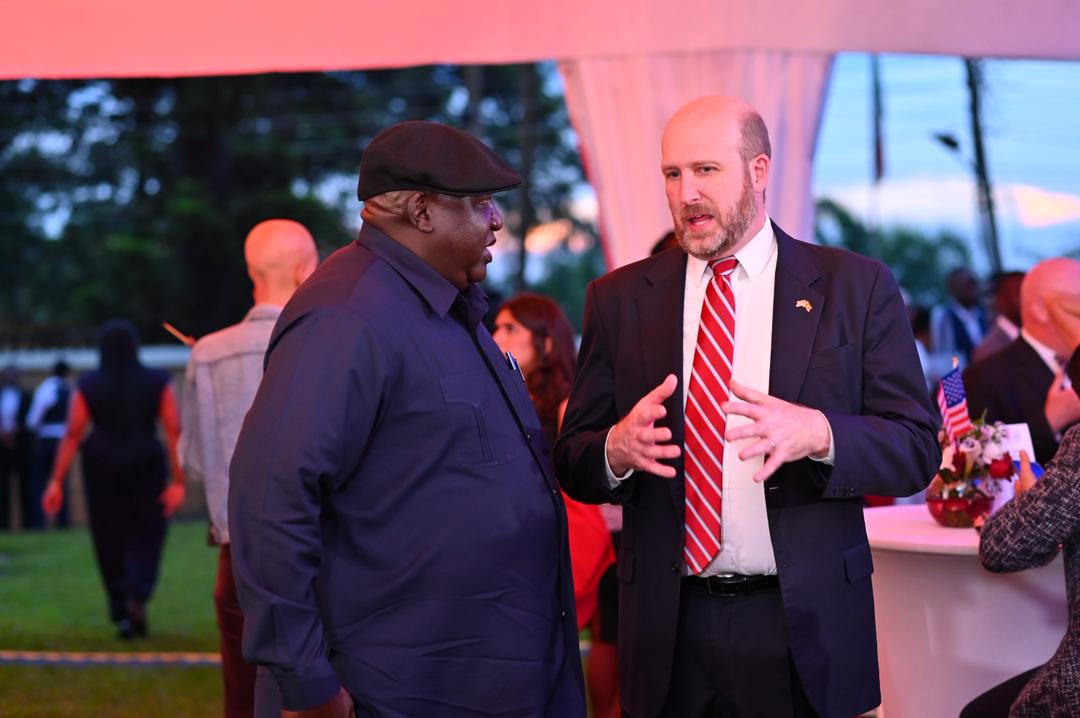
Speaking at the same event, the Minister of State for Foreign Affairs in charge of International Relations, Henry Okello Oryem, described Uganda’s relationship with the United States as cordial, historical, and beneficial to Uganda’s development.
“The U.S. government has had a very cordial historical relationship with Uganda since independence, and we have had continuous support from the American government in many sectors,” Oryem said.
The minister praised American support in Uganda’s fight against HIV/AIDS, Ebola, and other public health emergencies.
“Without the full-scale intervention of the American government to assist Uganda in the fight against HIV/AIDS, the prevalence of HIV/AIDS in Uganda would be much higher today,” he said.
Oryem also acknowledged U.S. support in refugee response, education, and military cooperation, particularly the training of UPDF officers in American military institutions.
“The American government has helped Uganda build the capacity to contribute to peacekeeping and regional stability,” he noted.
Addressing past diplomatic tensions, including disagreements over Uganda’s Anti-Homosexuality Act, Oryem said the relationship between the two countries has remained strong.
“Disagreements are normal, but we continue to engage and maintain our friendship,” he said.
The minister also commended Ambassador Popp for strengthening bilateral ties during his tenure in Uganda.
“Ambassador Popp has promoted cooperation in education, health, infrastructure, and agriculture. He has been one of the best ambassadors I have worked with during my time in the Ministry of Foreign Affairs,” Oryem added.