








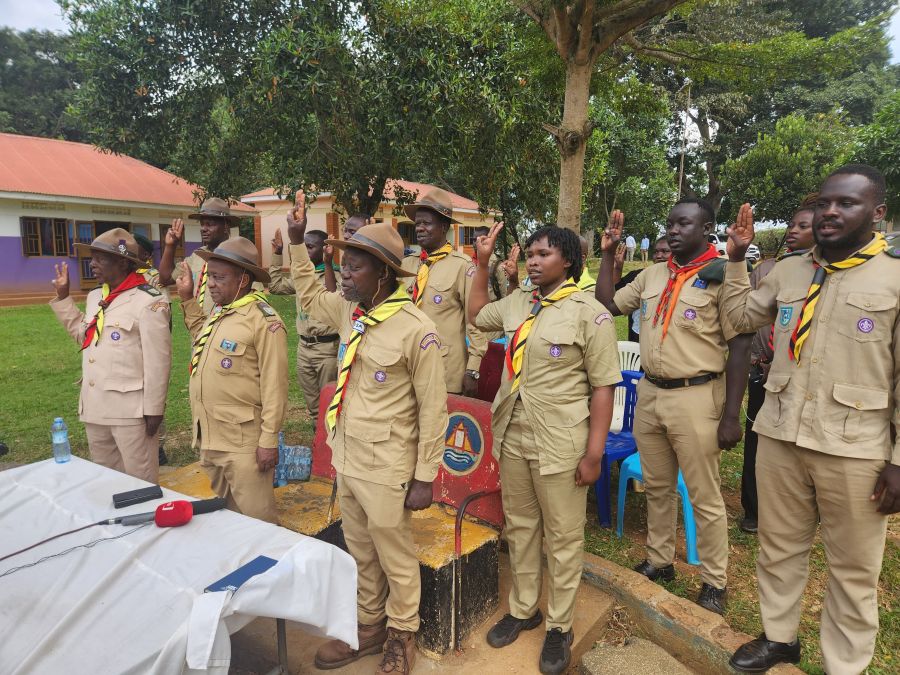
The Uganda Boys Scouts Association (UBSA) has announced an ambitious plan to transform the iconic Kaazi National Scouts Camp into a modern youth empowerment and skills development centre — marking a significant revival of the country’s scouting movement following years of internal leadership disputes.
The development comes after a decisive court ruling in February 2025, which reaffirmed UBSA’s legal mandate and nullified the registration of a rival entity, Uganda Scouts Association Ltd, deemed to have been unlawfully established. With that legal hurdle cleared, UBSA has now reclaimed full control of Kaazi, the historic lakeside camp and spiritual home of Ugandan scouting.
Addressing the press from Kaazi on Monday, UBSA National Executive Commissioner David Muledu outlined a comprehensive redevelopment plan to modernize the 50-year-old facility into a dynamic, self-sustaining campus equipped for 21st-century youth development.
“We are modernizing Kaazi to reflect the future of scouting,” said Muledu. “It will no longer be just a place for forest drills, but a vibrant hub where young people gain real-world skills, leadership, and discipline.”
The revitalized Kaazi camp will feature upgraded amenities including permanent accommodation cottages, conference halls, administrative offices, running water, electricity, and a sports arena open to the public. UBSA says the site will host local and international events, helping to generate income and reduce reliance on external donations.
“We are eliminating the mindset of begging,” said UBSA trustee Patrick Barugahare Mujuni. “This space will generate income, host events, and support self-reliant scouts.”
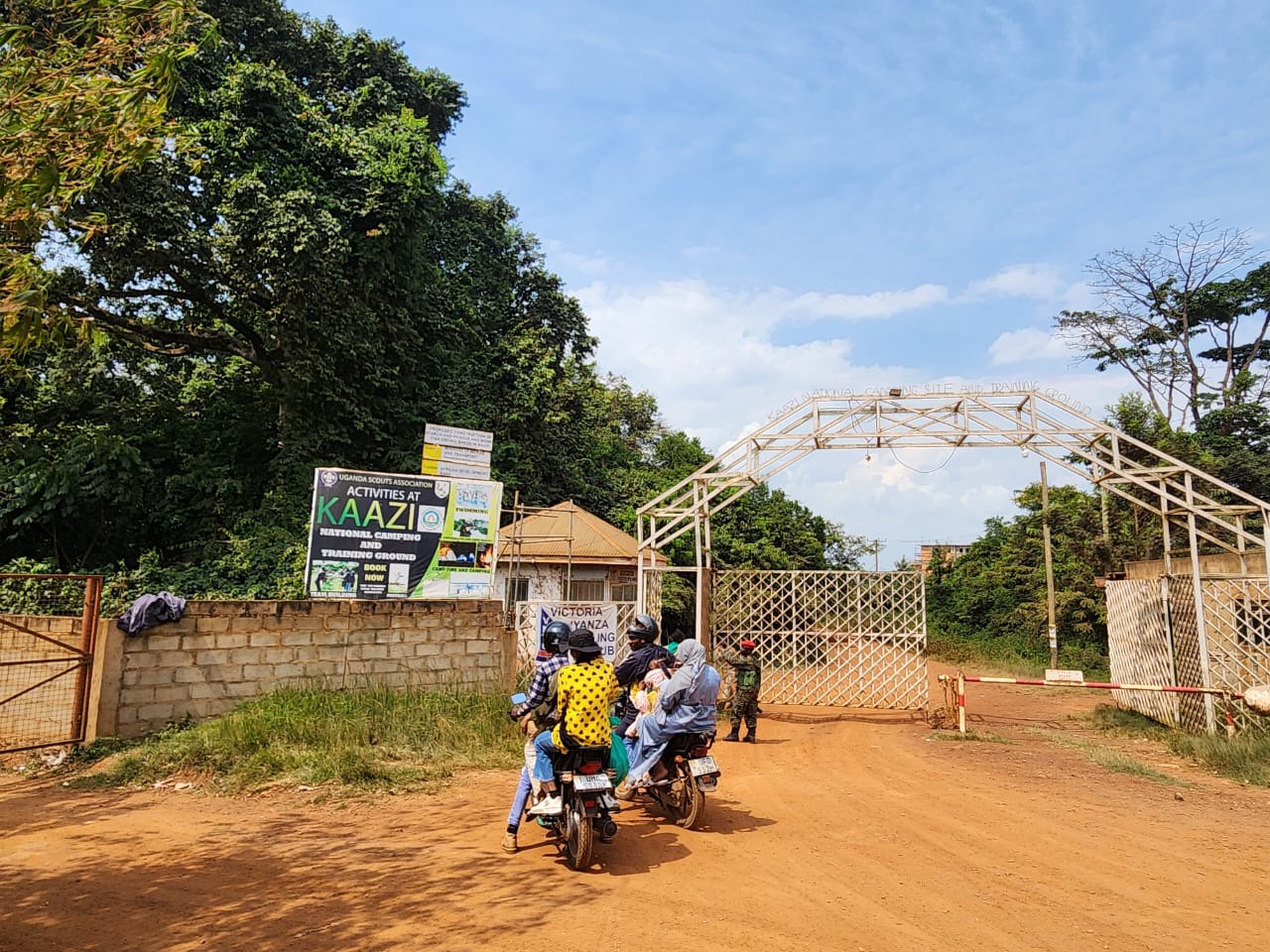
In a sign of renewed momentum, UBSA will host a national leadership training workshop at Kaazi from August 10–20, bringing together Scout leaders from across the country to chart the future of the movement.
To accommodate its expanded programming, UBSA is also acquiring an additional 250 acres of land adjacent to the current site. The expansion will allow for the construction of permanent training grounds and new infrastructure to replace aging, temporary structures.
“We’re blending scouting with digital literacy, firefighting, tailoring, tourism, and mental health programs,” said Conslanta Ikiring, the female youth representative on UBSA’s board. “Young people need skills to thrive — not just marches.”
She noted that while the focus shifts toward skills development, environmental conservation will remain central to UBSA’s values.
“We’re balancing progress with nature. The world is changing and we must evolve responsibly,” added Barugahare.
Founded in 1915, the Uganda Boys Scouts Association has survived decades of political, structural, and legal challenges. With its mandate reaffirmed and the symbolic Kaazi camp under transformation, UBSA says it is poised to reclaim its role as a leading force in shaping responsible, empowered youth.
“This is more than a facelift,” said UBSA trustee Stephen Musoke Brain. “It’s a total rebirth of Scouting in Uganda — and Kaazi is at the heart of that revolution.”