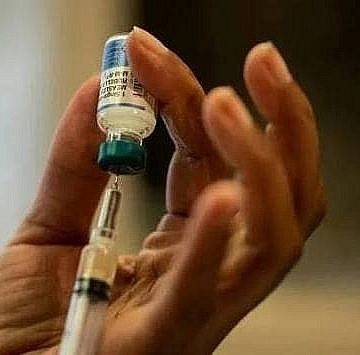








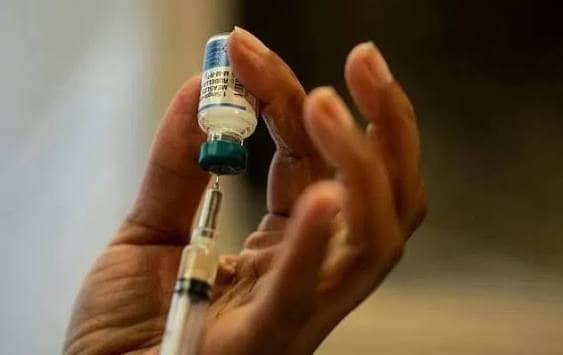
About 36% of Ugandan children do not receive the second dose of routine childhood vaccines, raising concerns about gaps in immunisation coverage, the Ministry of Health has revealed.
Health Minister Dr Chris Baryomunsi said that although more than 90% of children receive their first vaccine dose, only about 64% return for the second dose.
“While more than 90% of children receive the first vaccine dose, only about 64% receive the second,” Baryomunsi said.
He called for stronger public awareness campaigns and follow-up mechanisms to ensure that children complete their recommended immunisation schedules.
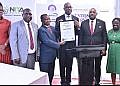
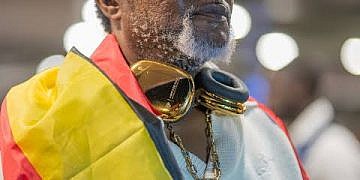
Baryomunsi made the remarks during the 20th Joint Annual Scientific Health Conference and the 2nd Annual Communicable and Non-Communicable Diseases Conference 2026, held at Speke Resort Munyonyo.
He said Uganda needs a coordinated approach to disease prevention, including expanding immunisation and screening services, strengthening primary healthcare and community health services, and improving the use of health data and research to inform decision-making.
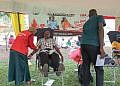
The minister also urged Ugandans to seek early screening for diseases such as cancer, hypertension and diabetes, warning that many people only discover they have serious illnesses after complications have developed.
The Ministry of Health Permanent Secretary, Dr Diana Atwine, said disease prevention should begin at household and community levels.
“Prevention must begin at household and community level,” Atwine said.
She urged stakeholders to prioritise childhood immunisation, the hepatitis B birth dose, HIV prevention, malaria control and the early detection of diseases such as cancer, hypertension and diabetes.
Atwine also warned that climate change could contribute to the emergence and spread of infectious diseases, while Uganda’s ageing population was likely to increase the burden of non-communicable diseases.
She called for increased investment in primary healthcare and community-based interventions, alongside public education on healthy lifestyles, proper nutrition, physical activity and routine medical check-ups.
Baryomunsi also called for increased government investment in healthcare, noting that Uganda’s health budget remains below the 15% allocation target set under the 2001 Abuja Declaration.
He further urged progress towards establishing a national health insurance scheme to improve access to healthcare services and reduce the burden of out-of-pocket medical expenses on households.
The minister’s remarks highlighted the need for stronger immunisation programmes, early disease detection, increased investment in preventive healthcare and improved access to essential health services.