





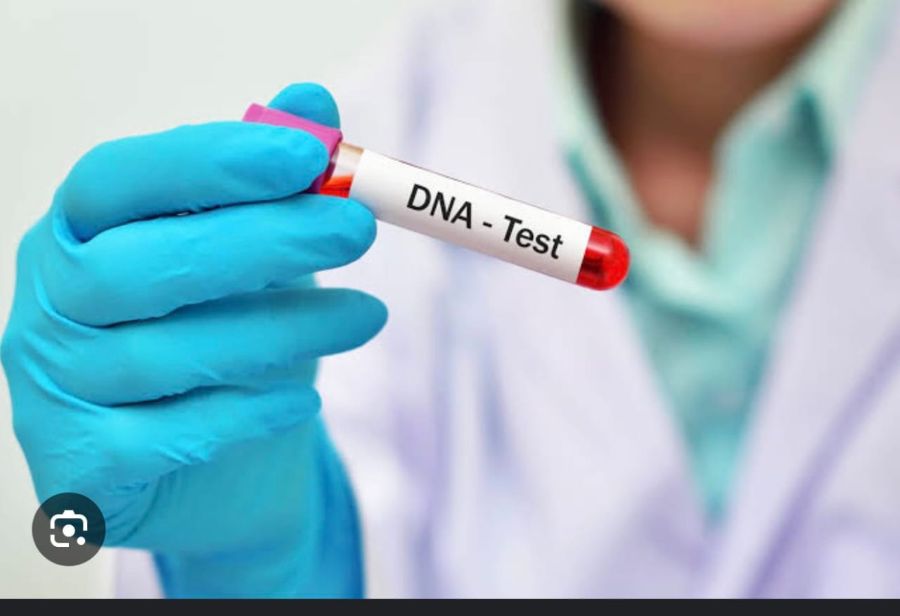
What was once hailed as a scientific breakthrough bringing clarity to paternity disputes is increasingly becoming a source of heartbreak and controversy in Uganda. DNA testing, widely embraced as a path to truth, has taken on a darker role—one that is tearing apart families, exposing infidelity, and eroding years of trust.
Across the country, DNA test results are no longer seen merely as tools of verification, but as catalysts for emotional and social upheaval. From high-profile personalities to ordinary citizens, the consequences have been nothing short of seismic.
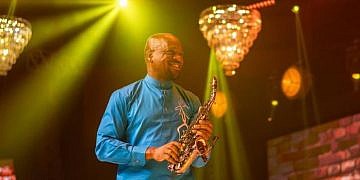
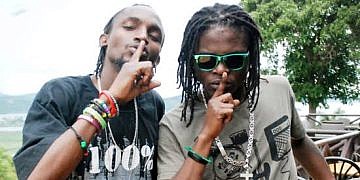
Among the most prominent voices in this evolving saga is celebrated kadongo kamu singer Mathias Walukagga Mulumba, who in 2022 publicly disclosed that DNA tests had revealed two of the children he had raised were not biologically his. The personal trauma he experienced soon spilled into his music, with the release of “Ekitawuluzi”—a song named after DNA itself—where he expressed feelings of betrayal and the mental toll of discovering fatherhood built on deception.
“This DNA thing is not for the faint-hearted. It saved me from deception, but it also nearly drove me mad,” Walukagga said in a past interview.
Another startling case that rocked Uganda’s elite circles involved Prof. Badru Kateregga, Chancellor of Kampala University and a revered academic. In a televised interview, Prof. Kateregga emotionally recounted how DNA testing proved he was not the biological father of a child he had long acknowledged, loved, and supported.
“The child is now four years old. Unfortunately, he doesn’t know his real father, but the mother knows. I spent USD 30,000 on the hospital bills in the U.S.,” he said. The emotional fallout, he admitted, deeply affected his personal life and family relationships.
In perhaps the most dramatic case yet, the late Muhammad Ssegirinya, former Kawempe North MP, became the subject of a posthumous paternity saga. Following his death, several women came forward claiming he had fathered their children.
DNA tests confirmed only four out of nine children were biologically his. The revelations have added legal complications to his estate and left his family entangled in bitter inheritance disputes.
These are not isolated incidents.
The Uganda Association of Laboratory Technologists reported a significant spike in private paternity test requests in 2023, the majority initiated by men. The ripple effects have been deeply felt—families fractured, custody battles intensified, and children emotionally scarred.
According to Dr. David Mukisa, a Kampala-based family therapist, DNA testing is a double-edged sword.
“Truth can heal, but it can also destroy,” he said. “DNA reveals facts, but it doesn’t account for emotional bonds that have formed over time.”
Indeed, in family gatherings, courtrooms, religious institutions, and on social media, stories of men quietly requesting DNA tests have become more common. Some men now demand tests before naming or accepting a child. The issue has sparked debates about the sanctity of trust, the ethics of testing, and the rights of children caught in the crossfire.
While proponents argue that DNA testing protects men from financial exploitation and ensures parental rights are respected, critics warn that the unregulated surge is destabilizing homes and creating emotional trauma—especially for children.
The Ministry of Health and child rights activists have recently expressed concern over the psychological implications for children who suddenly learn that the men they’ve called “father” all their lives are not biologically related to them.
As Uganda grapples with this rising phenomenon, the broader question remains: In the pursuit of truth, how do families balance science with sensitivity? DNA may provide answers—but at what cost?