








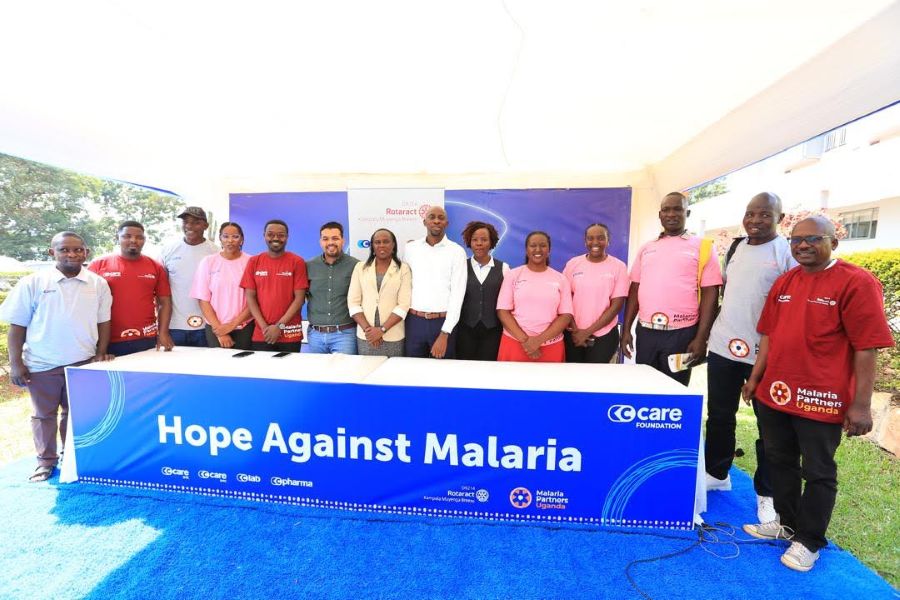
C-Care Uganda, one of the country’s leading private healthcare providers, has partnered with Hope Against Malaria and several community-based organisations to launch a three-month malaria prevention and treatment campaign in Namuwongo, Kampala’s second-largest informal settlement.
The initiative, Hope Against Malaria, is designed to reduce the malaria burden among Namuwongo’s 15,000 residents — with a strong focus on pregnant women and children under five, who remain at highest risk of infection and complications.
Despite being situated near the heart of the capital, Namuwongo continues to experience some of Kampala’s highest malaria rates, largely due to poor sanitation, stagnant water, and limited access to affordable health services.
“At C-Care, our mission goes beyond treating patients in hospitals. It’s about building healthier communities,” said Azhar Sundhoo, CEO of C-Care. “When we fight malaria, we improve education, economic stability, and ultimately the quality of life.”
C-Care will spearhead testing, treatment, and prevention efforts through its Foundation Clinic, supported by rapid diagnostic kits, anti-malarial drugs, and trained health workers. Local volunteers are also being equipped with skills to ensure the sustainability of the intervention.
The project is funded through a $10,000 grant awarded to the Rotaract Club of Kampala Muyenga Breeze, with support from Malaria Partners International — a global Rotary-affiliated organization focused on malaria elimination.
“We applaud the Rotaract Club of Kampala Muyenga Breeze for taking the lead in applying for this grant,” said Eva Kagona, Programmes Manager at Malaria Partners Uganda. “This kind of grassroots initiative is crucial in tackling malaria at the community level.”
Prudence Asobola, Project Manager at C-Care Foundation, highlighted the scale of the crisis and the urgent need for action.
“Every day, more than 14 children in Uganda die from malaria. Many go undocumented. Pregnant women are especially vulnerable, with nearly 30% facing heightened risks,” she said. “This project empowers the Namuwongo community with training, preventive therapy, antenatal services, and mosquito net distribution.”
As part of the intervention, 1,000 insecticide-treated mosquito nets (ITNs) will be distributed to pregnant women and households with young children. Mobile clinics will provide free malaria testing and treatment, while follow-up visits will ensure proper ITN use and support behavioral change.
The campaign is expected to directly benefit 1,000 people and indirectly reach over 20,000 residents in Namuwongo and surrounding areas such as Bukasa, Kisugu, and Muyenga through awareness drives and health education.