








For years, school kitchens have quietly run on firewood and charcoal, largely unchanged even as classrooms modernised. But at this year’s Church of Uganda Annual Heads of Education Institutions Retreat, education leaders were told that continuing with smoky kitchens is no longer a neutral choice it is a leadership decision.
Speaking at the retreat held at Uganda Christian University (UCU), Mukono, Vivo Energy Uganda challenged school heads to rethink how their institutions cook, arguing that energy choices now directly affect health, budgets and environmental responsibility.
“The decisions you make every day go far beyond classrooms,” said Joanita Mukasa Menya, Managing Director of Vivo Energy Uganda. “They shape the safety, well-being and future of our nation. That is why how we cook in our schools matters.”
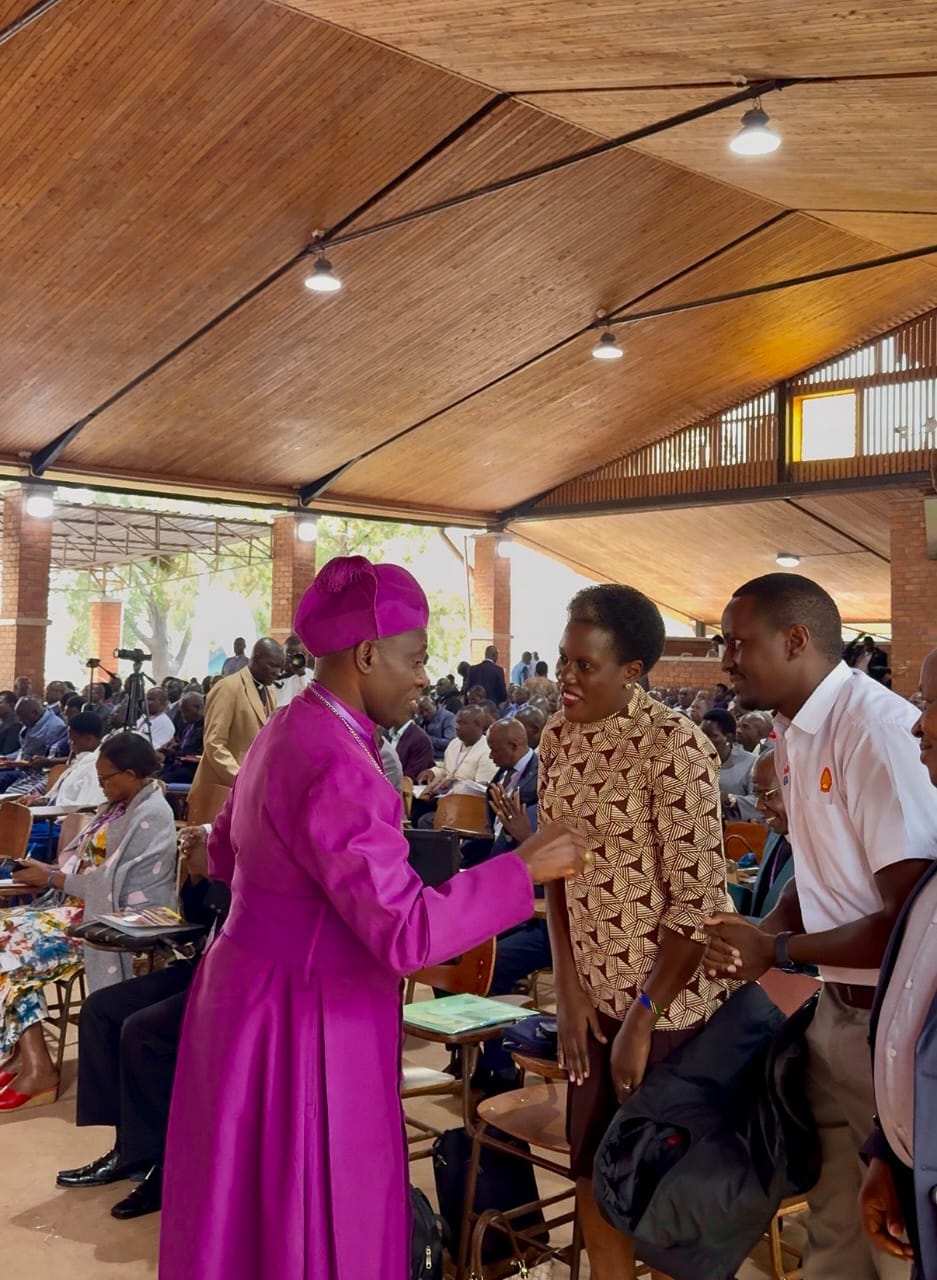
The retreat brought together leaders from over 2,000 pre-primary schools, 5,200 primary schools, 630 secondary schools, 50 BTVET institutions and five universities, and was graced by the Bishop of South Ankole Diocese, Rt Rev Nathan Ahimbisibwe.
Mukasa Menya said reliance on firewood and charcoal is increasingly costly — not just financially, but socially.
“Smoke from traditional biomass fuels exposes cooks and learners to harmful pollutants, while deforestation continues to accelerate,” she said.
“Put simply, the way we cook should not undermine the future we are educating our children to lead.”
Vivo Energy presented institutional Liquefied Petroleum Gas (LPG) as a ready alternative already in use by some schools.
“LPG is clean, efficient and reliable. Schools that adopt it see immediate benefits — safer kitchens, faster cooking and better control of energy costs,” Mukasa Menya noted.
One of those schools is King’s College Budo, where kitchen staff say the change has transformed their daily work.
“Switching to LPG has been a game-changer for us,” said the school’s head cook. “It’s safer, faster, and the kitchen is much cleaner. I can’t imagine going back to firewood.”
According to Alvin Bamutire, Vivo Energy Uganda’s LPG Manager, interest from schools is rising as pressures mount.
“Many institutions are actively looking for alternatives because firewood costs are rising and safety concerns are growing,” Bamutire said.
“Our LPG systems are designed for the scale of schools, and we provide technical support to ensure safe and reliable use.”
Mukasa Menya told school heads that clean cooking is no longer an abstract sustainability conversation.
“Clean kitchens are part of safe schools. Safe schools are part of quality education,” she said. “The future we teach must be reflected in the choices we make.”
As school leaders left the retreat, the message was clear: the next big decision shaping Uganda’s schools may not be made in the classroom — but in the kitchen.