






The Uganda National Women’s Council has reiterated its position that the next Speaker of Parliament should be assessed based on commitment to advancing the women’s agenda rather than gender considerations alone, as Parliament prepares for leadership elections.
The Council says the debate should move beyond whether a woman occupies the top seat and instead focus on whether the incoming leadership will actively protect and promote gains made in women’s representation and participation in governance.
This comes as political endorsements for the Speaker and Deputy Speaker positions continue to shape the race, with Jacob Oboth-Oboth and Thomas Tayebwa emerging among the key figures in the contest.
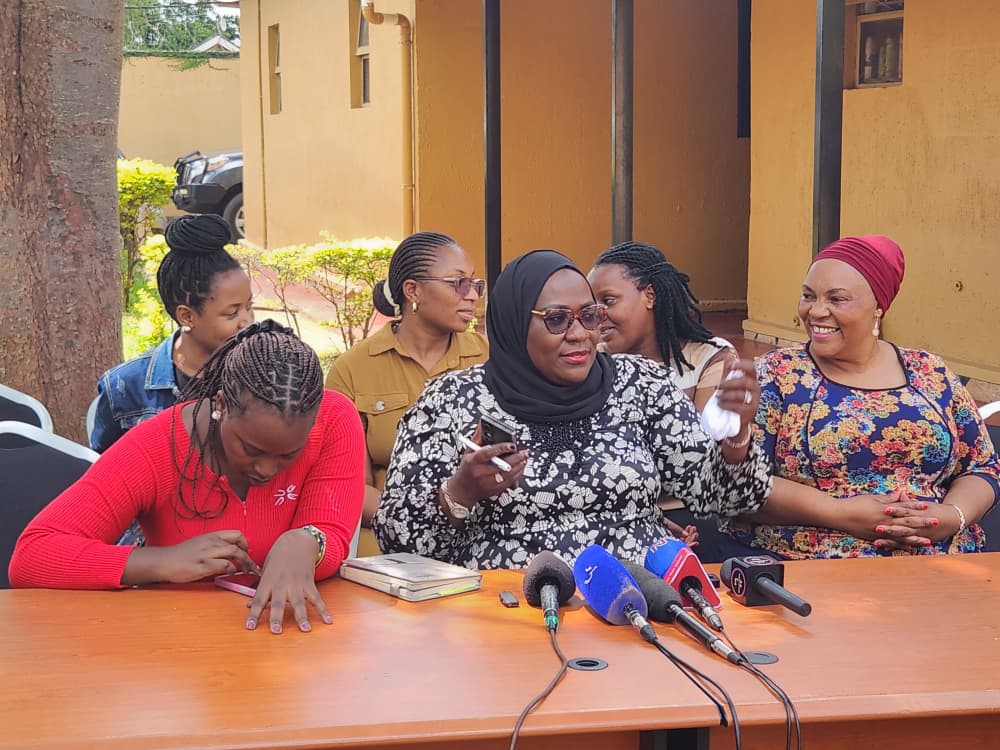
Addressing journalists at the National Women’s Council offices in Ntinda, Chairperson Hajjat Faridah Kibowa said Uganda has already made significant progress in ensuring women occupy leadership spaces, especially in Parliament.
She noted that over the years, women have benefited from sustained inclusion in top parliamentary leadership roles, describing it as an achievement worth acknowledging.
“Parliament of Uganda has given us the opportunity to occupy that seat for almost 20 years. What we advocated for, we have achieved, and we celebrate that,” she said.
However, Kibowa emphasized that the current moment calls for a shift in focus toward leadership that delivers for women, regardless of who occupies office.
“We want to focus on the women’s agenda. We want someone who is going to push for women’s interests because that is what matters,” she said.
She further argued that leadership selection should prioritize competence and commitment to women’s issues, warning against decisions driven purely by identity politics.
“We should not feel demoralized or think we have been left out. What matters is having someone who will advance the women’s agenda,” Kibowa added.
The Council also urged women to remain confident in the broader opportunities available within government, noting that leadership roles extend beyond Parliament’s top offices.
On concerns about the treatment of women in public life, Kibowa said society often unfairly generalizes the actions of one individual to all women, calling for a more balanced perspective.
“For us as women, whatever happens to one woman is often attached to all women, which should not be the case,” she said.
She also emphasized merit and responsibility among women leaders, urging them to serve in ways that strengthen opportunities for others.
“When you are given an opportunity to serve, do so knowing that you represent a group of women,” she said.
On the ongoing situation involving former Speaker Anita Among, Hajjat Kibowa called for restraint and patience as investigations continue, saying due process should be allowed to take its course.
With the Speaker and Deputy Speaker elections drawing closer, the Women’s Council maintains that what matters most is not who occupies the positions, but who is best placed to advance Uganda’s women’s agenda.