








The Local Economic Growth Support (LEGS) Programme implemented by the Microfinance Support Centre (MSC) with funding from the Ministry of Local Government and the Islamic Development Bank (IsDB) is transforming livelihoods in Ntoroko District.
Through the initiative, 1,501 people have directly benefited from support extended to 48 Savings and Credit Cooperative Organizations (SACCOs) across the district, with hundreds more benefiting indirectly through increased economic activity.
The project, which focuses on livelihood improvement and infrastructure development, has injected more than Shs1.6 billion into community enterprises ranging from agriculture and livestock rearing to fishing and small-scale businesses.
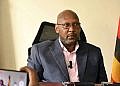
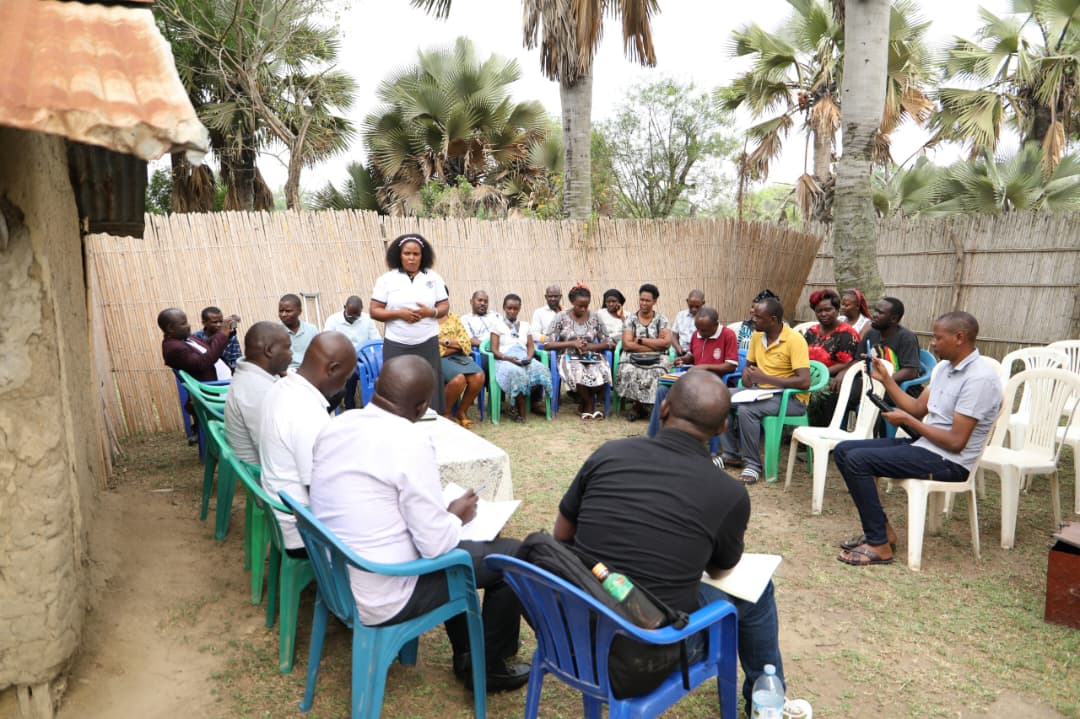
While addressing a team from the Microfinance Support Centre that had visited the district to monitor the project’s performance, Ntoroko Chief Administrative Officer Moses Agum praised the programme for empowering communities and improving household incomes.
“We are talking about LEGS Phase One, and now we have already heard that LEGS Phase Two is going to start. Recently, a team from the Ministry of Local Government came here to do scoping for the next phase,” he said.
The programme was implemented through two major components infrastructure and livelihoods which have helped communities turn their business ideas into viable enterprises.
The CAO hailed the Government and the Microfinance Support Centre for the initiative, saying the district has registered significant achievements through the programme.
“I really need to thank the Ministry of Local Government for championing this initiative with the support from the Islamic Development Bank. On several occasions, the bank missions have come here to see what we received and what we have given to the beneficiaries. I have to say that we have achieved a lot,” Moses noted.
He explained that several community groups applied for support, but 48 groups were eventually funded, enabling them to expand their businesses and improve their standards of living.
“As a district, we had many groups that needed support, but 48 were funded and I am very happy because you have seen for yourselves that these groups are alive and active,” he said.
Agum said the programme helped communities access seed capital, which had previously been a major challenge for many entrepreneurs.
“Through the LEGS programme we identified groups based on their priorities and enterprises. Communities already had ideas and investments, but what they lacked was seed capital,” he explained.
One of the beneficiary groups, Kanara Tuendelee, received Shs72 million to invest in water transport and fishing activities, benefiting 31 members.
“That support is very big. Now we are seeing enterprises like bull fattening, agro-machinery services and fish farming emerging. The aim is to improve livelihoods and bring transformation in the community,” Moses added.
He also noted that the growth of SACCOs supported under LEGS is providing communities with alternative sources of financing compared to commercial banks.
“Most people are now borrowing from their SACCOs because they know each other and do not need strict collateral like banks require,” he said.
However, he urged beneficiaries to remain disciplined and ensure they repay loans to sustain the programme.
“As a district we have benefited about Shs1.6 billion, which is a very big boost.
Through this support, we have directly touched the lives of 1,501 people, and these will also impact many others in the community,” Moses said.
The project has also empowered women to venture into businesses that were previously dominated by men.
Scondina Niwankunda, a health worker and loans officer with the Banyankole Bakiga Group in Rwebisengo Village, says the support enabled her to start additional businesses beyond her professional job.
“I got Shs2 million from Microfinance Support Centre. I am a health worker, but I started a side business in mobile money services,” she said.
She explained that the new venture has provided her with additional income.
“In my free time I operate the mobile money business and I earn a commission of about Shs280,000 to Shs300,000 every month. I use part of the money to pay back the loan and remain with some profit,” Niwankunda said.
Through the SACCO, members have also invested in livestock and land.
“After the funding we bought six bulls in the first phase using about Shs20 million. In the second phase we received Shs40 million and bought 8.5 acres of land where we plan to construct structures and expand our projects,” said Kanyesigye Peace the chairperson of the group.
Kanyesigye said the SACCO has grown significantly because of the opportunities created by the programme.
“We started when we were only 20 members, but now we are about 40 because many people have seen the benefits and want to join,” she said.
“Our saving culture also improved. We shifted from savings 250,000 to 1,200,000 every Sunday sitting. For association we sit on every Sunday, so we used to save 250,000, now to 1.2. Every Sunday sitting, that is 4.8 million in a month”, Kanyesigye added.
Niwankunda encouraged more women to embrace saving and cooperative societies.
“I encourage women to join SACCOs and develop a culture of saving. You save, take a loan and start a business. Personally, I no longer have to ask my husband for money because I have my own income,” she said.
She also advised professionals not to rely entirely on their salaries.
“Before joining the SACCO, life was difficult because I had to wait for my salary. Now I have other sources of income and I do not depend only on my job,” Niwankunda added.
At Kanara Landing Site, fisherfolk say the project has helped them transform from traditional fishermen into organized business operators.
Through LEGS funding, they acquired boats, fishing nets and boat engines, enabling them to adopt modern and recommended fishing methods.
They say the support has improved their productivity and reduced conflicts with law enforcement agencies on the lake since they now comply with the recommended fishing standards.
The fishermen have also ventured into cargo transport on Lake Albert, creating new income streams for their communities.
District leaders say the achievements recorded under LEGS Phase one demonstrate the potential of community-driven economic programmes.
With LEGS Phase II expected to roll out soon, authorities hope the next phase will further expand opportunities for local entrepreneurs and strengthen SACCOs across the district.
“We want to see these groups grow stronger and continue transforming communities. Documentation of the next phase should start from the beginning so that we clearly track the progress and impact,” CAO Agum said.