






















Kampala’s nightlife has long been defined by its vibrancy and variety, with an ever-expanding mix of clubs, lounges, and pop-up experiences competing for attention. Yet on April 11, a new benchmark emerged. At Muyenga Quarry, Club Canvas—an initiative by Club Pilsener under Nile Breweries Limited in collaboration with TBWA Uganda and Swangz Avenue—delivered an experience that signals a clear shift in how youth culture is being shaped and consumed in the city.
Rather than positioning itself as a conventional nightlife event, Club Canvas introduced a more intentional, experience-led model. Access was deliberately limited, with invitations distributed through curated campus activations, nightlife touchpoints, and digital engagement. This approach cultivated an audience that arrived not just to attend, but already aligned with the ethos of the experience.
The choice of Muyenga Quarry as a venue reinforced this departure from the ordinary. Typically seen as an industrial space, it was transformed into a multi-sensory environment anchored by striking visual installations, including a large illuminated sign that redefined the landscape. The setting itself became central to the narrative, underscoring the idea that the experience was not adapting to a venue, but reshaping it entirely.
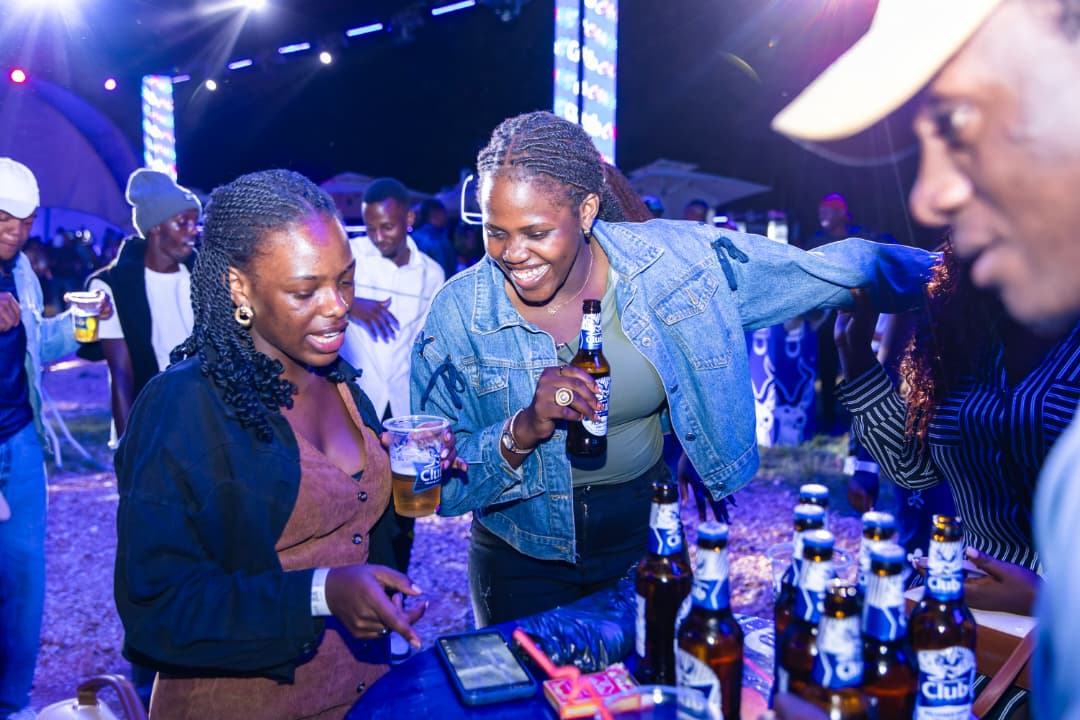
Inside, Club Canvas functioned as an immersive cultural ecosystem. Music, art, fashion, and technology were seamlessly integrated, creating a fluid environment that encouraged movement and participation. Interactive elements such as live neon body art and a tattoo station shifted attendees from passive spectators to active contributors, turning the crowd into part of the visual and cultural fabric of the night.
Technology played a supporting but strategic role. The spatial design and lighting enabled effortless content creation, aligning with a generation that documents and shares experiences in real time. This resulted in organic digital amplification, with attendees acting as co-creators of the event’s visibility and narrative.
Music remained a central pillar throughout the night. Sets from MC Pest, DJs Vanns and Trizzy, and performances by Zagazillions, Fyno UG, XHAVI, and Aaronix created a dynamic progression of sound. A standout moment came with Kohen Jayce, whose RnB performance introduced a reflective pause before MC Viana Indi and DJ Roja closed the night with renewed energy.
Equally significant was the composition of the audience. The guest list was intentionally curated to include campus tastemakers, young professionals, and creatives aged 19 to 30—individuals actively shaping Kampala’s cultural direction. This alignment between audience and experience contributed to a sense of authenticity that extended beyond the programming itself.
Fashion also played a prominent role, with collaborations involving Threaded and curated pop-up showcases reinforcing the importance of personal expression. Attendees did not simply occupy the space; they animated it, transforming the Quarry into a living showcase of style and identity.
In its execution, Club Canvas reflects a broader cultural shift. It demonstrates how brands can move beyond traditional event sponsorship to create platforms that enable participation, discovery, and visibility. By integrating emerging artists, designers, and performers into a cohesive ecosystem, it offers a model for how cultural experiences can be both curated and collaborative.
As Kampala continues to evolve as a hub for youth-driven creativity, Club Canvas stands out as more than a one-off event. It represents a proof of concept for a new kind of cultural engagement—one where exclusivity enhances value, and where audiences seek not just entertainment, but meaningful, immersive experiences.