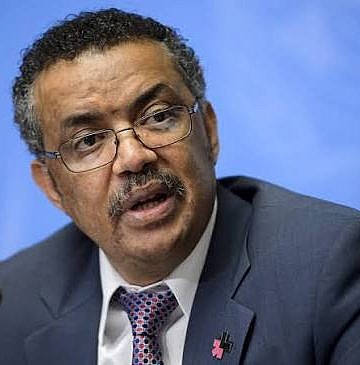

























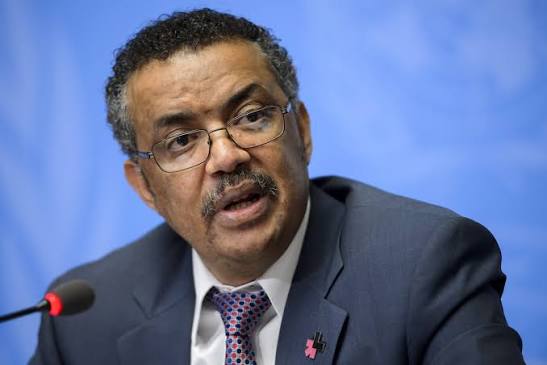
The Director-General of the World Health Organization (WHO), Dr. Tedros Adhanom Ghebreyesus, has praised Uganda’s handling of the ongoing Ebola outbreak, describing the country’s response as swift, coordinated, and effective in slowing potential transmission.
Speaking during his visit to Uganda, Dr. Tedros said health authorities had moved quickly to activate surveillance systems, strengthen screening at points of entry, and reinforce case management capacity across affected regions.
“I am in Uganda, where the government has mounted a prompt and capable response to the outbreak of Ebola,” he said, highlighting what he described as strong preparedness and coordination within the national health system.
He noted that screening at border posts, especially along the Uganda–DRC frontier, has been central in identifying suspected cases early and preventing wider community spread.
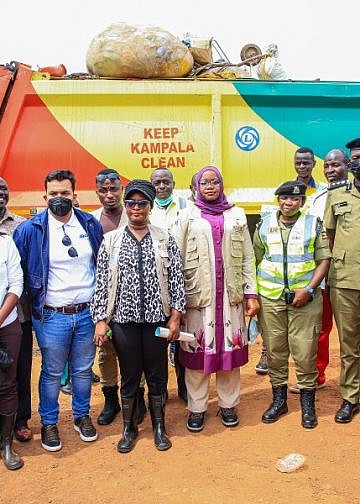
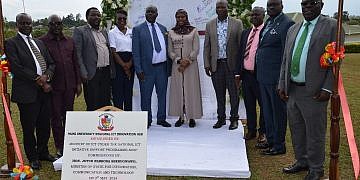
Uganda’s Ministry of Health, working with international partners, has intensified surveillance, testing, and contact tracing efforts as part of the containment strategy. Dr. Tedros said these systems were functioning effectively in supporting early detection and response.
According to WHO figures, Uganda has so far confirmed 19 Ebola cases. Of these, 14 are individuals who entered the country from the Democratic Republic of Congo, while five are Ugandan nationals. Two deaths have been recorded among patients originating from the DRC.
“Sadly, two people from DRC have died, and our thoughts are with their families,” Dr. Tedros said, expressing condolences to those affected.
The WHO chief emphasized that global and regional partners are working closely with Uganda to support ongoing containment measures.
“WHO is supporting Uganda, alongside Africa CDC and partners across the region, as the country leads this response,” he said in a statement shared on X.
Uganda’s response is being reinforced by support from the Africa Centres for Disease Control and Prevention (Africa CDC), which is assisting with surveillance, laboratory testing, case management, and coordination across borders.
Public health experts note that Uganda’s ability to respond quickly is partly rooted in its experience with previous Ebola outbreaks, which have strengthened emergency preparedness systems over the years.
The country has previously faced several outbreaks, including in 2000, 2007, 2012, and 2022, each contributing to improved training, response coordination, and laboratory capacity.
Dr. Tedros expressed confidence that continued cooperation between Uganda and its partners will help bring the outbreak under control.
“With continued collaboration, I am confident this outbreak can be brought under control,” he said.
Health authorities have urged the public to remain alert, report symptoms early, and follow recommended preventive measures as efforts continue to stop further transmission.