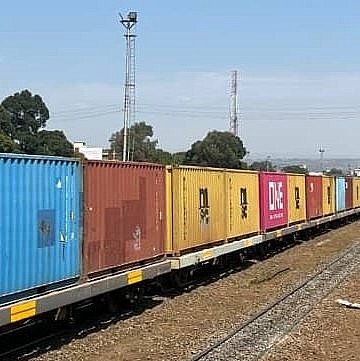









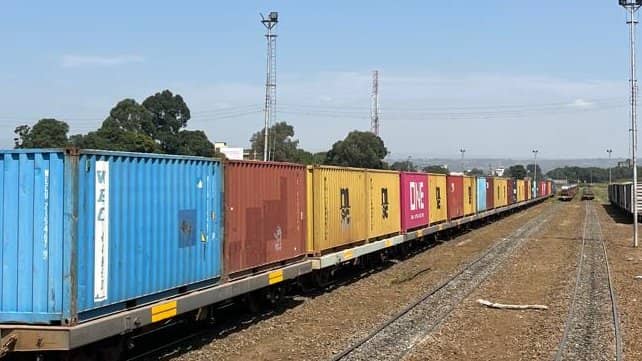
The Uganda Railways Corporation (URC) has resumed transporting coffee exports by rail for the first time in eight years, marking a major milestone in efforts to strengthen Uganda’s export logistics, reduce transport costs and improve the competitiveness of locally produced goods on the international market.
In a statement, URC announced that it had successfully moved its first coffee export consignment by rail to the Port of Mombasa since 2018.
The consignment comprised 29 containers—28 twenty-foot containers and one forty-foot container—with a total weight of 606.6 tonnes of coffee.
URC said transporting the same cargo by road would have required approximately 17 heavy-duty trucks at an estimated cost of about Shs304 million (USD84,500).
However, the entire consignment was transported using a single train at a cost of approximately Shs77.7 million (USD21,570), saving the exporter about Shs226.5 million (USD62,930) in freight costs alone.
“We are pleased to announce that we are now back in the coffee export business, having successfully transported our maiden coffee export consignment by rail. A URC train last made a similar journey to Mombasa in 2018,” the corporation said.
URC noted that transporting cargo by rail also helped reduce pressure on Uganda’s highways by removing about 17 trucks from the roads, while lowering carbon emissions and reducing risks associated with multiple truck movements.
According to the Ministry of Agriculture, Animal Industry and Fisheries, Uganda exported 8.6 million bags of coffee between June 2025 and May 2026, although none of the coffee exported during that period was transported through URC.
The corporation said its return to coffee haulage represents an important step in expanding its cargo portfolio while providing exporters with a more affordable and efficient transport alternative.
“For URC, this marks a welcome return to coffee haulage and a meaningful step in diversifying our cargo portfolio. More importantly, it demonstrates how rail can make Ugandan exports more competitive on the global market while contributing to Uganda’s broader economic development agenda,” the statement said.
The move is expected to support Uganda’s export sector by offering businesses an alternative to road transport and enhancing the role of rail in regional trade.