








Government has unveiled a six-month Food Security and Nutrition Crisis Response Plan for Karamoja, seeking Shs269 billion (approximately US$72.6 million) from development partners to bridge a funding gap and avert worsening food insecurity in the sub-region.
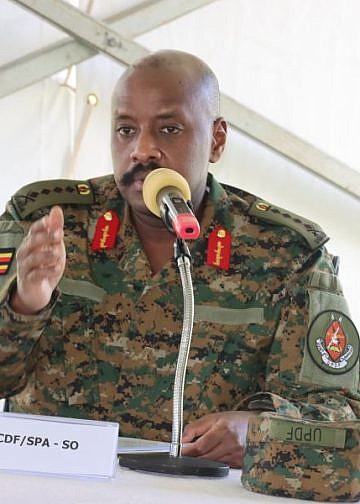
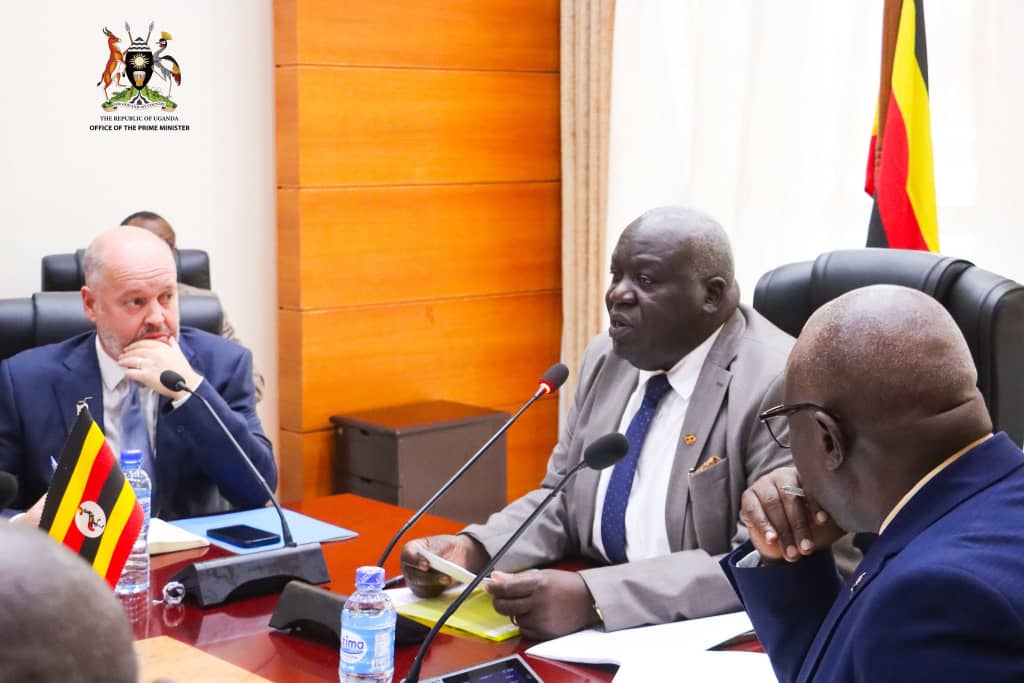
The response plan, estimated to cost Shs312 billion (US$84 million), was unveiled on Wednesday during a meeting of the Karamoja Development Partners Group chaired by the Minister for Relief, Disaster Preparedness and Refugees, Sam Engola, on behalf of Prime Minister Robinah Nabbanja.
The plan is built on six key pillars: coordination, logistics, data and early warning; food assistance, cash and markets; nutrition, health, water, sanitation and hygiene; agriculture, livestock and livelihoods; education and school meals; and governance, cross-border peace-building and protection.
Speaking at the meeting, Engola said joint action between government and development partners was critical to addressing the humanitarian crisis in Karamoja.
“On behalf of the Prime Minister, I chaired the Karamoja Development Partners Group meeting to align regional plans with the Six-Month Food Security and Nutrition Crisis Response Plan. Having seen the suffering in Karamoja firsthand, joint action is critical,” Engola said.
He revealed that about 473,000 people are facing acute food shortages, while more than 30,000 children are suffering from malnutrition following two consecutive failed crop seasons.
According to Engola, the government has already committed Shs45 billion (US$12.16 million) towards the response plan, leaving a funding gap of Shs269 billion (US$72.6 million).
“Government food relief distribution is underway, and we thank partners already on the ground. Moving forward, partners must coordinate directly with government,” he said.
Engola emphasized that while emergency food relief remains essential, long-term investments are needed to end recurring food crises in Karamoja.
“Beyond immediate relief, we must invest in irrigation schemes and grain silos for long-term solutions, without forgetting neighbouring Teso, Lango and Acholi,” he added.
The government says the six-month plan will strengthen ongoing food relief efforts while improving resilience through investments in agriculture, health, education, livelihoods and cross-border peace-building.
Last week, government commenced the distribution of emergency food relief of 9,420 metric tonnes of maize flour and dry beans to 313,987 vulnerable households across 480 parishes in Karamoja’s nine districts.