










Uganda has launched a fresh drive to establish a globally recognised Halal certification ecosystem, a move expected to open new export opportunities for locally produced goods and services in lucrative international markets.
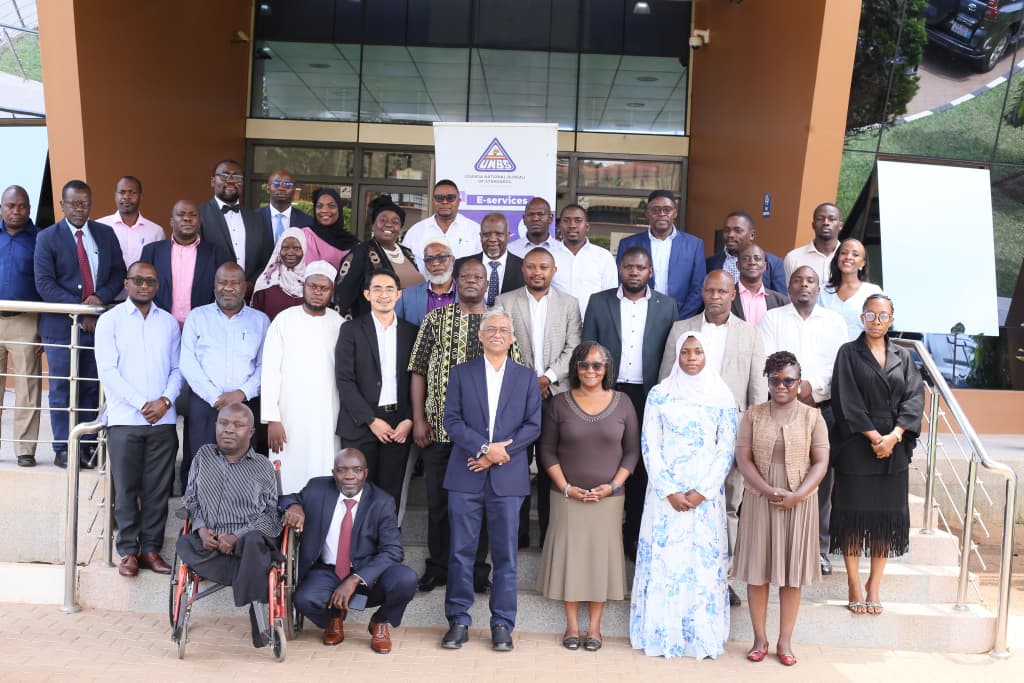
The Uganda National Bureau of Standards (UNBS) on Thursday convened key stakeholders for a national briefing on the Halal Certification Scheme and Ecosystem Assessment, an initiative being undertaken in partnership with Malaysia’s Halal Development Corporation (HDC).
The assessment will evaluate Uganda’s existing Halal certification capacity, identify gaps and strengthen systems needed to meet international standards.
UNBS said the initiative is aimed at building a credible and internationally recognised Halal certification ecosystem that will enable Ugandan products to compete in global markets where Halal certification is a key requirement.
“UNBS convened key stakeholders for a national briefing on the Halal Certification Scheme and Ecosystem Assessment, marking an important step towards establishing a credible and internationally recognised Halal certification ecosystem in Uganda,” the bureau said.
According to UNBS, the partnership with Malaysia’s HDC will help Uganda build on its existing institutions, standards and investments while benefiting from Malaysia’s experience in developing one of the world’s leading Halal ecosystems.
“The initiative seeks to assess Uganda’s existing capabilities, identify gaps and strengthen certification systems to support access to international markets,” UNBS said.
The bureau noted that the growing global demand for Halal-certified products presents significant opportunities for Uganda, particularly in agriculture, food processing, manufacturing, cosmetics, pharmaceuticals and hospitality.
“With growing demand for Halal-certified products, the initiative presents opportunities for export growth, value addition and increased competitiveness across sectors,” UNBS added.
The Halal Assurance Institute Uganda (HAIU) welcomed the initiative, saying a coordinated national Halal quality infrastructure will be essential in helping Ugandan products gain recognition in international markets.
HAIU said the focus should now shift from certification alone to ensuring that certified products can access markets in the Gulf Cooperation Council (GCC), Organisation of Islamic Cooperation (OIC) member states and other global Halal markets.
The institute reaffirmed its commitment to promoting international recognition, mutual recognition arrangements and export-ready Halal assurance systems as Uganda seeks to position itself as a competitive supplier in the expanding global Halal economy.