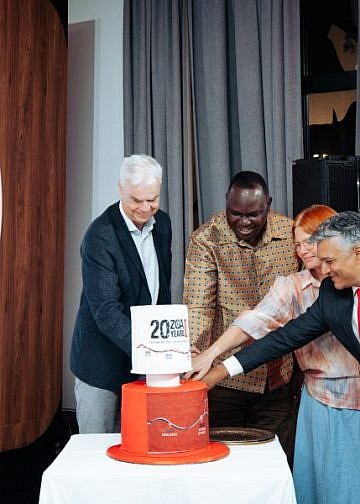








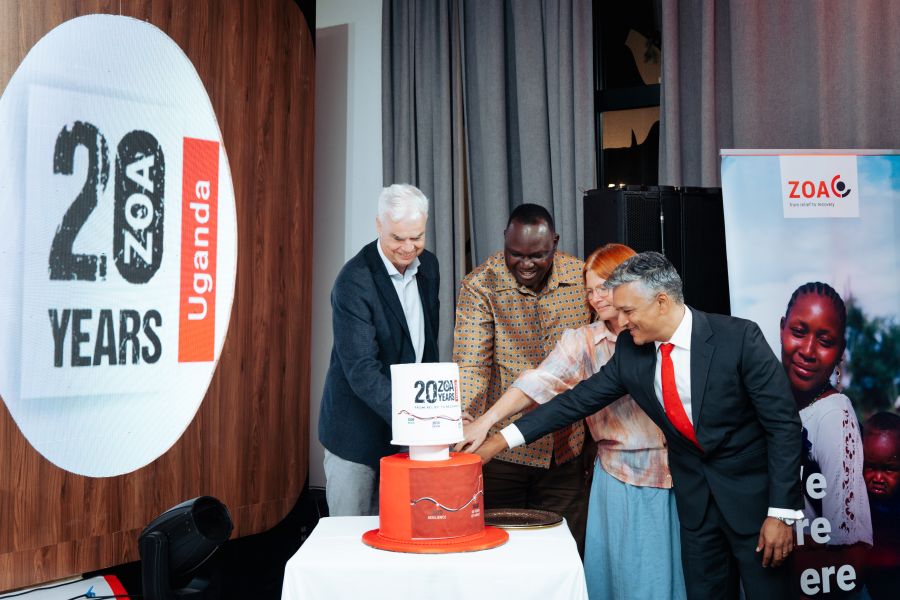
ZOA Uganda is celebrating 20 years of humanitarian and development work in the country, reaffirming its commitment to supporting refugees, host communities and other vulnerable populations to rebuild their lives and achieve sustainable livelihoods.
tHE organisation has worked across West Nile, Acholi, Karamoja and Bunyoro, supporting communities affected by conflict, displacement, poverty and disasters since.
Its programmes focus on food security and livelihoods, education, land rights, and water, sanitation and hygiene.
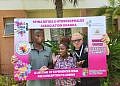
The anniversary celebrations in Kampala brought together ZOA staff, partners and stakeholders, including Chris Lukkien, Chief Executive Officer of ZOA International, who travelled to Uganda to mark the milestone and visit project areas to assess the impact of the organisation’s interventions.
Other stakeholders represented included officials from the Ministry responsible for disaster preparedness and refugees, the Embassy of the Kingdom of the Netherlands, and development partners.
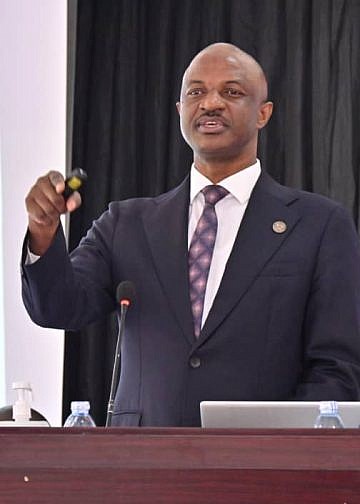
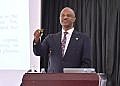
Speaking at the anniversary dinner, Dr John Panga, Country Director of ZOA Uganda, said the milestone reflected two decades of transforming lives, strengthening partnerships and building resilience among vulnerable communities.
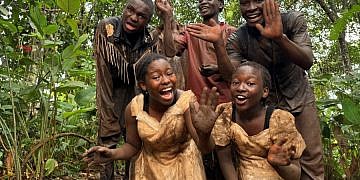
“Behind our achievements are people whose lives have been touched by our work: children accessing education, families strengthening their livelihoods, communities securing their land rights and access to clean water, and individuals rebuilding their lives with dignity and hope,” Dr Panga said.
He added that the organisation’s work over the past two decades had focused on helping communities overcome challenges and build a foundation for a more secure and sustainable future.
The anniversary comes as Uganda continues to host more than two million refugees, highlighting the need for sustained humanitarian assistance alongside long-term recovery efforts that promote self-reliance and economic independence.
ZOA Uganda said it would continue working with refugees and host communities to address immediate needs while supporting programmes that enable people to develop sustainable livelihoods and improve their living conditions.
Looking ahead, the organisation’s planned 2027–2030 strategic direction will prioritise continued support for refugees and host communities, expanded engagement in Karamoja, stronger land rights and governance, community-led anticipatory action, and deeper partnerships with local organisations and government institutions.