










The Ministry of Water and Environment has urged Ugandans to take precautionary measures ahead of heavy rains expected to last through the March–April–May (MAM) season, warning that flash floods, landslides, and urban disruptions could affect multiple regions.
The ministry’s advisory indicates that western, central, and eastern Uganda are likely to experience above-normal rainfall, with particularly intense downpours forecasted in the Lake Victoria basin, as well as the Elgon and Bukedi sub-regions.
Dr. Alfred Okidi Okot, Permanent Secretary at the ministry, emphasized that while the rains present agricultural opportunities, they also pose significant risks.
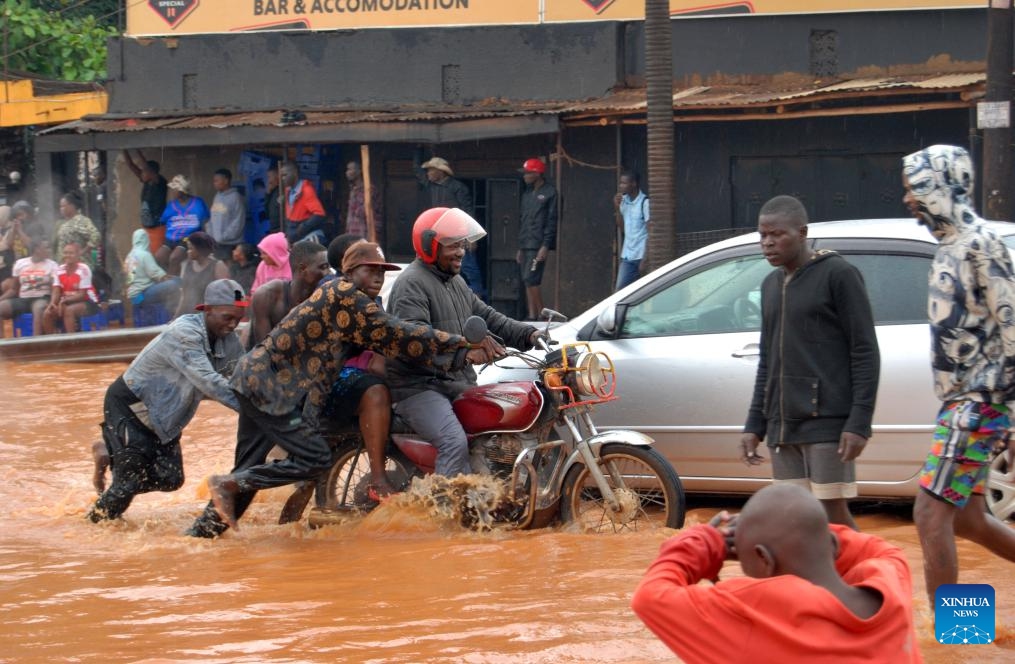
“Low-lying and flood-prone communities face heightened risks of flash floods, while mountainous areas, especially around Mount Elgon, may experience landslides due to saturated soils,” Dr. Okidi said. He further warned that urban centres, including Kampala, could see traffic disruptions, flooded roads, and interruptions to business operations. Strong winds accompanying storms could damage temporary structures, uproot trees, and affect power supply.
Safety and Preparedness Measures
Residents in vulnerable areas have been advised to clear drainage channels, avoid building in wetlands, and refrain from crossing flooded roads or bridges. District and community-level disaster management committees are encouraged to activate response and preparedness plans.
Motorists are cautioned to drive carefully during downpours, while parents and school administrators are urged to safeguard learners in flood-prone districts. Local leaders are called upon to sensitize communities about early warning systems and evacuation procedures where necessary.
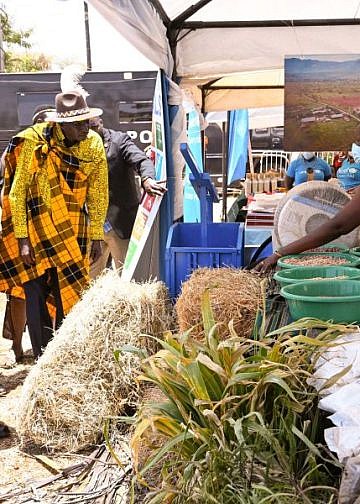
Despite the risks, the rains are expected to improve soil moisture, benefiting crop establishment and pasture regeneration, particularly in areas that experienced dry spells. Experts advise timely planting and proper soil conservation practices to maximize yields while minimizing erosion and waterlogging.
Uganda’s March–May rainy season is a critical agricultural period but has historically been associated with flooding and landslides in vulnerable districts. Government officials stress that vigilance, public awareness, and coordinated response efforts are key to mitigating potential losses and ensuring the rains support agricultural productivity and economic activity.