











Civil society organisations have supported government’s proposal to increase taxes on alcohol and sports betting, saying the move will help raise revenue to fund Uganda’s struggling health sector.
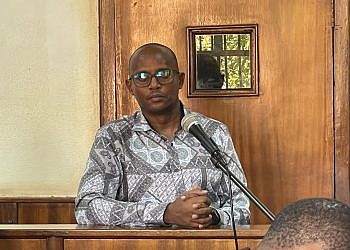
Appearing before Parliament’s Finance Committee, Moses Tahibita, a Legal Officer at the Uganda National Health Consumers Organization, said the proposal would also help reduce harmful consumption.
“We appreciate this very proposal because it factors in various taxing strategies that indeed translate to mitigating on the side effects of accessing alcohol because it makes it expensive, it supports government generating revenue, it also responds to prices and of course also inflation,” Tahibita said.
He urged government to go further and increase taxes on alcohol annually.
“We call on government to impose these taxes annually that funding, if earmarked, will propose alternative funding mechanisms for the health sector including financing national health insurance,” he added.
Tahibita also supported taxing alcohol imports to protect local producers but warned that all alcohol, regardless of origin, is harmful.
“We support the proposal very much aware that there is also Article 23 of the Constitution because we have seen a lot of mental health cases and people seeking specialised health care which is too expensive,” he noted.
The Tax Justice Alliance Uganda also backed increased taxes on sugar, citing rising cases of non-communicable diseases.
“We have also been informed of the increasing cases of paediatric dental caries people now no longer look at drinking tea in the morning, they are drinking all these fizzy sodas So, we are supporting the increment,” Tahibita said.
Meanwhile, Kennedy Oluma, a member of the Uganda Parliamentary Network on Illicit Financial Flows, supported a proposal in the Lotteries and Gaming (Amendment) Bill, 2026 to increase taxes on gaming earnings from 20% to 30%.
“We think that this increase… will be able to discourage many of our young people from going into betting and reduce our spending in the health sector,” Oluma said.
On the energy sector, Aloysius Kittengo of SEATINI-Uganda asked Parliament to reject a proposal to extend a tax waiver for Bujagali Electricity Limited.
“We request the committee to reject the proposal There is a need to have a cost benefit analysis,” Kittengo said.
His colleague, Herbert Kafeero, warned about Uganda’s rising public debt, which he said had grown significantly by December 2025.
“This is largely driven by increased domestic borrowing domestic debt interest payments stood at over 22% of total revenue thus crowding out other budgetary spending,” Kafeero explained.
Civil society groups also supported higher taxes on cooking oil, citing health risks linked to substandard products.
“We are also aware that on the market there are oils that are very substandard… while the high-quality ones are too expensive we think a broader approach is better,” Tahibita said.
The proposals are part of the 2026 Tax Bills tabled by the Ministry of Finance, aimed at increasing domestic revenue while addressing public health concerns.