








Rising demand for mobile data helped lift Airtel Uganda’s profit after tax by 13.9% to Shs224.7 billion in the first half of 2026, as growing internet usage and an expanding customer base strengthened the telecom operator’s revenues.
Data revenue increased 16.1% to Shs610.6 billion in the six months ended June 30, 2026, making it the company’s fastest-growing major revenue stream.
The growth came as Airtel Uganda’s data customer base expanded by 18.8% to 8.9 million, while data usage per customer increased by 21% to 7.2GB. Overall data traffic across the network surged by 42.1% during the period.
The company’s total customer base also grew by 10% to 19.7 million, providing a larger base of subscribers consuming data and other telecom services.
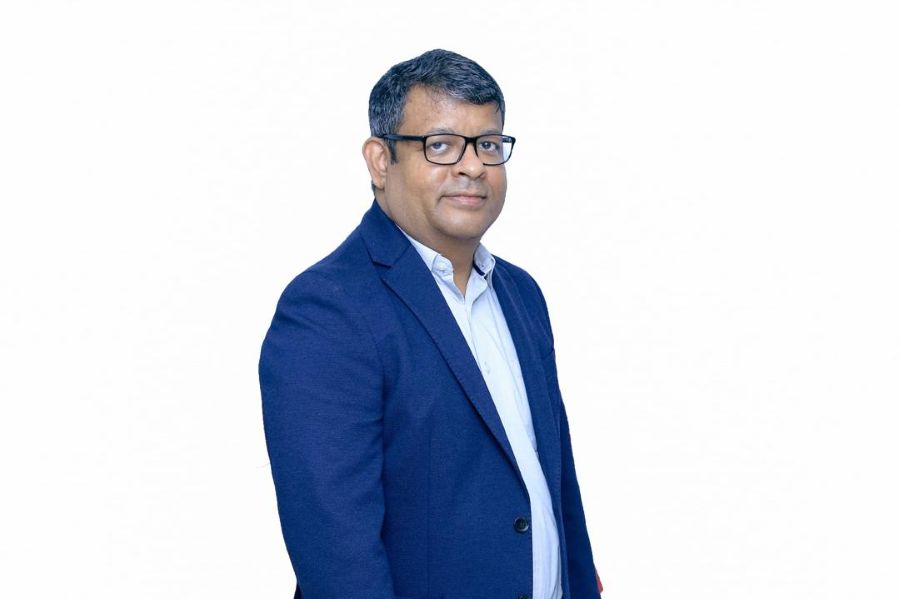
Airtel Uganda Managing Director and CEO Soumendra Sahu said the company’s performance reflected the continued shift towards digital services.
“Data revenue grew 16.1% on the backdrop of our strong performance in the Home Broadband segment where we strengthened our go-to-market strategy, and an 18.8% growth in Data customers for the period.”
The strong data performance helped push Airtel Uganda’s total revenue up 10.2% to Shs1.1949 trillion, despite pressure from lower interconnect rates and the temporary shutdown of internet services during Uganda’s January 2026 general elections.
Voice revenue grew by 6.6% during the period, supported by the 10% increase in the overall customer base.
The rise in data consumption coincided with increased smartphone adoption among Airtel customers.
Smartphone penetration increased by 676 basis points to 46.6%, creating a larger pool of customers able to access mobile internet services.
The company’s data traffic growth of 42.1% significantly outpaced overall customer growth, indicating that existing customers are also consuming more internet services.
Data usage per customer rose from the previous period to 7.2GB, while the number of data customers increased to 8.9 million.
However, higher usage did not translate into higher average revenue per user. Overall ARPU declined marginally by 0.5%, with data ARPU falling 1.1%.
Airtel attributed the decline partly to the disruption of internet services during the election period.
Airtel Uganda is responding to rising data consumption with increased investment in network capacity.
Capital expenditure rose 82.9% to Shs160.5 billion during the six-month period, compared with Shs87.8 billion in the first half of 2025.
The company deployed 494 additional 4G sites, 384 5G sites and 1,621 kilometres of fibre during the period.
By June 30, all Airtel Uganda sites were 4G-enabled, while the company had expanded its 5G network to 584 sites across key cities.
Sahu said network investment remained central to the company’s efforts to meet changing customer needs.
“We remained focused on enhancing customer experience through broader network coverage, improved service quality and products tailored to evolving customer needs.”
Airtel also extended broadband services to more than 57,000 homes and small businesses, a 64% increase during the period.
The company has additionally secured regulatory approval and is testing Direct-to-Cell technology in partnership with Starlink, as it explores satellite connectivity to expand its reach to areas not adequately served by conventional infrastructure.
The increase in data-led revenue helped Airtel Uganda grow its earnings before interest, tax, depreciation and amortisation (EBITDA) by 13.4% to Shs643.5 billion.
The EBITDA margin improved to 53.9%, up from 52.3% a year earlier, supported by operating growth and cost-efficiency programmes.
Profit after tax subsequently rose 13.9% to Shs224.7 billion, with the PAT margin improving from 18.2% to 18.8%.
The improvement came despite higher finance costs, which the company attributed mainly to adverse exchange-rate movements and increased interest on lease liabilities linked to its network rollout.
The improved profitability has allowed Airtel Uganda to increase shareholder returns.
The Board declared an interim dividend of Shs3.1 per share, equivalent to Shs124 billion, for the quarter ended June 30.
This brings total dividends for the first half of 2026 to Shs4.90 per share, or Shs196 billion, representing a 12.6% increase year-on-year.
The company’s leverage also improved to 1.5 times from 1.7 times, reflecting stronger EBITDA.
Sahu said Airtel Uganda remains optimistic about the country’s economic prospects and the opportunities presented by increasing digital adoption.
“The first half of 2026 was marked by continued resilience and growing confidence in Uganda’s economy amid a challenging global environment.”
He said the company would continue investing in its network and services as demand for digital connectivity grows.
“We will continue to invest in network excellence, innovation and customer experience to support sustainable growth and create long-term value for all stakeholders.”
The first-half results suggest that data is increasingly becoming the engine of Airtel Uganda’s growth, with rising smartphone penetration, greater data consumption and expanding broadband adoption helping the company grow revenues and profits even as traditional voice economics face pressure from lower interconnect rates.