




Government has been urged to strengthen access to healthcare, education, employment and economic opportunities for persons of short stature amid persistent discrimination and barriers to essential public services.
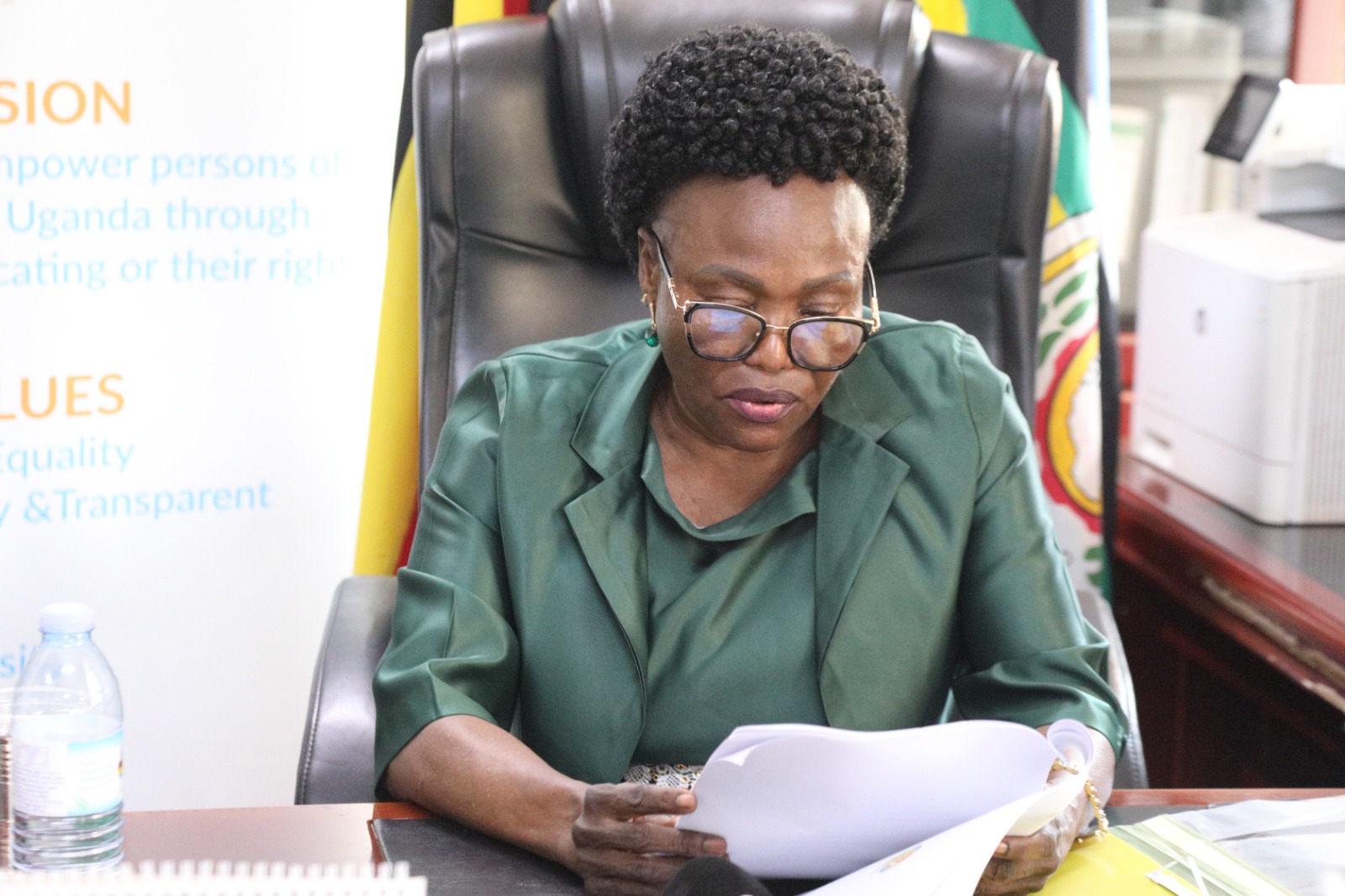
Joyce Acan Okeny, the Minister of State for Disability Affairs in the Ministry of Gender, Labour and Social Development, said persons of short stature continue to face significant challenges despite existing laws and government programmes intended to protect their rights and promote inclusion.
Speaking ahead of the International Day of Little Persons, scheduled for Tuesday, October 27, 2026, at Kyambogo University Auditorium, Acan called for practical measures to protect the dignity of persons of short stature and support their independence and full participation in society.
“However, dwarfism does not define a person’s abilities, ambitions or contribution. Persons of short stature pursue education, work, raise families, participate in public life and contribute to their communities,” Acan said.
The commemoration will be held under the theme, “Raising Awareness about Dwarfism and Promoting Inclusion of Persons of Short Stature in Uganda.”
Acan said some health facilities lack appropriate equipment and trained personnel to meet the specific needs of persons of short stature. She noted that inaccessible examination tables and delivery beds can make healthcare difficult and, in some circumstances, unsafe.
She also highlighted challenges faced by learners, saying some experience bullying and discrimination in schools and study in environments that do not adequately accommodate their physical needs.
“Schools and training institutions should provide reasonable accommodations, prevent and address bullying, and ensure admission and assessment procedures do not unfairly disadvantage learners with short limbs or other physical differences,” she said.
The minister called for targeted scholarships, accessible vocational training and employment support to help persons of short stature acquire skills, secure jobs and become economically independent.
She urged employers to assess applicants on the basis of their qualifications and experience rather than their physical appearance, while providing reasonable workplace adjustments where necessary.
On economic empowerment, Acan said some persons of short stature face difficulties accessing livelihood programmes because of requirements such as land titles for collateral, formal business registration and other conditions that may not reflect their circumstances.
She called for improved accessibility in public buildings, transport systems, financial services and other public facilities, noting that high counters, automated teller machines and service windows can limit the independence of people with short stature.
Acan said the government had programmes to support persons with disabilities, including the National Special Grant, disability-inclusive allocations under the Parish Development Model, vocational training and start-up support for trained young people.
She also cited the National Child Disability Assistance Programme, which provides social care support, assistive devices and monthly grants to eligible families of children with severe disabilities who require permanent care.
However, she called for improved data collection and research to establish whether persons of short stature were benefiting from these programmes and identify gaps requiring further intervention.
The call for greater inclusion comes amid concerns that some musicians, comedians and other content creators use persons of short stature in material that demeans them for entertainment and financial gain.
Joel Kawanguzi, the programmes officer at the Foundation of Persons Affected by Dwarfism in Uganda, criticised content that portrays persons of short stature in degrading ways rather than recognising their abilities and contributions.
“Musicians like Gravity Omutujju and comedians like the Amarula Family use persons of short stature in content that demeans them. We need music that can uplift people and leave a lasting positive impact,” Kawanguzi said.
He called on the government to invest in research to better understand dwarfism and strengthen support for persons of short stature through education, business financing and other economic empowerment programmes.
Kawanguzi said persons of short stature pay taxes and participate in elections but continue to face barriers to opportunities and services available to other Ugandans.
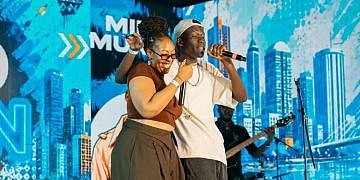
Sarah Short, a musician and person of short stature, said some artists feature people of short stature in their videos because they need money, even when the content undermines their dignity.
“I see many artists use little persons in their videos not because they want to but because they need money. They accept to be used, but we don’t feel well,” Short said.
She added that she sometimes turns down bookings when she believes she will be used merely to make audiences laugh at her expense.
“I don’t like being put down, so I refuse,” she said.
Short also appealed to parents to support children of short stature, warning that stigma and discrimination from teachers and fellow learners can discourage them from pursuing education.
Joel Musana, executive director of the Foundation of Persons Affected by Dwarfism, has called on Ugandans to attend the national commemoration at Kyambogo University Auditorium on Tuesday, October 27, 2026.
The event will feature speeches, cultural performances, educational sessions on dwarfism and disability rights, panel discussions, success stories, peer-support activities, arts and cultural exhibitions, media engagements and the launch of an informational booklet on dwarfism.
The commemoration aims to raise awareness about dwarfism, challenge misconceptions and promote the rights, dignity and contributions of persons of short stature.
Acan urged government institutions, employers, educators, media organisations, development partners and members of the public to work towards a society in which persons of short stature can access services and opportunities without discrimination.
“Awareness must lead to action, accessible services, equal opportunities, respectful treatment and the meaningful participation of persons of short stature,” she said.