










Health experts, parents, and advocates have called on the government to prioritize food fortification with folic acid and include Oxybutynin, a key drug for managing Spina Bifida and Hydrocephalus, on the list of essential medicines in Uganda.
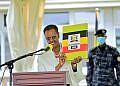
The appeal was made during the commemoration of World Spina Bifida and Hydrocephalus Day held Thursday at Silver Springs Hotel, Bugolobi, under the theme “Accelerating Action for Spina Bifida and Hydrocephalus in Uganda.”
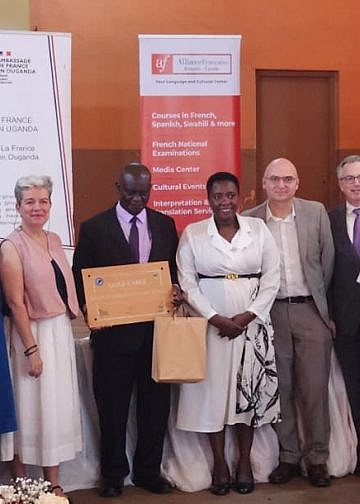
The event brought together government officials, parents, medical professionals, and development partners to raise awareness about the two lifelong conditions that continue to affect thousands of Ugandan children.
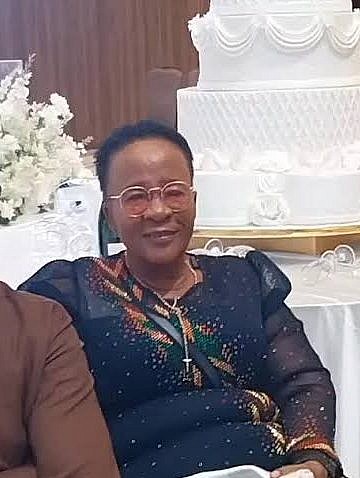
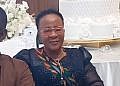
Phoebe Mutonyi, the Chairperson of the Spina Bifida and Hydrocephalus Association of Uganda (SHAU), urged the government to intensify oversight of food fortification as a preventive measure.
“In every 10,000 children, at least one is born with Spina Bifida and Hydrocephalus. We know this condition can be prevented if our foods contain enough folic acid. The problem is that the foods we eat are not sufficiently fortified. We are calling upon the responsible ministries to take this as a serious issue and ensure that fortified foods truly meet the standards,” she said.
She further appealed to government to recognize Oxybutynin a drug vital for managing urinary complications among affected children as an essential medicine.
“Our children depend on donor supplies for Oxybutynin. Suppose tomorrow donors withdraw what happens to them? We want government to include it among essential drugs so that it is available in all health facilities,” she added.
Representing the Ministry of Health, Dr. George Upenytho, the Commissioner for Health Services and Community Health, acknowledged the rising burden of disability-related conditions and revealed that government is developing a new framework to strengthen prevention, rehabilitation, and assistive support.
“The Ministry of Health has developed the Rehabilitation and Assistive Technology Strategic Plan (2025–2031) to address prevention, care, and rehabilitation of lifelong conditions such as Spina Bifida and Hydrocephalus,” Dr. Upenytho said.
“Even when treatment is given, these conditions are not completely curable. That’s why rehabilitation, assistive devices, and continuous care are essential.”
He also disclosed that public facilities managing these cases — including Mulago National Referral Hospital and Mbarara Regional Referral Hospital — will continue receiving government-supplied medicines and equipment through the National Medical Stores.
Nurse Tonny Wambi from CURE Children’s Hospital in Mbale one of Uganda’s leading centers for pediatric neurosurgery shared alarming statistics.
“From January to September alone, we performed 217 surgeries for Spina Bifida and 1,200 for Hydrocephalus,” Wambi revealed.
“The numbers are going up, and that means awareness and prevention must increase.”
She appealed for increased government support to specialized hospitals and for Oxybutynin to be added to the essential medicines list.
“This drug helps relax the bladder in children affected by Spina Bifida. Without it, they suffer incontinence and kidney damage,” she explained. “Including it among essential drugs would greatly improve their quality of life.”
For parents like Consepta Naluyima, who is raising a child with Spina Bifida, the journey is both emotional and financially draining.
She recounted how her child’s condition was mishandled from birth due to lack of awareness.
“When I gave birth, doctors saw the condition during pregnancy but never told me,” Naluyima said tearfully.
“After delivery, my baby was hidden from me for three days until a visiting doctor recognized it as Spina Bifida and referred us to Mbale CURE Hospital.”
Since then, she has endured multiple surgeries and daily medical routines to keep her child alive.
“I use catheters six times a day to help my child urinate. I have to stay very clean to avoid infections. It’s expensive and exhausting, but I can’t give up,” she said.
“The drug Oxybutynin is not available in Uganda. We get it from Belgium through donors, but some mothers can’t travel long distances to access it. Government should make it available here.”
She also urged communities to support families raising children with disabilities rather than stigmatizing them.
“Many fathers abandon us, but mothers must stand strong,” she said. “Communities should accept these children — we don’t plan for them, but they deserve to live meaningful lives.”
According to the Ministry of Health, Spina Bifida and Hydrocephalus remain among the leading causes of lifelong disability in children.
While Uganda has made progress in early diagnosis and surgical intervention, prevention through folic acid fortification, public awareness, and essential drug access remains a major gap.
Stakeholders at the commemoration agreed that sustained government commitment and stronger community engagement are key to ensuring that no child is left behind.
“Poverty and disability should never define the value of a person,” Mutoni added.
“By taking bold action now, we can save thousands of lives and restore dignity to families across Uganda.”