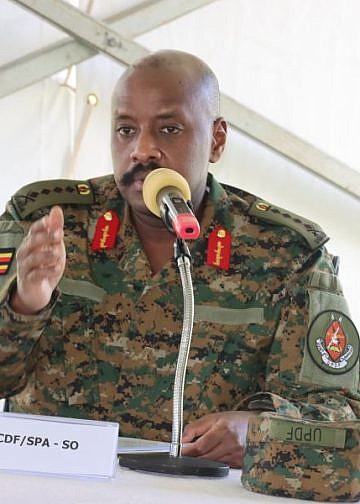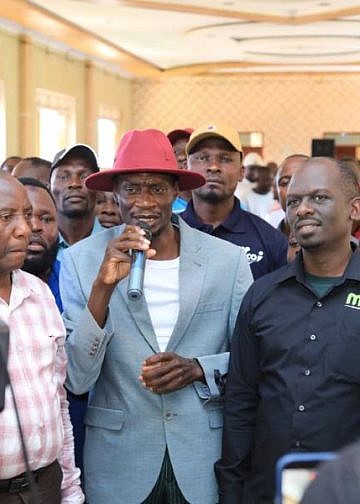









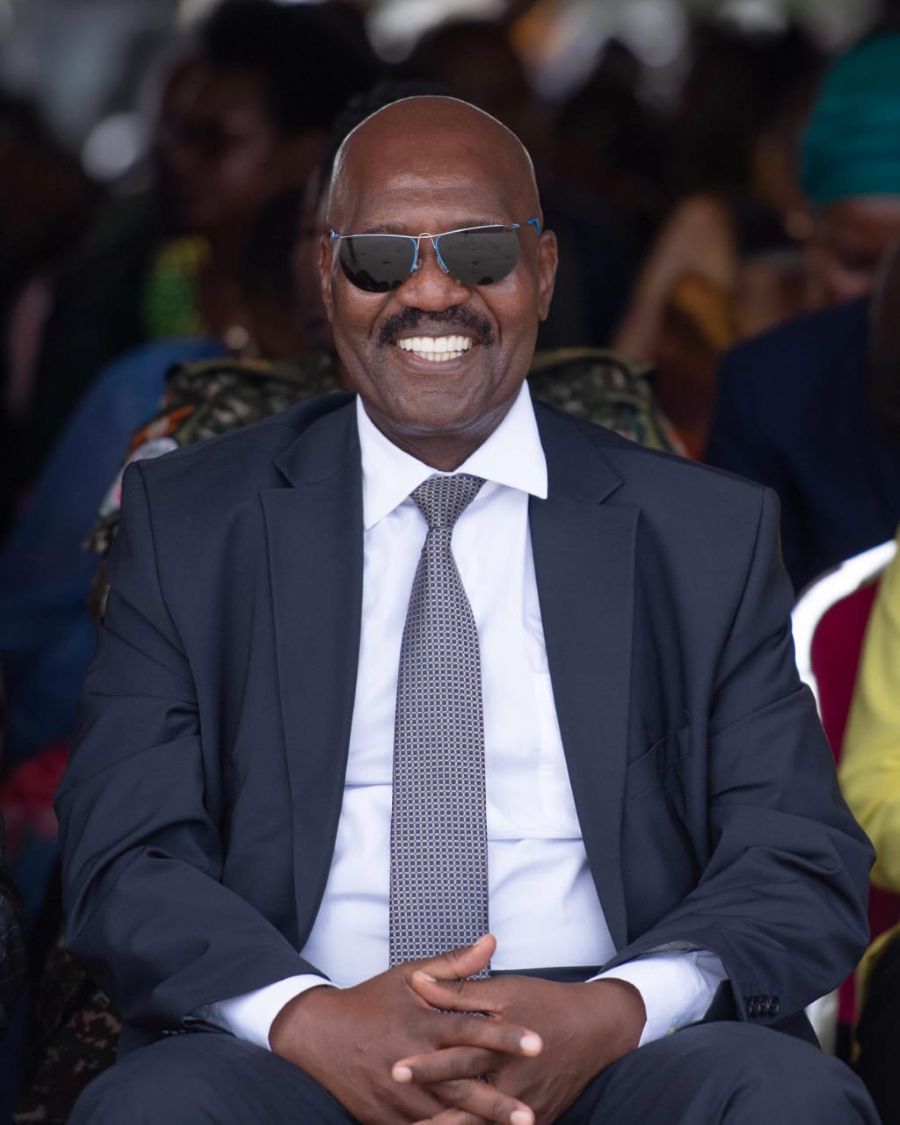
Retired Colonel Samson Mande, a former bush war fighter who recently returned home after 24 years in exile, has shared the story behind his departure, his reconciliation with President Museveni, and his reflections on Uganda’s political and governance landscape.
Speaking during an interview on Sanyuka TV, Col. Mande revealed that he fled Uganda in 2003 following what he described as a wrongful arrest and torture over alleged corruption while serving at the Ugandan Embassy in Tanzania.
“I was working in the Embassy in Tanzania when my bosses back home embezzled money. I was wrongly accused, arrested, and tortured without trial until 2003, when I decided to leave the country through Rwanda and later settled in Sweden,” Mande recounted.
He said that during his time in Tanzania, he had raised concerns to his superiors after Tanzanian officials warned that UPDF funds were being misused. When auditors investigated, they confirmed that money had been diverted into personal accounts, but Mande was blamed and detained.
Life in Exile and Spiritual Transformation
While in exile, Col. Mande said he focused on furthering his education and strengthening his faith, describing the period as one of deep reflection and personal transformation.
“During exile, I went for further studies and became a believer. That helped me calm down and get revelations about returning home. Every day, I thought about how and when to return,” he said.
Reconnecting with the President
Mande narrated that his eventual return was initiated by a chance encounter with a young man from his home village who offered to connect him directly with President Museveni.
“He asked if he could tell the president that I wanted to return. I accepted. He later put me on phone with President Museveni. The President asked if I wanted to return home, and I said yes. Two days to this year’s Independence Day, I was back home,” Mande shared.
He commended the President’s humility and readiness to reconcile but expressed concern about individuals around the Head of State who, he said, have alienated him from the people.
“President Museveni is a good person who listens, but some of the people around him have made him fall out with others,” Mande noted, adding that the President had reviewed his file and understood his situation before welcoming him back.
The former commander, who once supported Dr. Kizza Besigye’s Reform Agenda and later the People Power movement, said he has grown disillusioned with Uganda’s political parties, arguing that pressure groups are better vehicles for transformation.
“The solution for political change is not through political parties but pressure groups,” he said. “Even President Museveni is not happy; you’ve heard him complain about corruption and vote rigging. I don’t see capacity in NUP, FDC, or other parties to create change when they cannot even unite among themselves.”
He clarified that his criticism is not personal toward the President but directed at the governance system.
“I’m not critical of the President; I’m critical about the governance,” Mande explained.
Reflections on Uganda’s Progress
Having returned after more than two decades, Mande expressed admiration for Uganda’s visible progress, particularly in education and infrastructure development, though he noted there is still room for improvement.
“Let’s credit President Museveni — children have studied, the population has grown, and there’s steady progress. The Uganda we aspired for is in progress,” he observed.
He also praised the Uganda People’s Defence Forces (UPDF) for its professionalism and positive engagement with the public.
“The current army is professional, educated, and respected. It protects Uganda and even maintains peace abroad,” Mande said.
Now back in Uganda, Col. Mande said he hopes to contribute to community development and national transformation, aligning with initiatives such as the Parish Development Model (PDM).
“I have studied and know solutions on how to develop communities. That’s what I ask to help the President,” he said, adding that he is ready to offer consultancy services to the UPDF and the private sector.
Despite the painful memories of his time in exile, Mande described his homecoming as deeply emotional.
“When I landed on Ugandan soil after 24 years, I even shed tears,” he said.