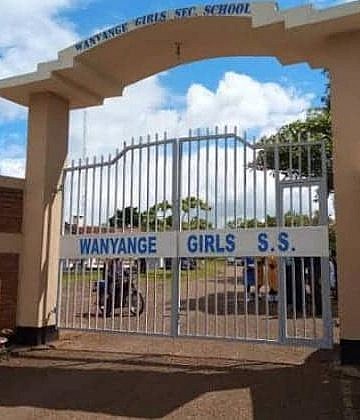









The government of Iceland has approved a Shs29.6 billion (USD 8 million) grant to support infrastructure development in Namayingo, Kwania and Amolatar, with a focus on construction of schools, water and sanitation projects.
The funding will be implemented over the 2026–2028 period, as Iceland resumes its development cooperation with Uganda.
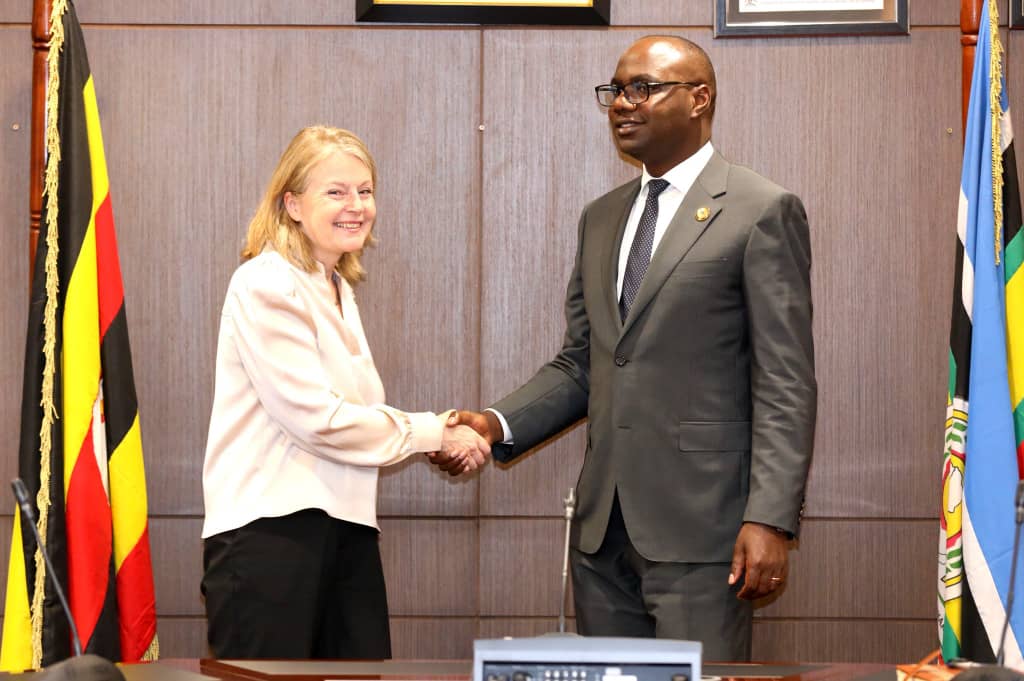
Iceland’s Head of Mission in Kampala, Katrín Einarsdóttir, revealed the commitment during a meeting with Finance Minister Henry Musasizi at the Ministry of Finance.
The grant is expected to improve access to education and safe water in the three districts, particularly through the construction and improvement of education infrastructure and water and sanitation facilities.
Einarsdóttir said Iceland was ready to continue supporting Uganda, particularly in areas that can improve the wellbeing and prospects of future generations.
She, however, stressed the importance of accountability in the use of the funds, saying clear financial oversight and the quality of programmes to be implemented would be critical.
She said this was important “for purposes of being accountable to the taxpayers in Iceland.”
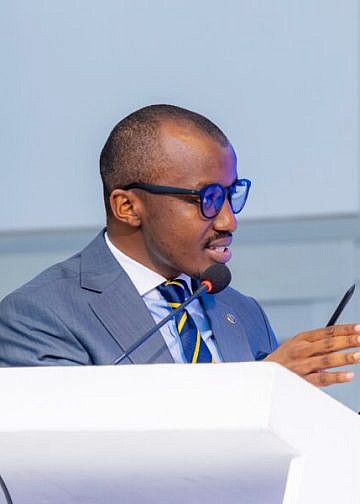
Musasizi welcomed Einarsdóttir to Uganda and thanked the Icelandic Government for its longstanding support to the country, particularly in Kalangala, Buikwe and Namayingo.
He said Uganda has already defined its economic ambitions for the next 15 years through the Tenfold Growth Strategy, and urged Iceland to support sectors identified as key to achieving that transformation.
“We want you to attract foreign direct investments and tourists, support value addition and innovations. Promote Uganda as the best investment destination,” Musasizi said.
He also welcomed Iceland to support what he described as the anchor sectors of the economy and their enablers, as Uganda seeks to accelerate economic growth and create more opportunities for its population.
The Icelandic mission said the renewed cooperation would focus on programmes capable of delivering lasting benefits, with education, water and sanitation among the key areas of support.