











Insurance companies and brokers have been urged to prepare for major shifts in the business environment as artificial intelligence (AI), new labour laws, rising living costs and competition for skilled talent continue to reshape the insurance sector.
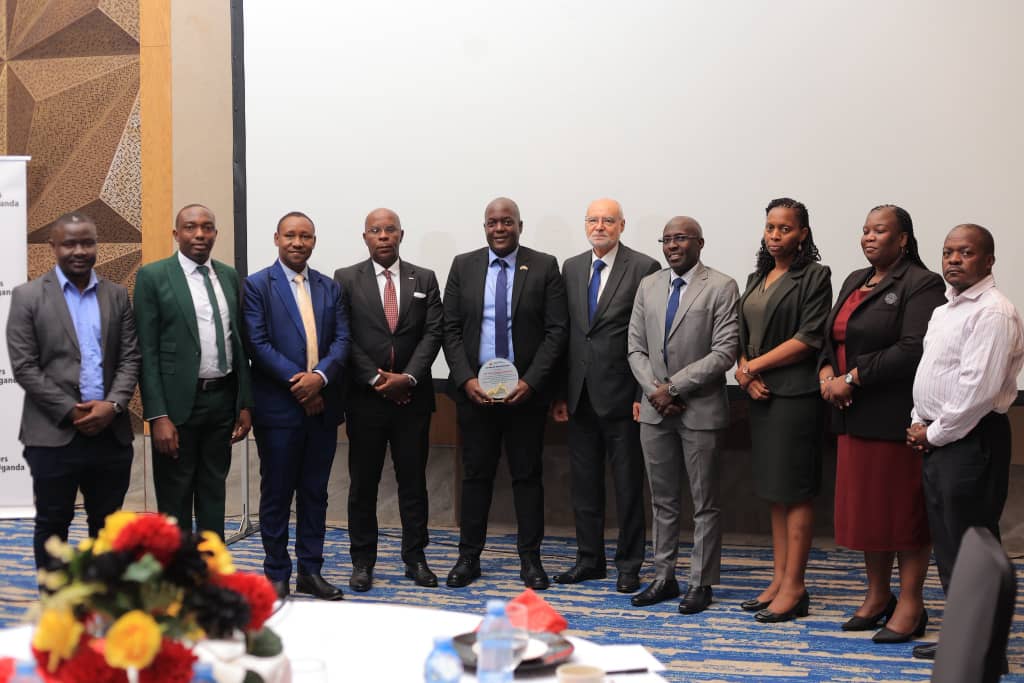
The call was made during the Insurance Brokers Association of Uganda (IBAU) CEO Breakfast Meeting, sponsored by MiRAi Insurance, held on Wednesday at Four Points by Sheraton Kampala, where industry leaders discussed the theme “Human Resource Trends: What is Keeping Business Leaders Awake.”
Human Resource Managers’ Association of Uganda President Paul Rumanda Rugambwa said insurance companies must look beyond investing in technology and ensure their workforce has the skills needed to adapt to a rapidly changing business environment.
“AI is coming to improve our workforce. AI is coming to make us more effective and more efficient. As insurers, you are looking at how fast you can assess your risks and how fast your actuaries can determine premiums, but the question is, are your people ready? Do they have the right skills?” Rugambwa said.
He cautioned organisations against rushing to adopt AI solutions without first identifying the specific challenges they intend to address.
“We are rushing to buy these tools, but we are not answering the question of what problem we are trying to solve. The software is the easy part; the change, because it is people who are going to use the software, is the harder part,” he said.
Rugambwa also highlighted the growing skills mismatch in Uganda’s labour market, where employers receive numerous applications but still struggle to find candidates with the right expertise.
“For every one position we advertise, we get at least 100 applicants. We are not short of people; we are short of the skills we are looking for,” he said.
He further warned that rising household expenses could affect insurance penetration as consumers prioritise essential needs over long-term financial protection.
“When people have to spend more on transport and food, they may stop buying insurance or default on their insurance plans,” Rugambwa added.
Mirai Insurance Chief Executive Officer Joseph Nsubuga said the evolving business environment makes stronger collaboration between insurers and brokers increasingly important.
“As MiRAi, we see brokers as very important stakeholders because they contribute a big portion of our gross written premiums. We have the insurance solutions, but the brokers have the clients we are targeting. In order for us to get to those clients, we have to go through the brokers,” Nsubuga said.
He noted that technology should be used to enhance human expertise rather than replace it.
“There are a number of changes in the country and worldwide, and one of them is AI. We need to see how we can have a blend of AI and people as well. AI cannot work alone. We need people to work on the AI tools, so we cannot dispense with people,” he said.
IBAU Chief Executive Officer Christopher Kamugisha said the meeting had highlighted the need for insurance firms to adjust to changing legal and operational demands.
“We have noticed that so much is going to change in how we employ people and how we manage employees. We are going to arrange separate training for our members because we want to ensure we are not caught on the wrong side of the law,” Kamugisha said.
He reaffirmed IBAU’s commitment to strengthening the insurance sector through partnerships, training and increased public awareness.
“We are intent on spreading the gospel of insurance. We are intent on creating a lot of awareness and collaborations. We are working with the regulator, the Insurance Training College and other industry stakeholders to provide value for our members and grow the insurance industry as a whole,” he said.
The breakfast meeting brought together insurance executives, brokers and other industry stakeholders to discuss emerging risks, regulatory changes, operational efficiency and partnerships aimed at strengthening Uganda’s insurance sector.