









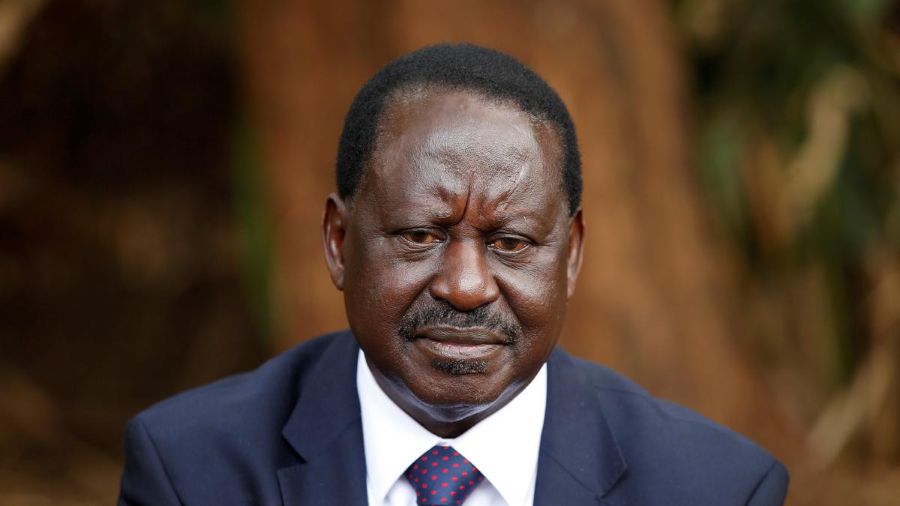
Former Prime Minister of Kenya and presidential candidate, Raila Odinga has died in India.
According to reports, Odinga arrived at Koothattukulam in Kerala’s Ernakulam district for Ayurvedic treatment but died following a cardiac arrest.
“Odinga collapsed during a morning walk within the premises of the Ayurvedic facility and was rushed to a private hospital in Koothattukulam, where he was pronounced dead around 9.52 am,” one of the publications in India reported.
Reports said Odinga’s daughter and relatives were with him.
Quoting police, the publication said said his body is currently kept at the hospital.
Raila Odinga was first appointed as Prime Minister in 2008 following a disputed presidential election and a subsequent power-sharing agreement between his party and that of his rival, then-President Mwai Kibaki.
Throughout his career, Odinga’s focus was on issues of social justice, electoral reform, and equity for Kenya’s marginalized communities.
Despite multiple presidential losses, including high-profile defeats in 2007 and 2013, Odinga remained a figurehead for democratic movements in Kenya.
In 2018, following years of political strife, Odinga made headlines once again when he reached out to President Uhuru Kenyatta for a historic handshake, resulting in the “Building Bridges Initiative” (BBI), which aimed to foster national unity and address issues related to electoral justice and the distribution of resources.
However, his political career was not without its controversies. Critics of Odinga have pointed to his often confrontational style and his role in orchestrating mass protests against government policies.
Despite this, his resilience and ability to unite people from diverse backgrounds earned him the title of “the people’s president” among his supporters and his death marks the end of an era in Kenyan politics.
His legacy will continue to influence the country’s political narrative, from the reforms he championed to the polarizing debates he often ignited.
Whether as a key architect of Kenya’s modern democratic framework or as a symbol of the opposition’s struggle, Odinga’s impact on the political and social fabric of Kenya is immeasurable.
Odinga is survived by his children, his wife Ida Odinga