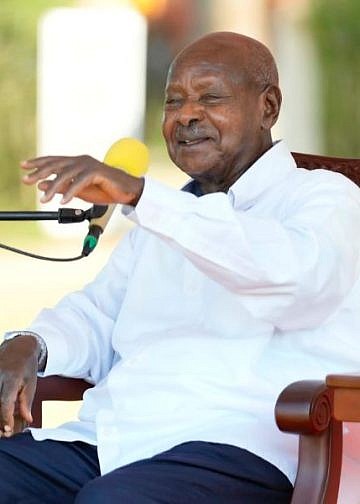











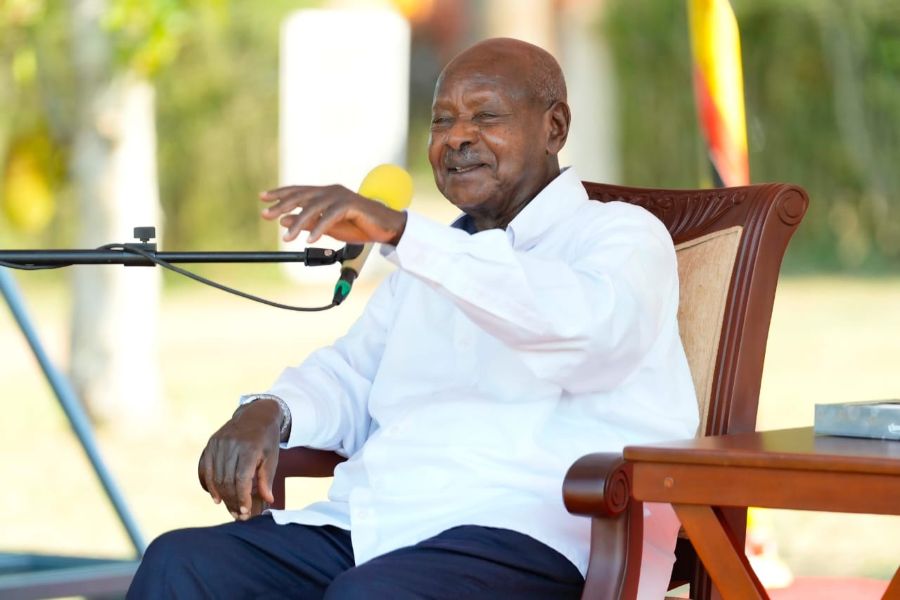
President Yoweri Museveni has linked Uganda’s decision to change the way it procures petroleum products to an alert he received from the late Kenyan politician Cyrus Jirongo about the use of middlemen in the country’s fuel imports.
Museveni said Jirongo informed him around 2019 that Uganda was buying petroleum products through Kenyan intermediaries, prompting him to direct the then Energy Minister, Irene Muloni, to address the matter.
“It was a Kenyan Senator called Jirongo who told me this around 2019. I immediately tasked the then Minister Irene Muloni to sort out that mess,” Museveni said.
The President said the issue was not resolved immediately, but Uganda eventually changed its procurement approach in 2023 after establishing a relationship with Vitol, a global energy and commodities company.
“Nevertheless, nothing happened, until 2023 when we linked up with a group known as Vitol that has refineries in different parts of the World and are also bulk suppliers,” Museveni said.
According to the President, the new arrangement significantly reduced the prices Uganda paid for petroleum products.
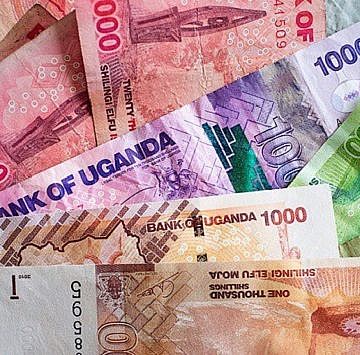
He said the price of diesel under the earlier arrangement stood at US$118 per metric tonne, compared with US$83 under the new agreement.
For petrol, Museveni cited a reduction from US$97.50 to US$61.50 per metric tonne, while aviation fuel fell from US$114.25 to US$79.25.
Museveni said the change was part of efforts to eliminate unnecessary layers in Uganda’s fuel procurement chain and secure petroleum products at more competitive prices.
The President made the remarks while explaining Uganda’s evolving petroleum supply arrangements and its cooperation with Kenya.
He credited Kenyan President William Ruto with helping Uganda secure access to Kenya’s petroleum infrastructure despite what he described as resistance from some actors in the country.
“I want to thank H.E Ruto because he prevailed over some actors in Kenya who were trying to resist,” Museveni said.
He said the Kenyan government subsequently allowed Uganda to pump petroleum products through the Kenya oil pipeline, while Uganda acquired a 20.15% shareholding in the pipeline company.
Uganda’s move towards direct petroleum procurement followed a government decision in 2023 to strengthen the role of the Uganda National Oil Company (UNOC) in importing and supplying petroleum products.
The new arrangement was intended to give the government greater control over fuel imports and reduce costs associated with intermediary arrangements.
UNOC subsequently entered into a supply agreement with Vitol Bahrain. The company has also been involved in securing access to Kenya’s pipeline and storage infrastructure, which remains critical to Uganda because most of the country’s imported petroleum products enter through the Port of Mombasa.
Museveni’s latest remarks add a personal account to the history of Uganda’s shift in fuel procurement, identifying Jirongo as the person who first brought the issue of Kenyan middlemen to his attention.
Jirongo, a former Kenyan politician who served as a Member of Parliament and Cabinet minister, died in December 2025.
Museveni said the change in procurement was ultimately intended to ensure that Uganda benefits more directly from the large volumes of petroleum products it imports each year.