











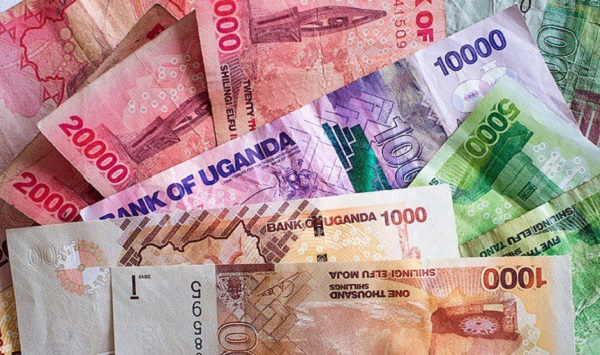
The Ugandan shilling depreciated by 0.7% against the US dollar in August 2026, as increased demand for foreign exchange from the energy and manufacturing sectors put pressure on the local currency.
According to the Ministry of Finance, Planning and Economic Development’s Performance of the Economy Report for August 2026, the shilling weakened from an average of Shs3,704.51 per US dollar in July to Shs3,730.25 in August.
The Ministry attributed the depreciation to increased foreign-exchange demand from the energy and manufacturing sectors, which outweighed inflows from commodity exports, non-governmental organisations and remittances.
The movement in the exchange rate came amid continued improvement in economic activity and business sentiment.
The Ministry said high-frequency indicators of economic activity remained above their respective thresholds, reflecting continued improvement in economic activity and business perceptions.
“The performance of these indicators points to an improvement in private sector business conditions and continued optimism regarding economic activity in the coming months,” the Ministry said.
The Purchasing Managers’ Index (PMI) stood at 55.0 in August, while the Business Tendency Index (BTI) increased to 59.6, up from 56.1 in July.
Annual headline inflation also edged up slightly, from 4.0% in July to 4.1% in August, mainly due to higher prices for selected food crops and core goods.
However, inflation for energy, fuel and utilities eased from 14.9% to 14.3% during the month.
Meanwhile, Uganda’s merchandise exports continued to perform strongly, increasing by 10.1% year-on-year from US$1.27 billion (about Shs4.75 trillion) in July 2025 to US$1.40 billion (about Shs5.23 trillion) in July 2026.
The Ministry said the increase in export earnings was mainly driven by higher receipts from gold, maize, flowers, oil re-exports, beer, cocoa beans, cement and electricity, among other commodities.
The August economic performance therefore reflected continued activity in the private sector and stronger export earnings, although the shilling remained under pressure from increased demand for foreign exchange, particularly from the energy and manufacturing sectors.