



President Museveni has pledged to boost the production of maize, cassava and soya to support growing investments in Uganda’s animal feed industry, as the country seeks to strengthen agricultural value addition and attract more foreign investment.
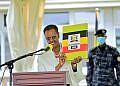
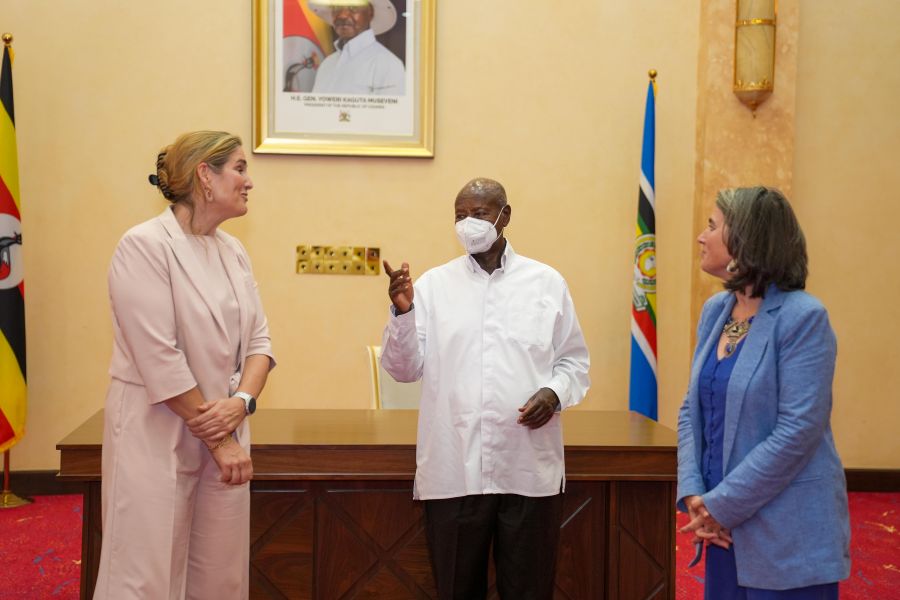
The President made the remarks on Tuesday during a meeting with Netherlands Ambassador to Uganda, Frederieke Quispel, at State House Entebbe.
The discussions focused on agriculture, animal feed production, fish farming and broader economic cooperation between Uganda and the Netherlands, one of Uganda’s leading foreign investors.
A key issue raised during the meeting was the growing demand for agricultural raw materials needed by Dutch-backed animal feed manufacturers operating in Uganda, including the De Heus Fish Feed Factory in Jinja.
Museveni said government would work to increase production of key crops required by the sector.
“We shall now produce more maize and cassava,” the President said.
He revealed plans to convene a national conference of maize growers to discuss strategies for increasing output and meeting rising industrial demand.
“I am going to convene a conference of maize growers,” he added.
The President also proposed the removal of taxes on animal feeds produced locally, arguing that such a move would support domestic manufacturers and encourage further investment in the sector.
On environmental conservation, Museveni said government is promoting fish farming as an alternative livelihood to reduce human activity in wetlands.
“I want you to do fish farming as a strategy to get the locals out of the wetlands. I want to get those rice growers out of the wetlands,” he said.
Quispel described Uganda as one of the most rewarding diplomatic assignments of her career and reaffirmed the Netherlands’ commitment to deepening economic cooperation with Uganda.
“This is the best job I have had in my entire career,” she said.
The ambassador also conveyed congratulatory messages from the King of the Netherlands and noted that Dutch investors continue to view Uganda as a strategic investment destination.
According to Quispel, approximately 60 Dutch companies are currently operating in Uganda, making the Netherlands one of the country’s largest sources of foreign direct investment.
“We are your largest foreign investor and we are honored with you opening up those factories in animal feeds,” she said.
However, she noted that animal feed manufacturers continue to face challenges sourcing sufficient raw materials locally, forcing some firms to import commodities such as soya, maize and cassava from neighboring countries.
“Those factories have difficulty in finding the raw materials and are forced to import some soya from Zambia, as well as maize and cassava. We work with smallholder farmers but the supply is still not enough,” Quispel said.
She added that Dutch investors are prepared to support agricultural cooperatives to help increase production and strengthen supply chains.
“Our people are willing to invest in these cooperatives. There is a lot of demand for these raw materials for feed,” she said.
The meeting underscored growing cooperation between Uganda and the Netherlands in agriculture and agro-industrialization, with both sides expressing optimism about expanding trade and investment opportunities.