








Lands Minister Judith Nabakooba has called on private real estate developers to take a leading role in addressing Uganda’s estimated 2.4 million-unit housing deficit.
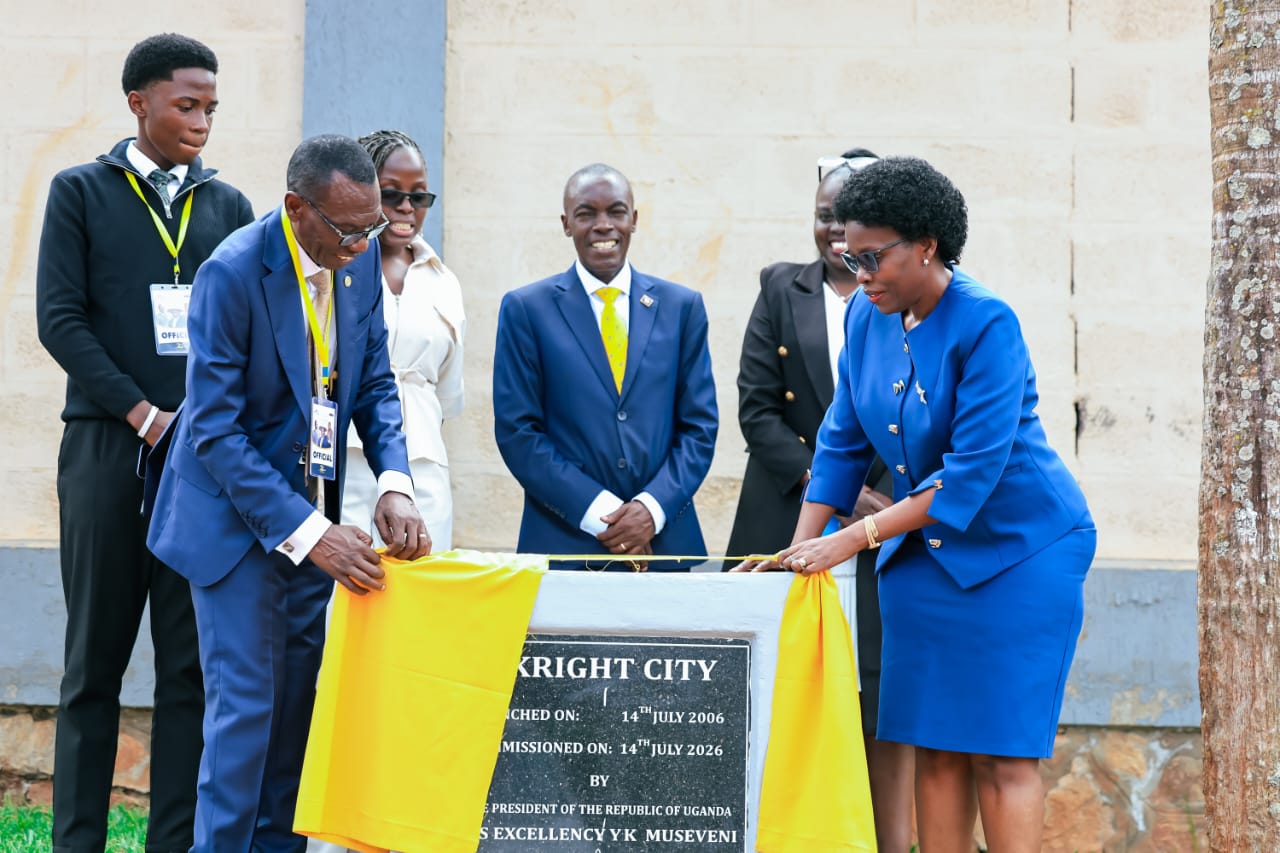
Speaking during the 20th anniversary celebrations of Akright City, Nabakooba said the growing demand for quality housing presents an opportunity for developers to invest in planned urban communities that can support Uganda’s economic growth.
Representing President Museveni at the event, Nabakooba described Akright City as an example of how private investment can contribute to organised urban development.
“Akright City is an example of 20 years of consistent performance and planned housing that has transformed the way urban development can be undertaken in Uganda,” Nabakooba said.
She said Uganda’s expanding middle class and rising incomes are creating demand for modern residential areas, urging developers to invest in housing projects that match the country’s changing needs.
“Uganda’s growing economy presents a big opportunity for developers to create modern neighbourhoods that will transform our towns and cities,” she said.
Nabakooba said housing is a key sector that supports other areas of the economy, including construction, manufacturing and job creation.
She noted that increased local production of construction materials such as steel, ceramics and tiles has created a stronger foundation for the housing industry.

The minister also encouraged low-income earners to form housing cooperatives and SACCOs as a way of improving access to affordable homes.
“If low-income earners can organise themselves into SACCOs and housing cooperatives, it is another area where government can invest to grow our economy and address the housing deficit,” she said.
Nabakooba further called for better planning to protect land and property investments, warning that continued subdivision of land through inheritance could affect future developments.
She urged Ugandans to consider family companies as a way of preserving property assets for future generations.
The minister also challenged developers to embrace sustainable housing designs that can withstand climate challenges such as floods and extreme weather.
“The future of Uganda is housing as a fundamental right, and also an investment,” Nabakooba said, calling for stronger partnerships between government, investors and communities to expand access to decent housing.
She noted that increased investment in planned housing projects will help address Uganda’s growing housing shortage driven by urbanisation and economic growth.