








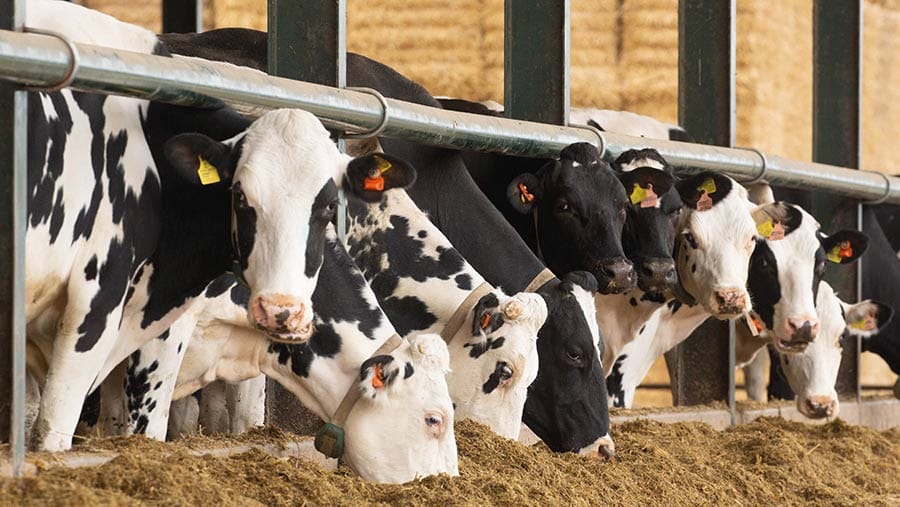
The National Agricultural Research Organisation (NARO) is set to import high-yielding dairy cattle from Kenya as part of a comprehensive initiative to improve milk production, increase farmer incomes, and strengthen the national dairy industry.
Speaking at the Mbarara Zonal Agriculture Research and Development Institute (MBAZARDI), Dr. Halid Kirunda, Director of Research, said the imported cattle are a key component of NARO’s broader dairy breeding programme.
“We are setting up a composite breeding centre that will serve as the foundation for producing stabilised breeds suited to different regions of Uganda,” Dr. Kirunda explained.
A nine-member committee, including experts from NAGRIC, Heifer International, SNV, farmers, breeders, geneticists, and economists, has been formed to guide the initiative.
The programme aims to crossbreed East African short-horned Zebu, Friesians, Jerseys, Gansu, and Ayrshire cattle with indigenous breeds such as Ankole long-horned and Nganda cattle.
The goal is to create resilient breeds capable of thriving in diverse agro-ecological zones, including Karamoja and Buganda.
The imported animals, which are in-calf between three and seven months, are expected to produce 25–30 litres of milk daily, with some capable of yielding up to 45–50 litres.
“By the end of seven months, we expect to have over 200 cattle on site,” Dr. Kirunda noted.
Experts visited ten pedigree farms in Kenya to study long-term breeding records and select the most suitable cattle for Uganda.
“We are bringing in four key breeds—Friesians, Jerseys, Ganze, and Ayrshire—and only awaiting completion of the infrastructure before the cattle arrive next week,” Dr. Kirunda added.
In tandem with the cattle import, NARO has officially registered its Anti-Tick Vaccine, NAROVAC, which underwent rigorous testing, including concept validation, on-station clinical trials with 75% efficacy, and confined field trials at MBAZARDI, Kiburara, Isimba prison farms, Maruzi, and Mbwizardi in Karamoja.
The results showed an integrated 97% efficacy and effectiveness rate.
“The vaccine was also subjected to safety assessments, and no adverse effects were recorded,” Dr. Kirunda said.
The rollout is planned for December, starting with areas that have the highest tick prevalence, pending approval from President Yoweri Museveni.
By combining the introduction of high-yielding cattle with the anti-tick vaccine, NARO expects to significantly improve milk production, protect farmers from livestock losses, and enhance national food security, ushering in a new era for Uganda’s dairy sector.