











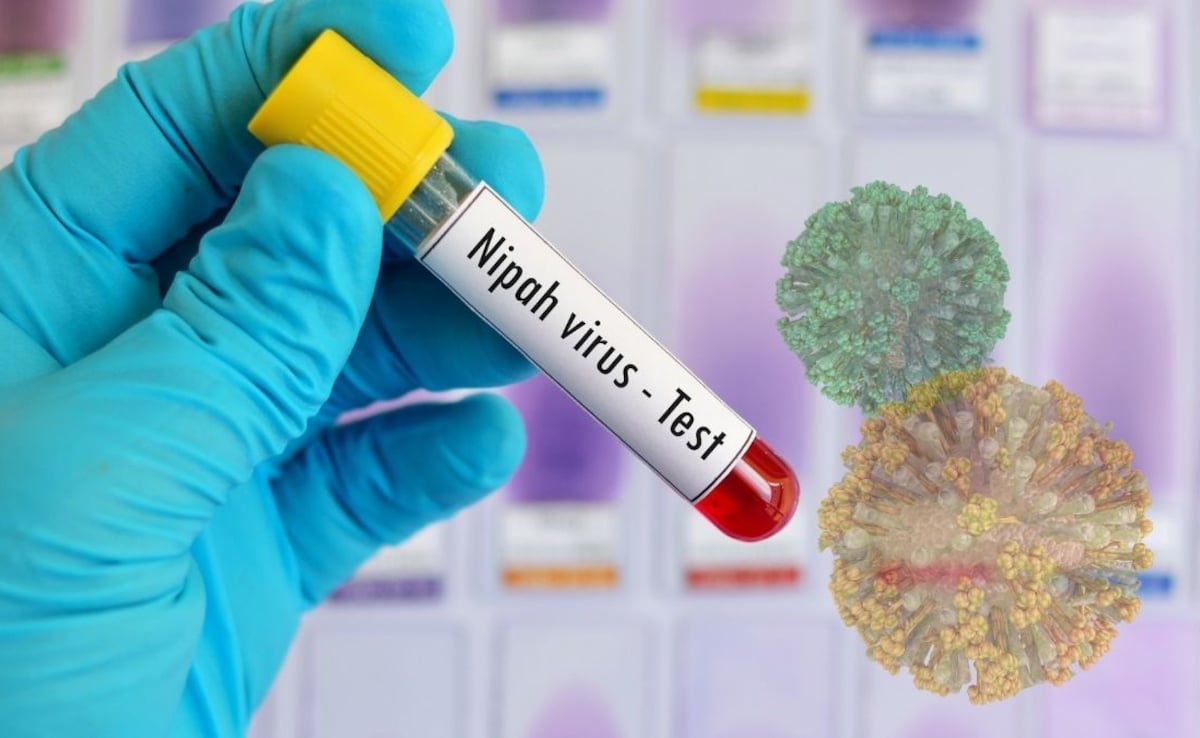
The Ministry of Health has dismissed reports circulating on social media claiming that Uganda is facing an outbreak of the deadly Nipah virus, saying the information is false.
In a statement released on Tuesday, the ministry said no case of Nipah virus has been recorded anywhere in the country.
Dr. Charles Olaro, the Director General of Health Services, said Uganda’s disease surveillance systems are fully active and have not detected anything linked to Nipah.
“Uganda has not registered any case or outbreak of Nipah virus. Our surveillance systems, community reporting structures and national laboratories are working well, and so far, no alerts, samples or test results suggestive of Nipah virus have been received,” Dr. Olaro said.
He warned the public against sharing unverified videos and messages on social media, saying misinformation can cause unnecessary fear and panic.
“We urge Ugandans to disregard the circulating video and avoid spreading unverified information because it can create fear and undermine public health efforts,” he added.
The Ministry said it continues to work with local and international partners to monitor and respond to dangerous diseases and will always update the public through its official channels if any real health threat is detected.
What is Nipah Virus?
Nipah virus is a rare but serious disease that can spread from animals to humans and also between people.
The virus is mainly carried by fruit bats, also known as flying foxes. People can get infected by: Eating fruits or drinks contaminated by bat saliva, urine, or droppings, touching infected animals and having close contact with an infected person
Common symptoms include: Fever, headache, muscle pain, vomiting and sore throat.
In severe cases, it can cause confusion, drowsiness, and brain inflammation.
How to protect yourself
Health experts advise people to avoid eating fruits that look bitten or contaminated by bats and to avoid drinking raw fruit juices that may have been exposed to animals.