










More than 47,000 residents in the Kigezi sub-region have benefited from a 12-day free medical camp organized by the Uganda Peoples’ Defence Forces (UPDF), surpassing the initial target of 35,000 patients.
The outreach was conducted as part of activities marking the 45th Tarehe Sita anniversary, which will be commemorated in February next year.
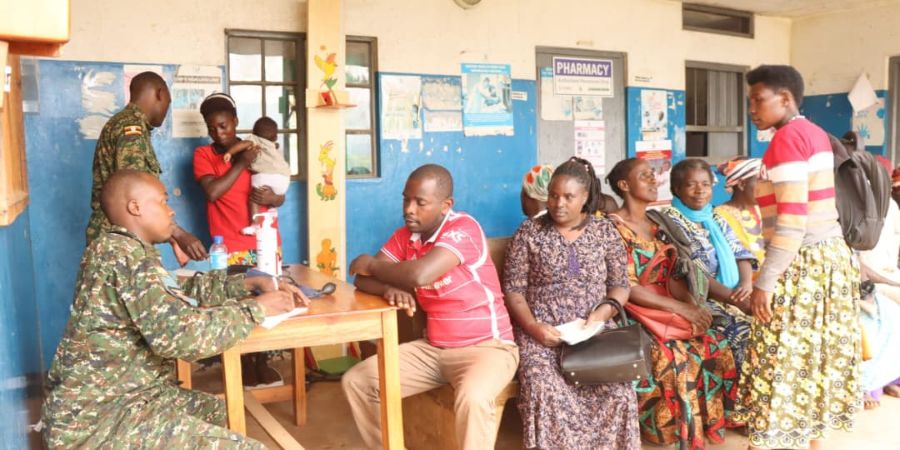
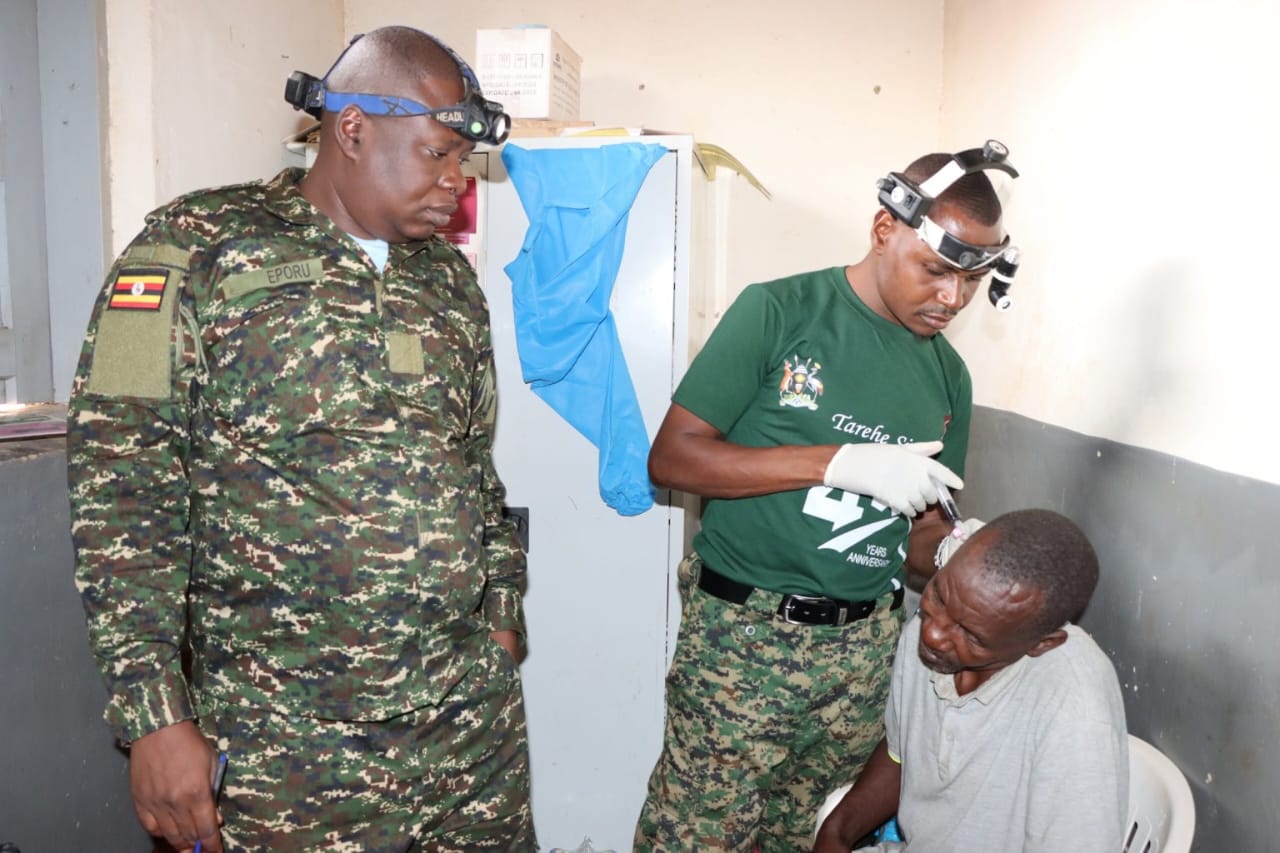
Six UPDF medical teams were deployed across the districts of Kabale, Rukiga, Kisoro, Rukungiri, Kanungu, and Rubanda. The teams provided a wide range of services, including dental and eye care, HIV and tuberculosis testing, cervical cancer screening, maternal health services, and vector control.
The combination of mobile and static clinics enabled thousands of residents to access specialized healthcare services that are often unavailable in rural settings.
Colonel Dr. Francis Xavier Bakehena, Head of Public Health in the UPDF and Coordinator of the Tarehe Sita health activities, expressed satisfaction with the turnout.
“We expected to reach about 35,000 people, but we exceeded that figure. We have recorded nearly 47,000 patients,” he said.
The medical camp also conducted 185 surgical procedures, including hernia repairs and the removal of swellings such as lipomas. Maternal health services included 192 normal deliveries and 48 Caesarean sections, all of which were successfully performed.
Respiratory tract infections were among the most commonly treated conditions, reflecting the cold climate in the region. Malaria cases were relatively low and were mainly reported in the North Kigezi districts of Kanungu and Rukungiri.
Hypertension was widely observed among both young and older residents, highlighting a growing public health concern.
“High blood pressure is alarmingly common, not only among the elderly but also among younger people. It is a debilitating condition that requires urgent attention,” Col. Dr. Bakehena noted.
Cervical cancer screening recorded an approximately eight percent positivity rate.
“This is a preventable and treatable condition. Health services in Kigezi must strengthen screening and awareness, particularly among women,” he emphasized, adding that affected patients were treated and referred for further specialized care.
Beyond clinical services, the UPDF conducted vector control in more than 300 households and public facilities, including schools and health centres. Health education was reinforced through film vans supported by the Ministry of Health.
In addition, the UPDF will donate 155 mattresses, delivery beds, and mama kits to selected health facilities in the region, with a focus on maternity wards.
The Kabale District Health Officer, Dr. Gilbert Mateeka, commended the collaboration between the UPDF and civilian health workers.
“It has been a valuable learning experience for our health workers, who have worked alongside UPDF medical experts. The partnership has offered a new perspective on service delivery,” he said.
A joint follow-up mechanism between the UPDF and the district health department has been established to support patients requiring continued care, particularly those who underwent surgical procedures. UPDF medical teams are expected to return around December 29 for patient reviews and handover of projects.
Lt Col. Ezra Amuthaire, Head of Medical Logistics, praised the operational support provided during the camp.
“We were able to adequately support all areas with medicines, equipment, and logistics, thanks to the leadership of the UPDF,” he said.
Women accounted for approximately 75 percent of the patients treated, with the highest turnout recorded among residents aged 40 years and above. As the teams scale down operations, health officials and community leaders say the impact of the medical camp will be long-lasting, strengthening health outcomes and collaboration between the UPDF and civilian health services.
The UPDF medical camp attended to more than 47,000 people, conducted 671 cervical cancer screenings, 351 tuberculosis tests, and 3,247 HIV tests. Maternal services included 192 normal deliveries and 48 Caesarean sections. Eye care services reached 4,000 patients, with 2,565 pairs of glasses distributed, while 2,576 dental procedures were performed. Vector control activities were carried out in 335 locations.