









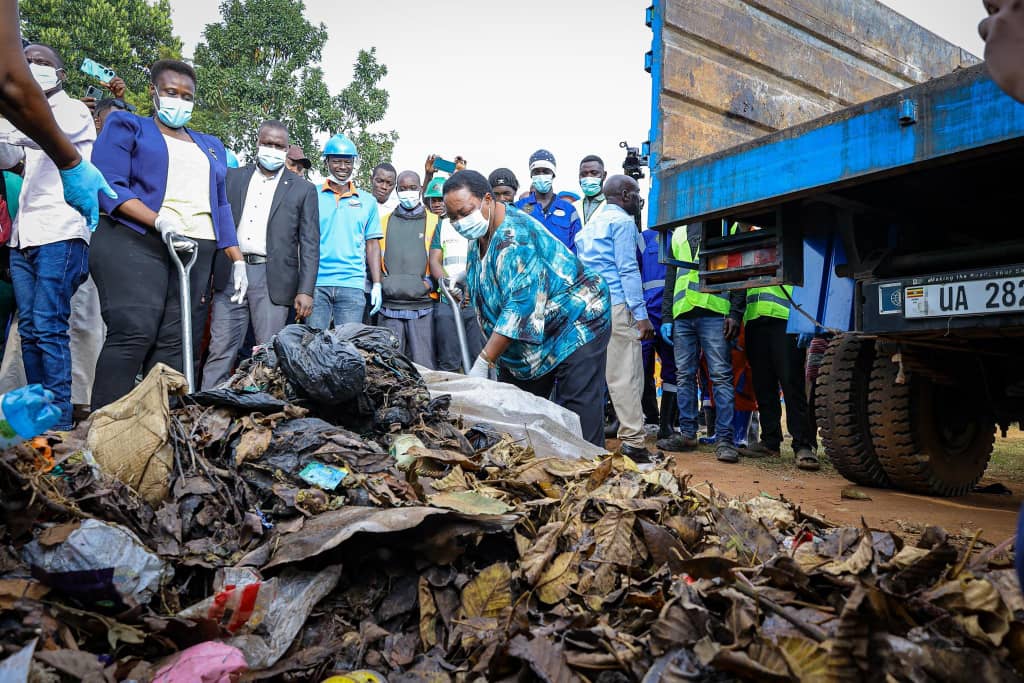
Prime Minister Robinah Nabbanja has urged Ugandans to change their attitude towards waste, saying rubbish can be turned into a valuable resource if properly sorted and managed.
Nabbanja said waste should not simply be viewed as something to be discarded, but as material that can create economic and environmental opportunities through recycling and recovery.
“Let’s change the way we think about waste. It’s not simply rubbish; much of it is a resource,” Nabbanja said.
She made the remarks on Saturday while presiding over the second National Cleaning Day at Kyaliwajjala UMEA Primary School in Kira, Wakiso District.
The Prime Minister encouraged households, businesses and communities to sort waste at the source to make it easier to recycle and recover useful materials.
She said proper waste management can not only keep communities clean but also enable Ugandans to derive value from materials that are often thrown away.
Nabbanja also warned against dumping waste in drainage channels, saying the practice contributes to blocked waterways and increases the risk of flooding.
She called on Ugandans to make environmental cleanliness part of their everyday lives instead of treating it as an activity reserved for National Cleaning Day.
“Let’s keep our homes, markets and water channels clean. It’s everyone’s responsibility to make sure that their environment is clean,” she said.
As part of efforts to improve waste collection at the local level, Nabbanja donated a tuk-tuk waste collection vehicle to Namugongo Division.
The vehicle is expected to support waste collection and management in the division while complementing community efforts to keep public spaces clean.
National Cleaning Day is observed on the last Saturday of every month and brings together government leaders, local authorities and communities to clean their surroundings and promote responsible waste management.
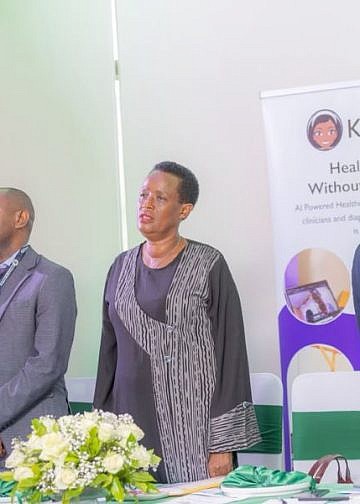
The Kyaliwajjala exercise brought together the Vice President, the Second Deputy Prime Minister, Permanent Secretaries, ministers, Wakiso District officials, municipal and division leaders, residents and other stakeholders.
Nabbanja urged Ugandans to take personal responsibility for their surroundings by properly storing, sorting and disposing of waste and keeping drainage channels free of rubbish.
She stressed that maintaining a clean environment should be a continuous effort, with communities taking advantage of waste as a potential resource rather than treating it as useless rubbish.