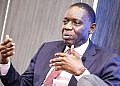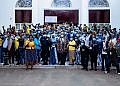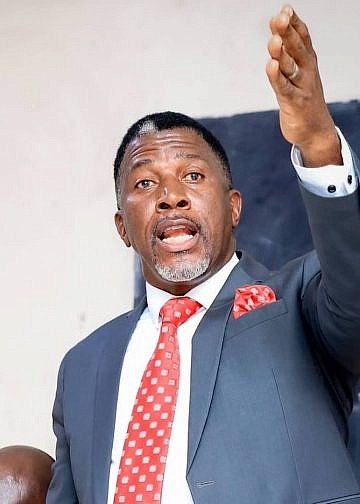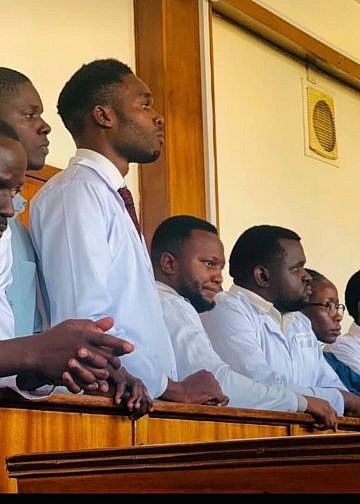






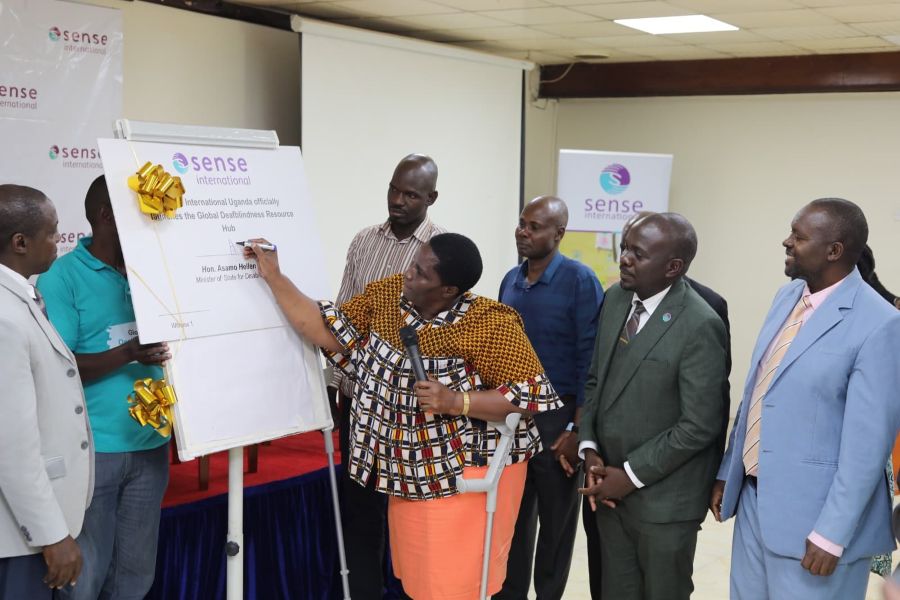
In an effort to promote accessibility and inclusion for individuals with deafblindness, Sense International Uganda has officially launched the Global Deafblindness Resource Hub, an innovative online platform designed to provide resources, information, and support for people living with deafblindness and those who care for them.
The launch event, held on Friday at Hotel Africana, brought together key stakeholders, including officials from the Ministry of Education, Ministry of Gender, Labour and Social Development, civil society organizations, and development partners.
The Global Deafblindness Resource Hub is the first of its kind in Uganda, offering a centralized digital space with downloadable and accessible materials tailored for learners, caregivers, educators, and policymakers.
Hellen Grace Asamo, Minister of State for Disability Affairs, officiated the launch and described the platform as a major milestone for the disability sector in Uganda and globally.
“The Global Deafblindness Resource Hub is a milestone not only for the disability sector in Uganda, but also for the global community working towards inclusion, dignity, and equity of persons with disabilities,” said Hon. Asamo.
She emphasized that individuals with deafblindness face numerous barriers, including limited access to education, communication, and employment. However, with proper support and resources, they can lead full and independent lives.
“This platform brings together global best practices, local experiences, and practical tools. It is accessible, inclusive, and designed with the input of those it seeks to serve,” she added, encouraging all stakeholders to actively utilize and promote the hub.
Edward Otim, Regional Director for East Africa at Sense International, explained the technical structure and purpose of the platform.
“We are here today to launch a digital, not physical, deafblindness resource hub. It’s online, and while connectivity is needed, all the content can be downloaded and accessed offline,” he said.
He highlighted tools like the orbit reader a digital device that allows users with visual impairments to access downloaded materials from the hub.
Otim stressed the platform is tailored for people with different levels of deafblindness, including both partial and total vision or hearing impairments.
“This is a powerful tool, not just for individuals with deafblindness, but also for their parents, caregivers, teachers, healthcare workers, and policymakers,” he said. “It’s free to access and was developed after extensive consultations from primary beneficiaries to policy level stakeholders.”
Otim also noted a partnership with the MTN Foundation to install digital hubs across Uganda where individuals can access the platform using free internet.
Dr. Abdul, a board member of Sense International and lecturer at Kyambogo University, shared his personal story as someone who was born blind.
“Growing up, access to information was almost non-existent and inclusion was a foreign concept,” he said. “This global digital resource hub comes to solve some of those problems.”
Dr. Abdul encouraged a wide range of users families, teachers, healthcare providers, and community leaders to make use of the hub.
“When you open doors of accessibility, you are also opening doors of opportunity. This hub empowers not just deafblind individuals, but entire communities,” he added.
Lucy Akech, also speaking at the event, highlighted the symbolic significance of launching the hub on Helen Keller Day, a global celebration of one of the most influential figures in the deafblind community.
“Helen Keller remains an enduring symbol of resilience and advocacy. Her journey from isolation to global influence is a reminder of what is possible when we invest in inclusion,” Akech said.
She called the hub a “quality tribute” to Keller’s legacy and a tool that will help transform lives through education and empowerment.
Charles Mugisa, Principal Education Officer in charge of Special Needs in the Ministry of Education, emphasized the government’s support.
“This hub is not just a digital improvement, but a major step toward inclusivity,” he said. “We urge all stakeholders to work toward popularizing it.”
With the launch of the Global Deafblindness Resource Hub, Sense International Uganda has set a new standard in digital inclusion, empowering some of the most marginalized individuals in society.
The platform is expected to play a critical role in advancing inclusive education, healthcare, and social participation for people with deafblindness in Uganda and beyond.